
Last updated November 17, 2026
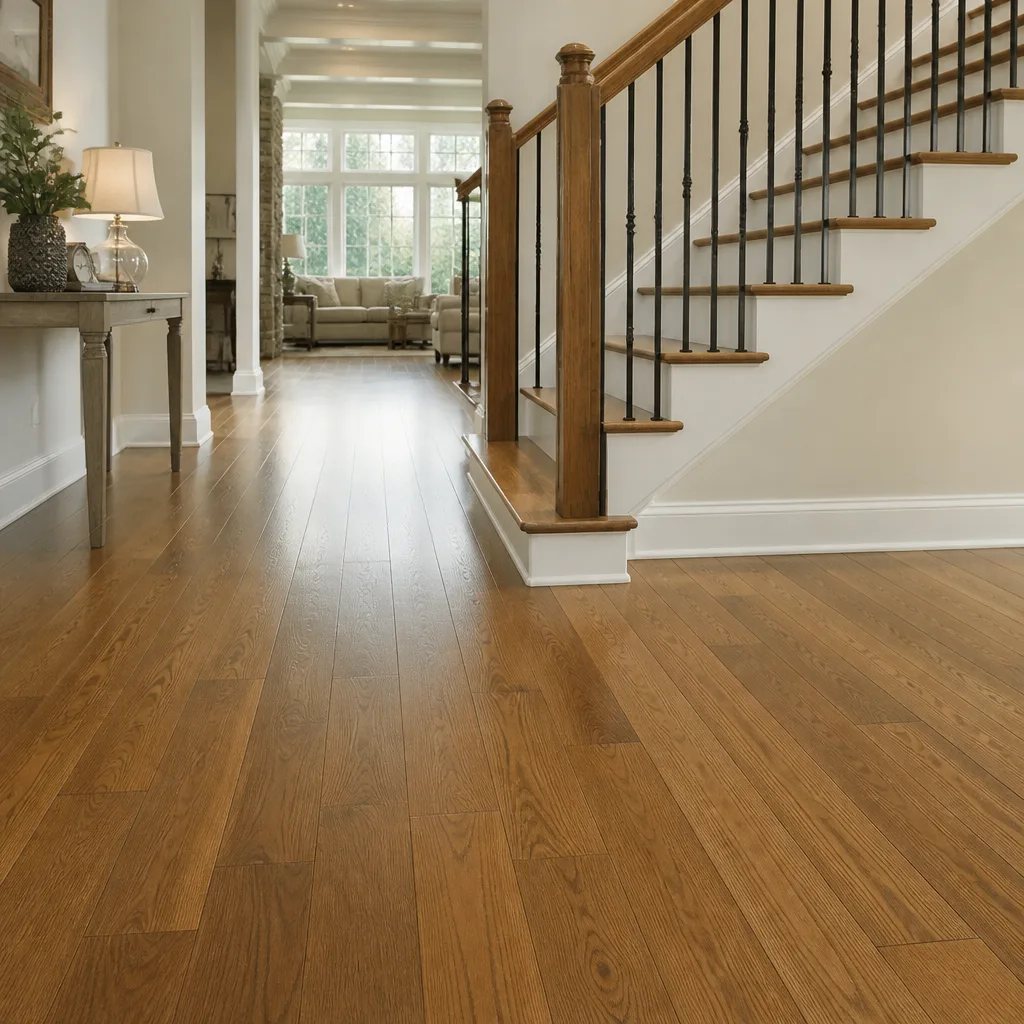
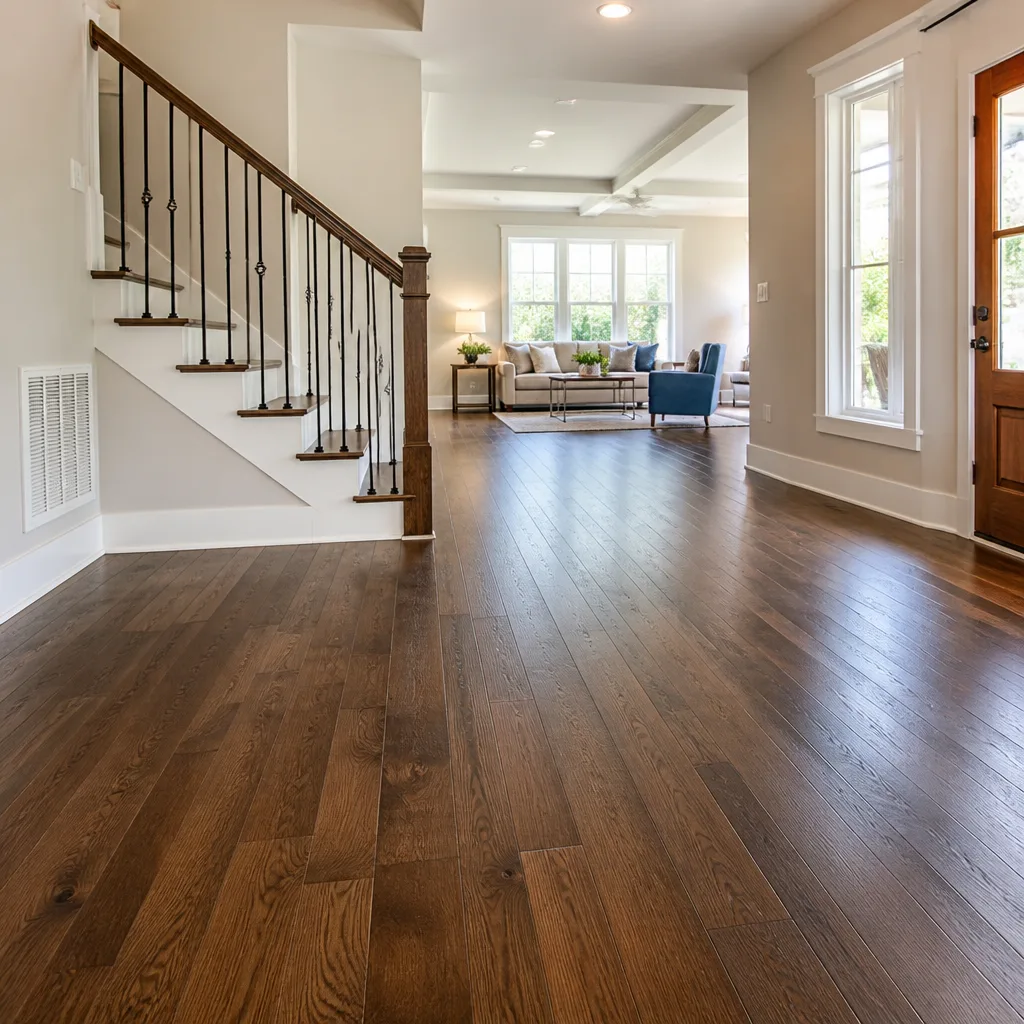 Hardwood
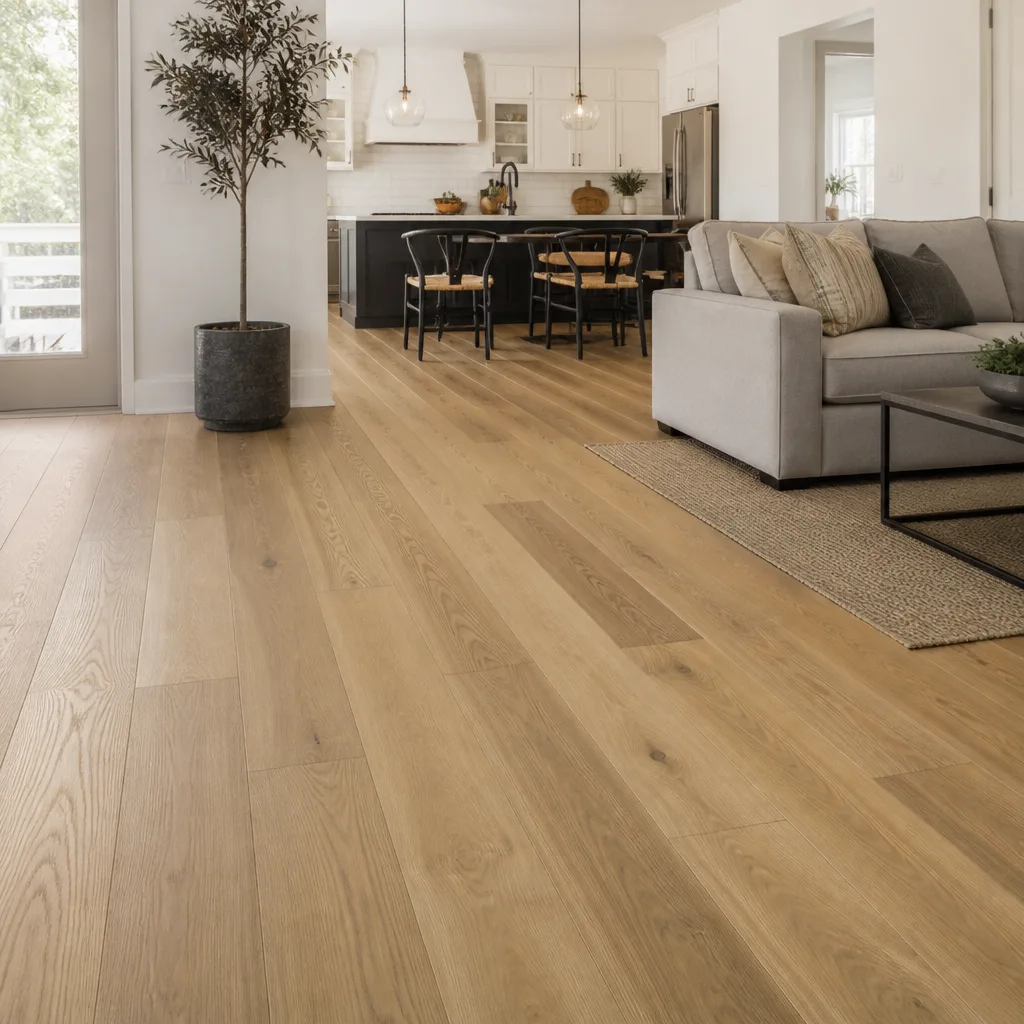 Engineered hardwood
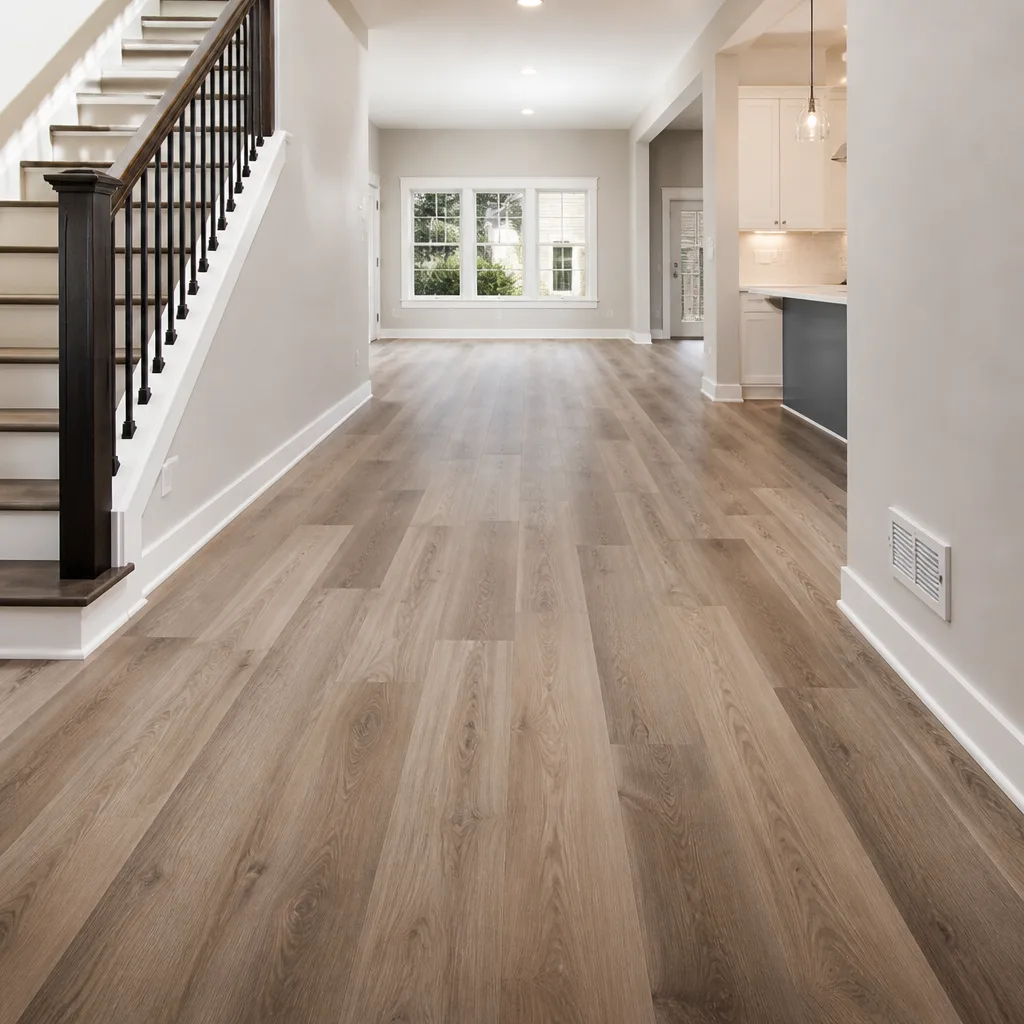 Luxury vinyl plank
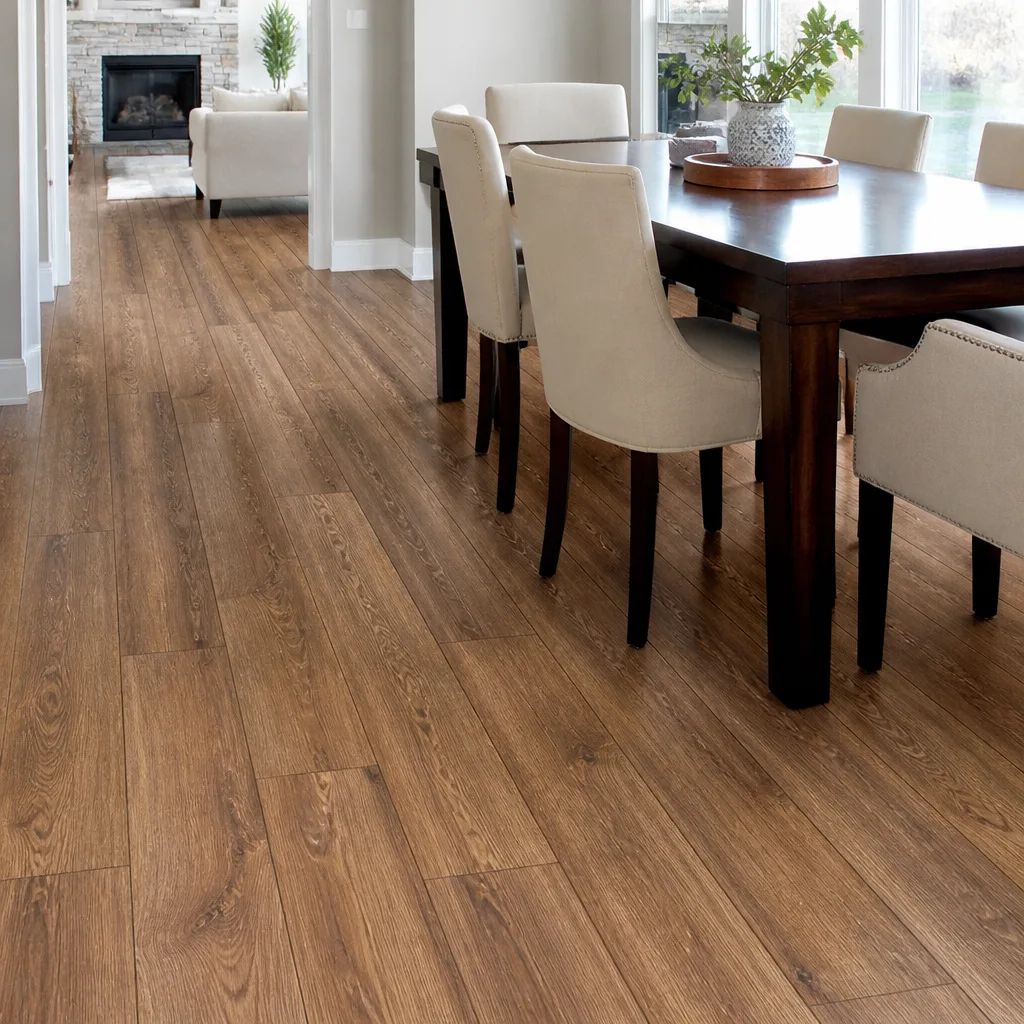
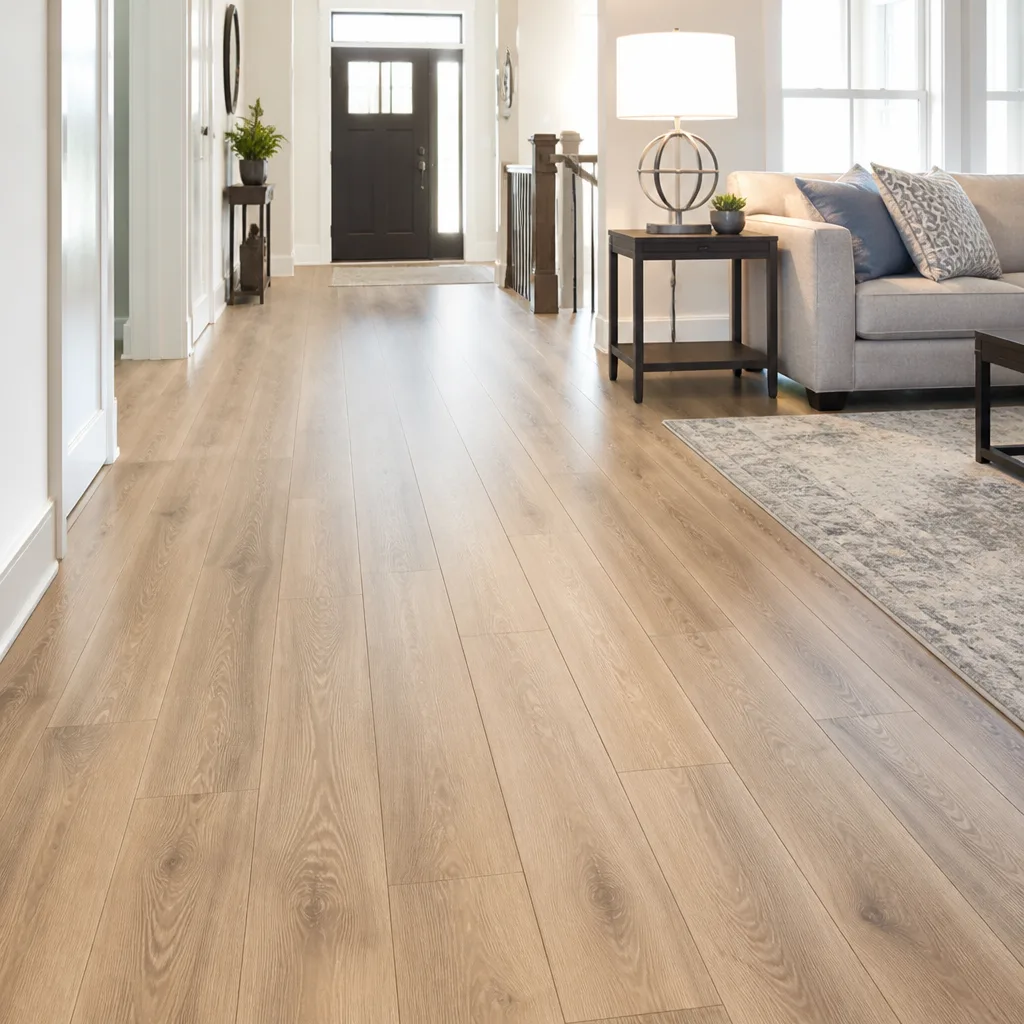 Laminate
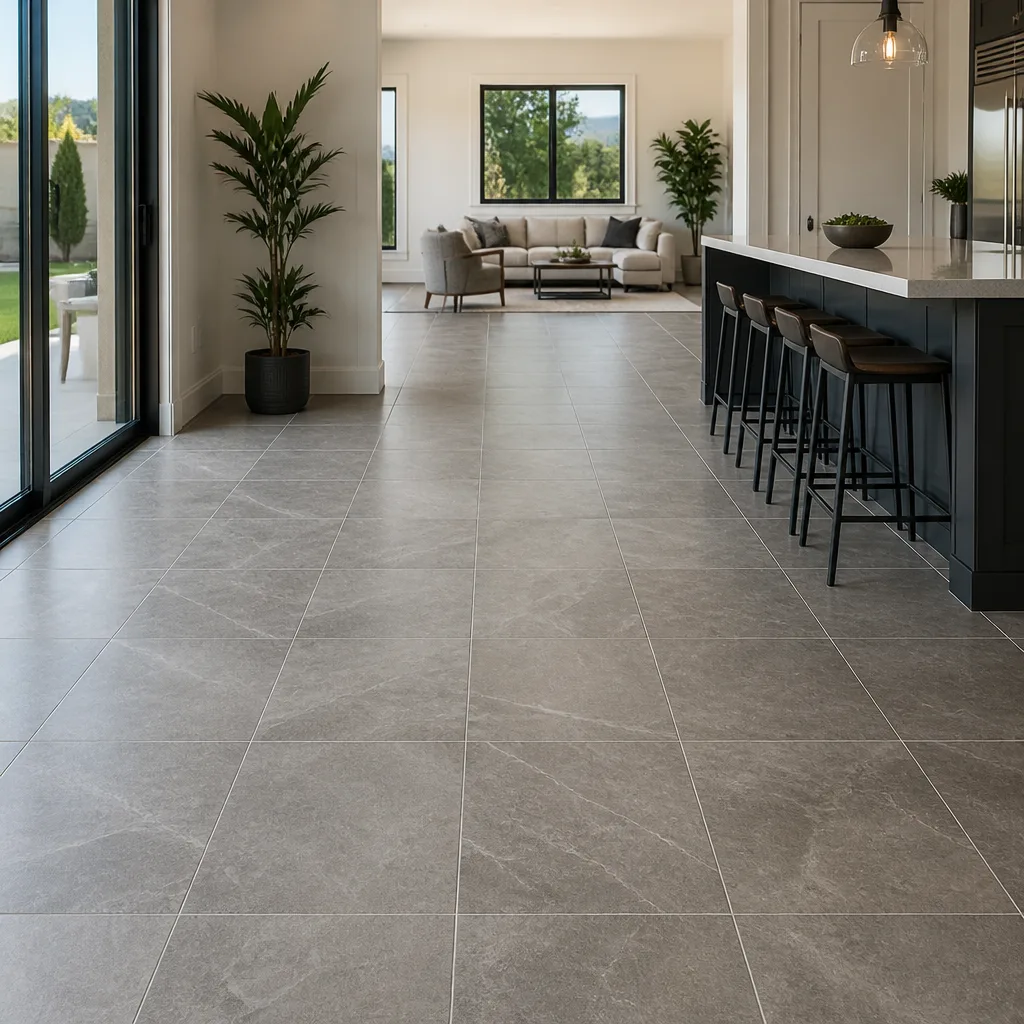 Porcelain tile
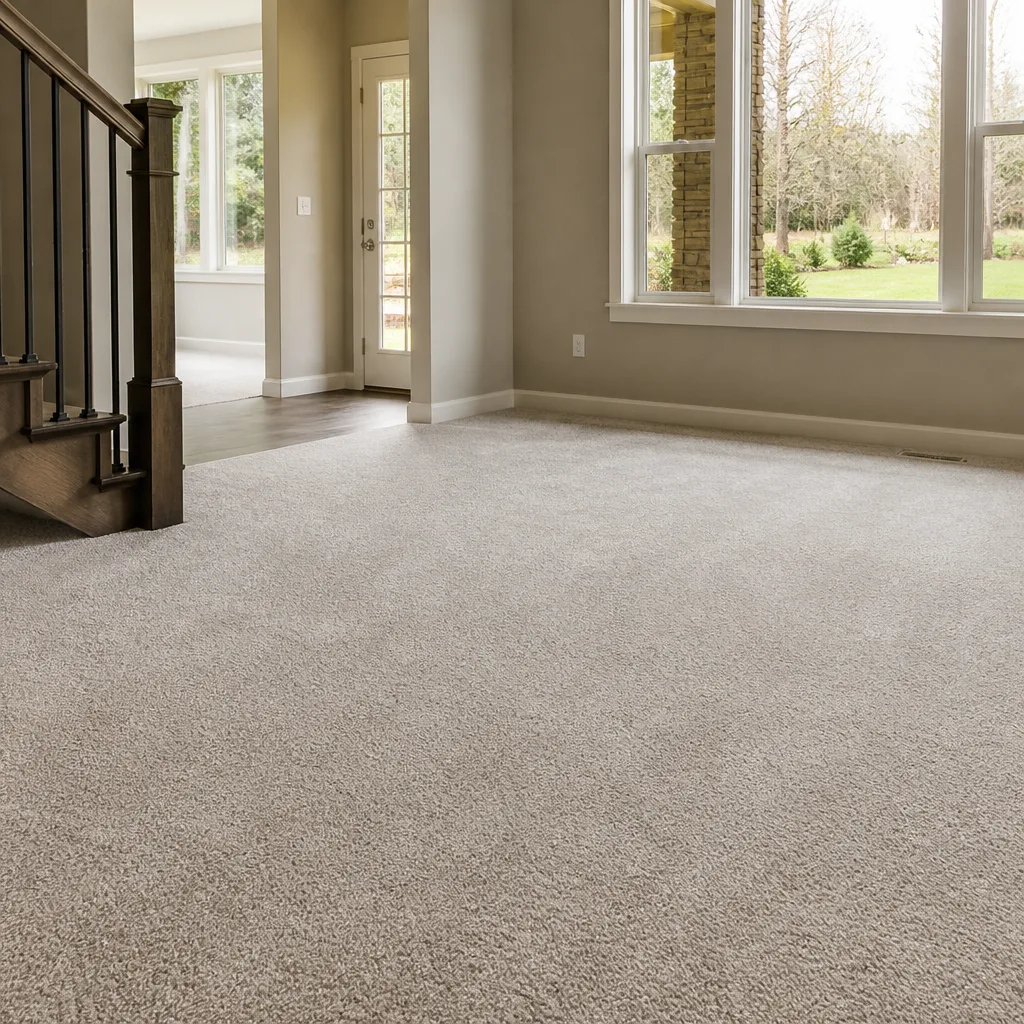 Carpet
 Shaw
 Mohawk
 COREtec
 Pergo
Free in-home measure and written estimate: Shaw, Mohawk, COREtec and Pergo lines compared on your own rooms, with carpet, tile, vinyl plank, laminate and hardwood laid out side by side
Get your free estimateHow to Care for New Flooring: Hardwood, Vinyl, Laminate, Tile and Carpet
Most flooring care advice is written for a climate that isn’t yours. A cleaner that’s safe on your luxury vinyl in a manufacturer’s lab test was tested in steady temperature and moderate humidity, not in a Paradise home where the summer sun drives interior temperatures up and the dry air pulls moisture out of every wood floor in the valley. The grit that comes through your door isn’t ordinary dust either. Caliche fines and windblown sand grind into a finish like fine sandpaper, one footstep at a time. This guide calibrates maintenance to the actual conditions in Paradise, surface by surface, so the floor you just had installed still looks like the floor you chose. We’ll cover desert grit control, UV exposure, the winter humidity drop, and a maintenance calendar built around desert seasons rather than a generic spring-and-fall checklist.
Quick Answer
Care for new flooring in Paradise by matching maintenance to the material: vacuum grit off hard surfaces before it grinds in, damp-mop with a pH-neutral cleaner, and never wet-mop vinyl, laminate, or hardwood. Keep indoor humidity steady during the dry winter months, rotate rugs and pull back sun exposure to slow UV fade, and use a two-zone entry mat system to trap desert dust before it reaches the finish. Carpet needs high-traffic vacuuming and periodic deep cleaning; tile wants grout attention more than surface scrubbing.
Styles & brands we work with
- Hardwood
- Engineered hardwood
- Luxury vinyl plank
- Laminate
- Porcelain tile
- Carpet
- Shaw
- Mohawk
- COREtec
- Pergo
Table of Contents
- Managing Desert Grit: The Entry Zone Problem
- UV Fading and Sun Exposure in Paradise
- The Winter Humidity Drop and What It Does to Wood
- The Material-by-Material Cleaning Matrix
- Hardwood and Laminate Care
- Vinyl and Tile Care
- Carpet Care
- The Paradise Annual Maintenance Calendar
Managing Desert Grit: The Entry Zone Problem
Ordinary doormats don’t cut it in Paradise. The dust that settles on driveways and patios here is finer and more abrasive than typical soil, and a single woven mat at the front door stops only a fraction of it. The rest rides in on shoes and gets ground into your new finish with every step, acting like a slow polishing wheel that dulls the surface long before wear alone would.
The fix is a two-zone entry setup. Think of it as a sequence, with each zone doing a specific job:
- Zone one, outside: a coarse, stiff-bristle mat or a gravel-and-grate style mat that scrapes the bulk of grit and sand off shoes before they cross the threshold.
- Zone two, just inside: a dense microfiber or textured mat that catches the finer dust the outer mat missed.
- A no-shoes habit where practical: the single most effective step for any hard floor, since it removes grit before it ever touches the surface.
- Frequent entry-zone vacuuming: the mats need cleaning too, or they become grit reservoirs that deposit dust right at the door.
In our experience, homeowners who set up the two-zone mat system in Paradise notice a difference in how the finish holds its sheen within weeks. It’s less about any single product and more about interrupting the grit path before it reaches the floor. If you’re planning a bigger entry renovation, consider a hard-surface threshold transition and a dedicated mat recess so grit has somewhere to settle instead of getting walked deeper into the home.
Whole-home projects often combine a tile entry with carpet or wood further in, and coordinating that across surfaces is easier when one company handles every material. Our Paradise Flooring Installation team installs and services the full range, which means the entry zone and the room behind it are planned together rather than patched together.
UV Fading and Sun Exposure in Paradise
Paradise gets an enormous amount of sun, and that has a direct effect on flooring. UV exposure fades stains and dyes over time, and in a high-sun environment the change can be uneven. A rug that stays in one spot for years leaves a bright, unfaded patch beneath it while the surrounding floor darkens or lightens around it. Hardwood, laminate, vinyl, and carpet all react differently, and the timeline depends on the material, the stain or dye, and how much direct sun the room receives.
Rather than promise a specific fade timeline (which depends on too many variables for any installer to guarantee), the practical approach is management:
- Window film or solar screens on the highest-exposure windows cut the UV that reaches your floor. The return on that investment is largely about protecting the finish and preserving color consistency, not just comfort.
- Rug rotation on a schedule. Turn area rugs and move them periodically so the floor beneath them and the floor around them age together rather than one patch staying pristine while the rest shifts.
- Furniture rotation for the same reason. Heavy pieces that sit in one place for years create the same shadow effect as a rug.
- Curtains or blinds on western exposures, which take the strongest afternoon sun in this part of the valley.
When we install a floor, the choice of material matters here. A design-led vinyl like Karndean holds its color differently than a solid hardwood, and a hardwood’s response to sun depends on the species and finish. Our technicians have up to 11 years of experience and can talk through exposure in your specific rooms at the estimate visit, so the material matches the light it will live in.
The Winter Humidity Drop and What It Does to Wood
Paradise winters are dry, and indoor relative humidity can fall low enough to affect wood and laminate floors. Wood is hygroscopic, meaning it takes in and releases moisture with the air around it. When indoor humidity drops, wood can shrink slightly, and that can open gaps at seams, create minor cupping or crowning, or make a floor feel looser underfoot. Laminate, which is a composite with a wood-derived core, responds to swings too.
The goal is stability, not a specific reading. Keep indoor relative humidity in a moderate, steady band through the dry months rather than letting it swing, and size a humidifier to your home’s square footage and how tight the envelope is. A whole-house humidifier on the HVAC system is often the cleanest solution for a larger Paradise home, while a portable unit can work for a single room. The right target depends on the wood species, the finish, and the building, so it’s worth confirming with the estimate rather than guessing.
A few practical notes:
- Watch for seasonal gaps. Small gaps that appear in winter and close in summer are usually a humidity signal, not a defect.
- Don’t overcorrect. Pushing humidity too high in summer invites the opposite problem, swelling and buckling.
- Keep doors and windows consistent. A room that’s opened to dry desert air all day will swing more than an enclosed one.
If you’re comparing materials for a dry climate, hardwood refinishing and a properly acclimated laminate install both benefit from a plan for humidity. Our carpet installation and hardwood work share the same attention to the home’s conditions, because the floor only performs as well as the environment it sits in.
The Material-by-Material Cleaning Matrix
Here’s the practical core: most hard-surface flooring wants a pH-neutral cleaner, a damp (not wet) mop, and frequent dry removal of grit. The differences matter at the edges, so use this as your cleaning reference.
- Hardwood (solid or engineered): pH-neutral wood cleaner, damp mop only, no standing water, no steam. Vacuum or dry-mop grit first. Avoid oil soaps and wax on a modern finish unless the finish specifically calls for them.
- Laminate: pH-neutral cleaner, barely damp mop, never wet. Standing water can seep into seams. Avoid abrasive pads and steam mops.
- Luxury vinyl (including COREtec and Karndean): pH-neutral cleaner, damp mop, no steam, no abrasive scrubbing. Water-resistant products still need spills wiped up rather than left to sit, especially at seams.
- Tile: a pH-neutral or mildly alkaline cleaner for glazed tile, a dedicated grout cleaner for grout lines. Avoid acidic cleaners on certain stone and on grout in general, and avoid harsh acids on glazed surfaces.
- Carpet: vacuum high-traffic areas often, blot spills rather than rub, use a carpet-appropriate spot cleaner, and schedule periodic deep cleaning.
Across all hard surfaces, a pH-neutral cleaner is the safest common denominator. Highly acidic or highly alkaline products can dull finishes, strip sealers, or damage grout over time. If a product’s label doesn’t tell you its pH, test it in an inconspicuous spot first. This is one area where a few minutes of caution at the start saves a lot of finish later.
Materials we install from brands like Mannington, Armstrong, and Daltile all come with their own care recommendations, and those instructions plus your written estimate set the standard for your specific floor. We’re glad to point you to the right cleaner type when we finish a tile flooring installation or any other surface.
Hardwood and Laminate Care
Hardwood and laminate are the two surfaces most sensitive to moisture and grit, so they get the most disciplined routine. For hardwood, the priorities are dry removal first, damp cleaning second, and moisture discipline always. Vacuum or dry-mop to lift grit before you ever touch a mop to the floor; the grit you leave behind is what dulls the finish when you wipe. Use a pH-neutral wood cleaner and a damp mop, then let the floor dry completely before foot traffic. Never steam-clean hardwood, and never let water pool.
Laminate follows a similar logic with one addition: protect the seams. Standing water at a seam can work its way into the core, so wipe spills promptly and keep the mop barely damp. For both materials, felt pads under furniture legs and a strict no-shoes habit in high-traffic rooms go a long way.
Refinishing enters the picture when a hardwood floor has dulled, scratched, or lost its finish rather than failed structurally. Not every floor can be refinished: whether it can depends on the thickness of the wood and its condition, which we check at the estimate visit. When it’s a good candidate, refinishing is a “restore, don’t replace” path that preserves the original wood and often saves money compared with a full replacement. Matching a stain to a sample isn’t guaranteed either; the species and finish determine what’s realistic. This refinishing work is equipment-intensive and skill-dependent, and it’s one of the things that separates a dedicated flooring specialist from a general handyman. If you’re weighing refinishing against new wood, that conversation belongs at the estimate.
Vinyl and Tile Care
Vinyl is forgiving, which is why it’s popular in busy rooms and wet areas, but forgiving isn’t the same as indestructible. Vacuum or sweep grit first, then damp-mop with a pH-neutral cleaner. Avoid steam mops, abrasive pads, and harsh chemicals, which can dull the wear layer. Wipe up spills rather than letting them sit, especially at seams where moisture can work in. Products like COREtec and Karndean hold up well to daily life, but water-resistant still means you deal with standing water and moisture from below; a leak under the floor doesn’t announce itself, so watch for bubbling, lifting, or a soft spot.
Tile is the most durable hard surface, but its weak point is the grout. Surface cleaning is straightforward: sweep and damp-mop with a cleaner suited to the tile. Grout needs more attention, because fine desert dust settles into porous grout lines and, over time, can dull them. A dedicated grout cleaner and a soft brush handle routine cleaning. Avoid acidic cleaners on grout and on natural stone, and avoid harsh acids on glazed tile, which can etch the surface. Sealing grout periodically helps slow staining, but check the product guidance because some grouts are already treated.
For tile installations with professional-grade material like Daltile, the care instructions are specific, and matching a cleaner to the actual tile and grout type prevents the most common damage. In Paradise, where tracked grit is a daily reality, we recommend a quick dry sweep of tiled entries and kitchens most days, with a damp mop weekly.
Carpet Care
Carpet takes a different approach: it wants frequent, thorough vacuuming and prompt spill attention. High-traffic areas and entry paths should be vacuumed often, with a machine that has strong suction and a good beater bar appropriate for the pile. Grit that works into carpet fibers acts like sandpaper on the backing and pile, so regular vacuuming isn’t cosmetic; it’s structural protection. Blot spills with a clean cloth rather than rubbing, which can distort the pile, and use a carpet-appropriate spot cleaner.
Schedule periodic deep cleaning, which the manufacturer’s instructions and your own traffic level will guide. In a home with pets or heavy foot traffic, that interval comes sooner. Keep a doormat system in place, since the same desert grit that scratches a wood floor grinds into carpet backing. If you’re setting up a new room, our carpet installation work pairs with a care plan you can actually keep up with.
Rotate furniture and area rugs where the pile shows it, and lift indented furniture feet periodically. Carpet in a Paradise home with high sun exposure can also fade, so pull back the drapes on west-facing rooms where you can.
The Paradise Annual Maintenance Calendar
Generic spring-and-fall advice misses the desert cycle. Here’s a calendar tied to the actual seasons in Paradise.
- Late winter to early spring (dry season, humidity low): watch indoor humidity, run humidifier checks, and inspect wood and laminate for seasonal gaps or cupping. Deep-clean carpets before the dry season’s dust peaks.
- Spring (high sun ramps up): check window film or solar screens on the highest-exposure windows, plan rug rotations, and confirm entry mats are in good shape before summer grit traffic.
- Summer (peak sun and interior heat): keep blinds drawn on west exposures during the hottest hours, rotate rugs to even out fade, and stay on top of grit with frequent dry sweeping and vacuuming.
- Late summer to fall (monsoon-season moisture swings): watch for any moisture intrusion around doors and windows, wipe up tracked-in damp promptly, and check tile grout for staining after any damp period.
- Fall (temperature and humidity swing): deep-clean tile grout, schedule a carpet deep clean, and recheck humidity targets as indoor air dries.
- Winter (low humidity, high indoor heating): the driest stretch, so keep the humidifier running and watch wood and laminate for gaps. This is also a good time to talk about refinishing if a hardwood floor has dulled.
One caution for the whole calendar: if you’re planning a seasonal deep clean on a new floor, don’t reach for a steam mop or an aggressive cleaner just because it feels more thorough. Mild and frequent beats harsh and occasional on every surface we install.
Common Mistakes to Avoid
- One mat at the door and nothing else. A single mat can’t handle desert grit. Set up the two-zone system or the grit reaches the finish no matter how often you clean.
- Wet-mopping vinyl, laminate, or hardwood. Standing water is the enemy. A barely damp mop does the job; a wet one pushes water into seams and voids.
- Steam-cleaning hard floors that aren’t meant for it. Steam mops are pushed as universal, but they can damage laminate, vinyl, and hardwood finishes. Check the material before you reach for one.
- Ignoring the winter humidity drop. In Paradise, indoor air dries out enough to affect wood and laminate, and seasonal gaps are usually a signal, not a defect. Keep humidity steady instead of waiting for a problem.
- Never rotating rugs or furniture. In a high-sun environment, a rug left for years leaves a bright unfaded patch. Rotate on a schedule so the whole floor ages together.
- Choosing a cleaner by brand name instead of pH. A pH-neutral cleaner works across all hard surfaces; a harsh acidic or alkaline product can dull finishes, strip sealers, or harm grout.
- Putting off carpet deep cleaning. Grit that works into the backing wears the carpet from the inside, and no amount of surface vacuuming reverses it.
See the difference
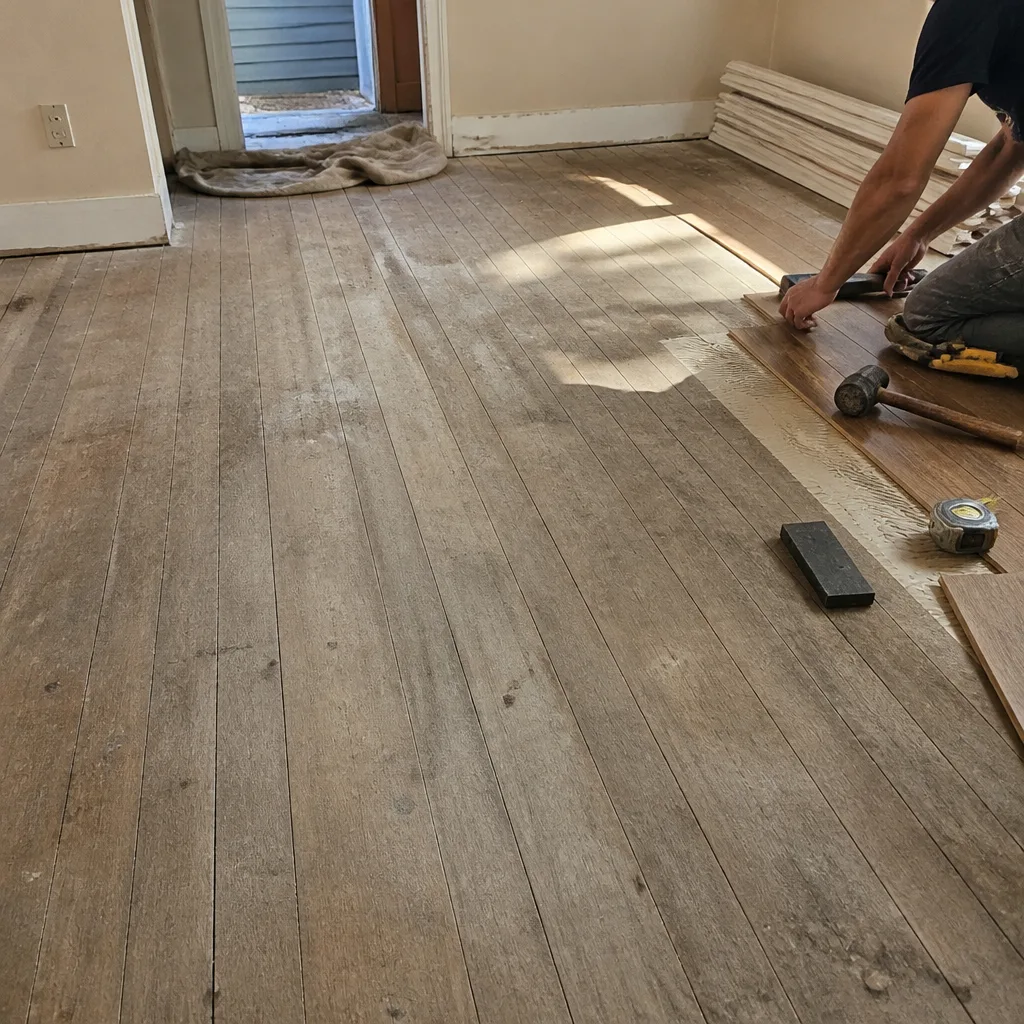 Before
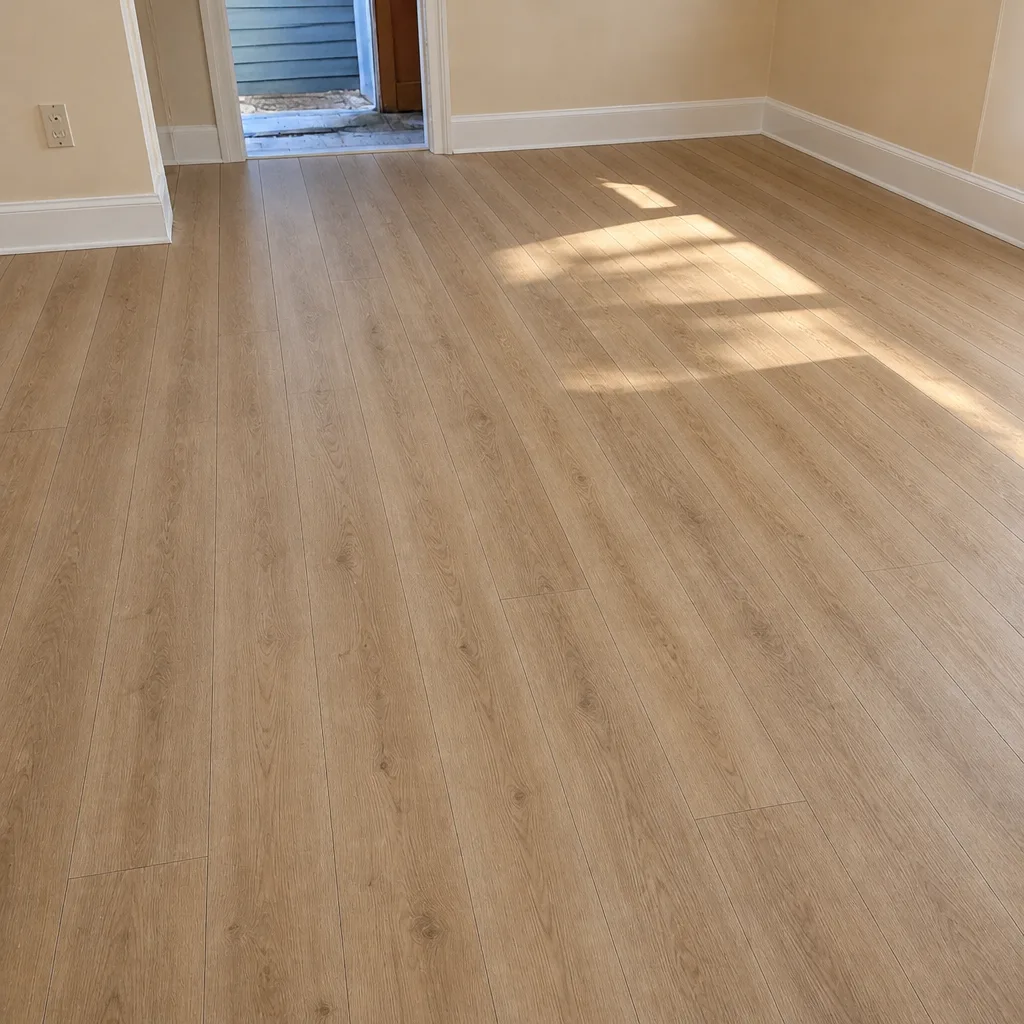 After
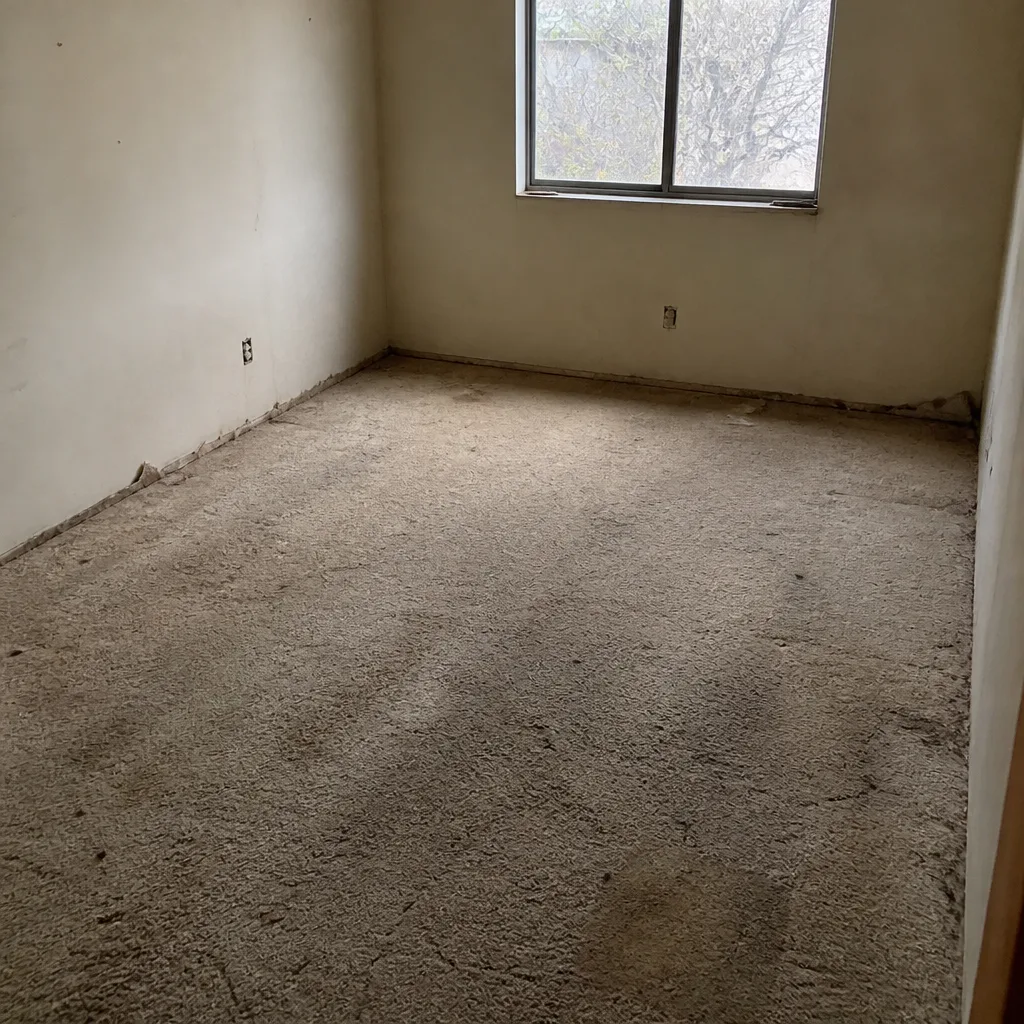 Before
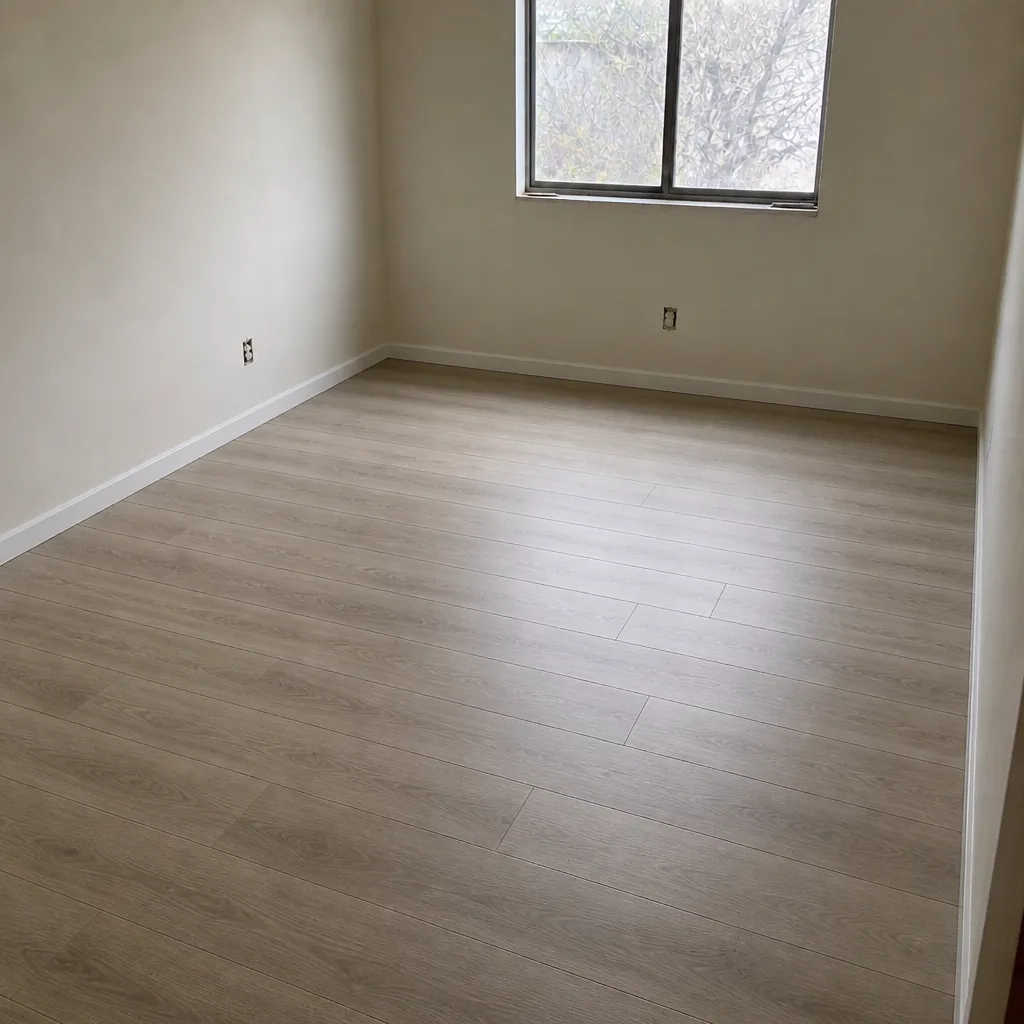 After
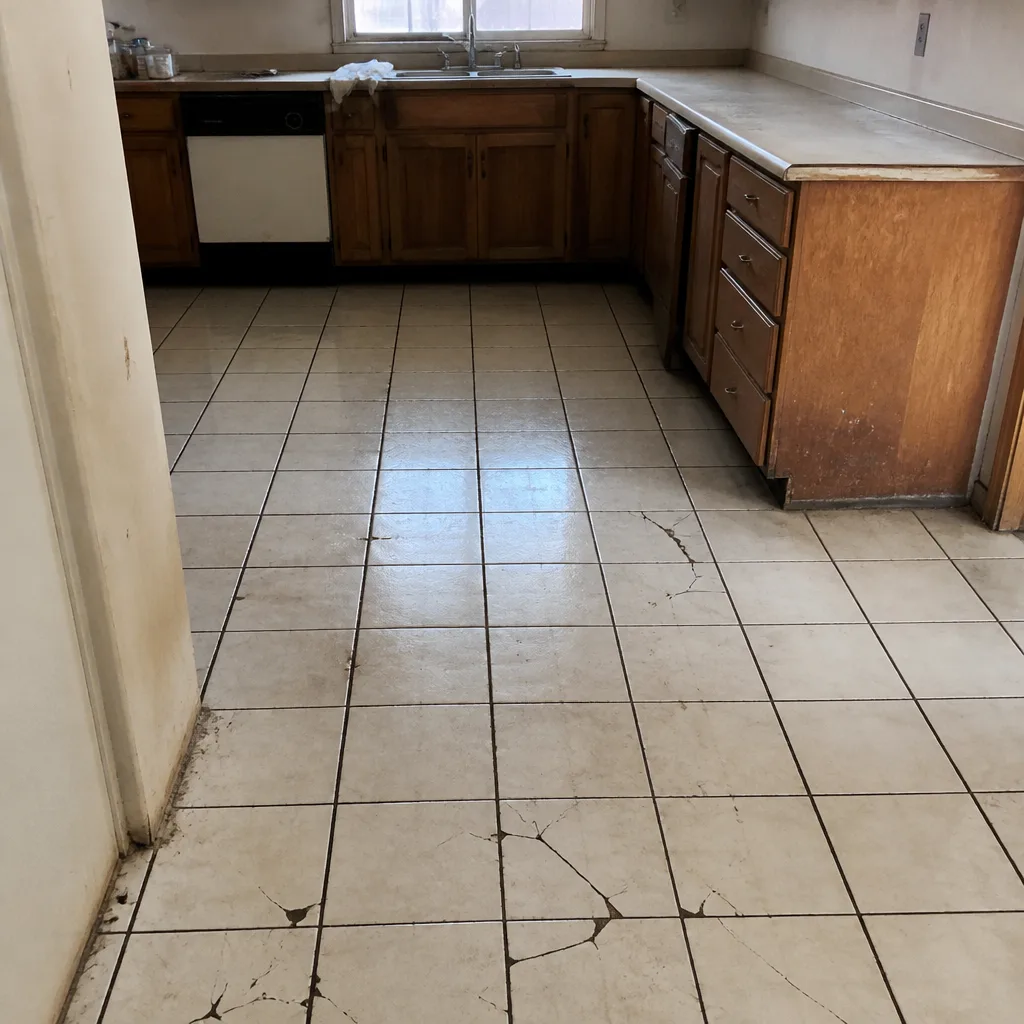 Before
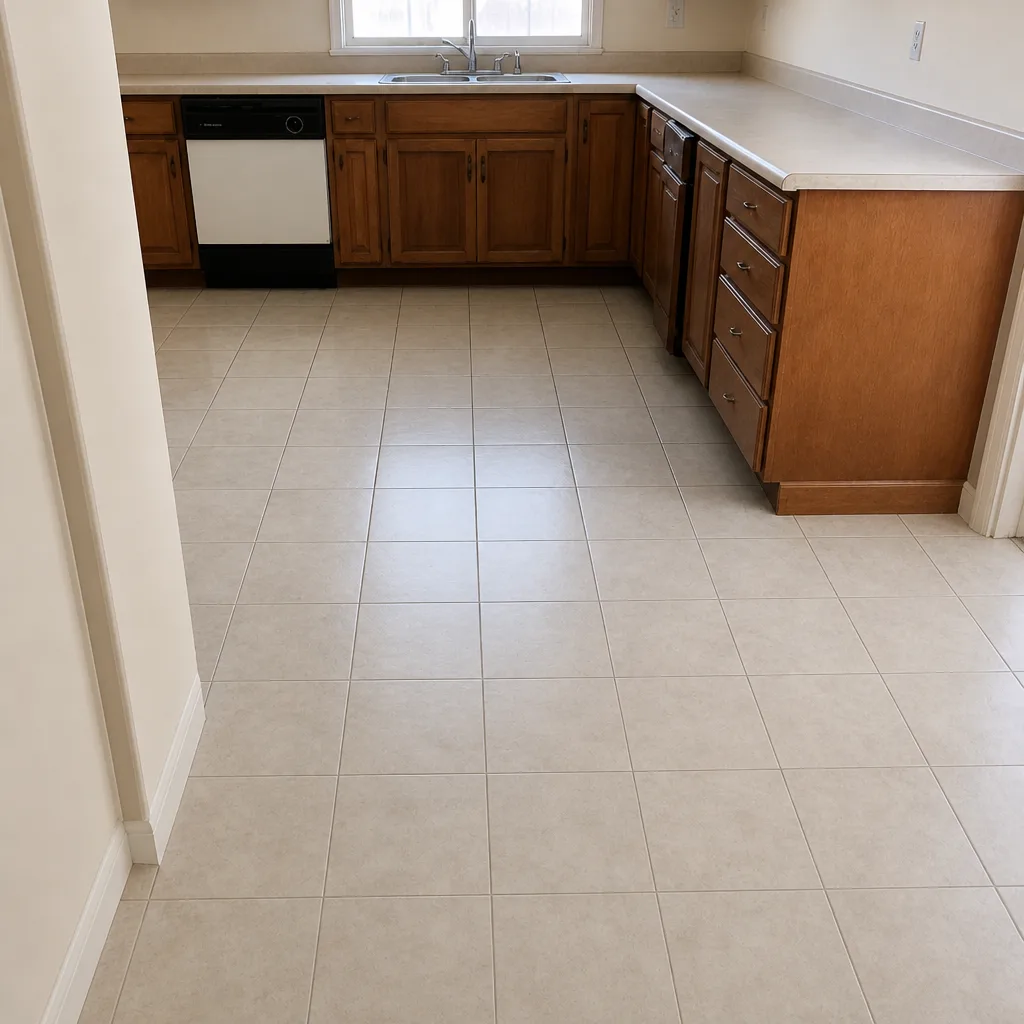 After
When to Call a Professional
Routine care keeps a new floor looking new, but some work is best left to a flooring specialist. Call us when you see cupping, crowning, or gaps in wood or laminate that don’t close with the season; when a hardwood finish is dulled or scratched enough that refinishing is worth considering; when vinyl bubbles, lifts, or feels soft underfoot, which can signal moisture underneath; when tile has cracked, come loose, or has grout that’s failing; or when carpet has deep stains, matting, or wear that cleaning won’t fix. A professional measure and estimate is the right starting point for any of these, and it’s the moment to plan a whole-home project across surfaces rather than piece it together. Paradise Flooring Installation offers free estimates in Paradise – call (844) 651-6528 to schedule yours.
Frequently Asked Questions
Dry removal of grit first, then a damp mop with a pH-neutral cleaner, is the best approach for every hard surface. In Paradise, tracked-in desert grit is the biggest threat to a new finish, so frequent dry sweeping and vacuuming matters more than any single cleaner. For carpet, regular vacuuming and prompt spill blotting come first. Call (844) 651-6528 for a free estimate on any flooring work.
Yes, UV exposure fades stains and dyes over time, and in a high-sun environment like Paradise the change can be uneven. The exact timeline depends on the material, the finish, and how much direct sun the room gets. Window film, solar screens, and scheduled rug and furniture rotation manage the effect. Call (844) 651-6528 to talk through material choices for a sunny room.
Winter gaps are usually a humidity signal, not a defect. Paradise winters are dry, and wood releases moisture and shrinks slightly when indoor humidity drops, which can open seams. Keeping indoor humidity steady with a properly sized humidifier reduces the swing. If gaps don’t close seasonally or get large, have it checked. Call (844) 651-6528 for a free estimate.
Not on hardwood, laminate, or most vinyl. Steam can drive moisture into seams and damage finishes, even on water-resistant products. Tile is generally the safest surface for a steam mop, but check the specific product guidance. A damp mop with a pH-neutral cleaner is the safer default. Call (844) 651-6528 with questions about your particular floor.
Mats wear faster in Paradise than in milder climates because they handle so much fine grit. Replace or clean them when they stop scraping or start shedding, since a saturated mat deposits dust at the door. The two-zone system works only if both zones are maintained. Call (844) 651-6528 for a free estimate on flooring or entry-surface updates.
Refinish when the wood is thick enough and in good enough condition to take it; replace when it isn’t. In Paradise, refinishing is a restore-don’t-replace path that preserves original character and often saves money, but it depends on the wood, which we check at the estimate visit. Call (844) 651-6528 for a free estimate.
The Bottom Line
Caring for new flooring in Paradise comes down to a few habits matched to this climate: stop desert grit at the entry with a two-zone mat system, keep indoor humidity steady through the dry winter, manage UV with window film and rug rotation, and clean all hard surfaces with a pH-neutral product and a damp mop. Carpet needs frequent vacuuming and periodic deep cleaning; tile needs grout attention. Match the material to the room and the light, and keep the routine mild and frequent rather than harsh and occasional. When something looks off, get it looked at early. The guides on every surface we cover, and our Paradise local coverage, start with a free estimate.
Call (844) 651-6528 for a free estimate. We answer 24/7. Fast dispatch from 7am to 7pm, Sunday through Friday.
Written by the team at Paradise Flooring Installation.