
Last updated November 17, 2026
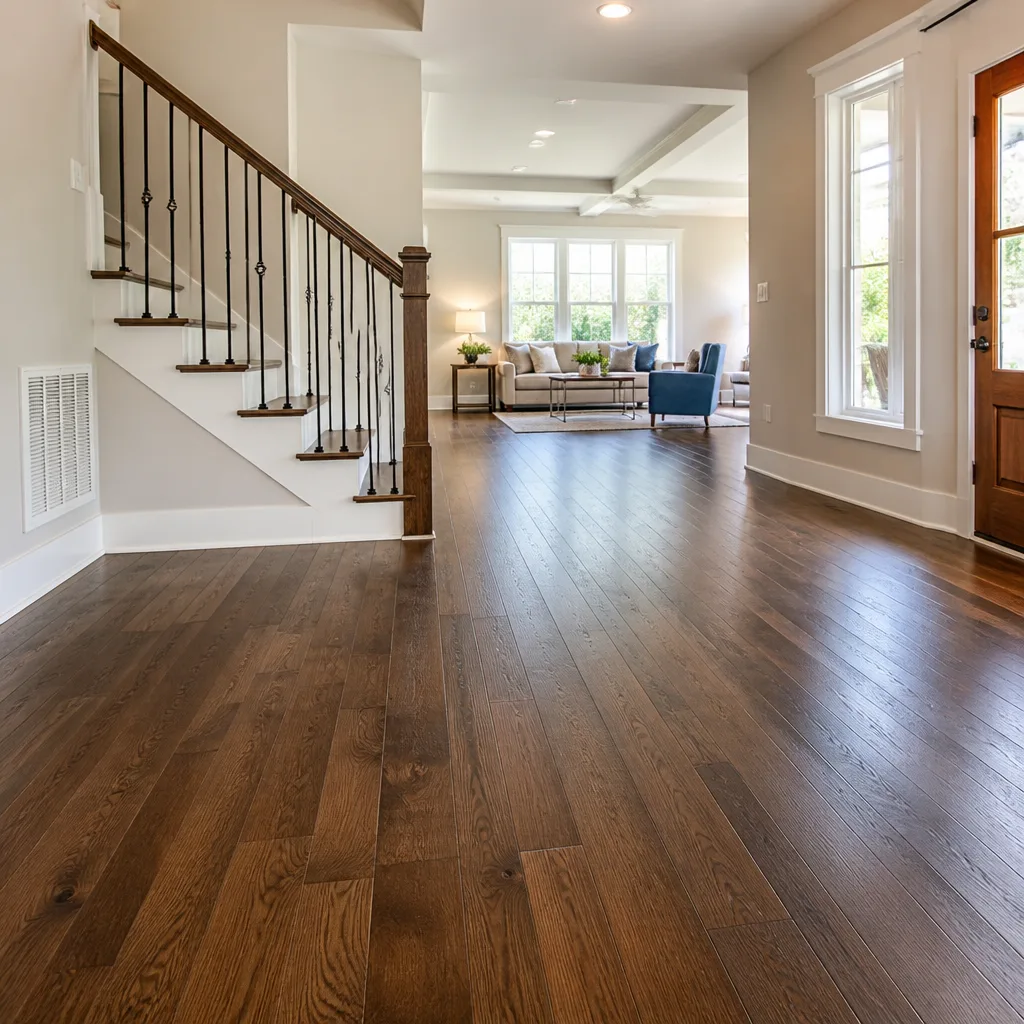 Hardwood
 Engineered hardwood
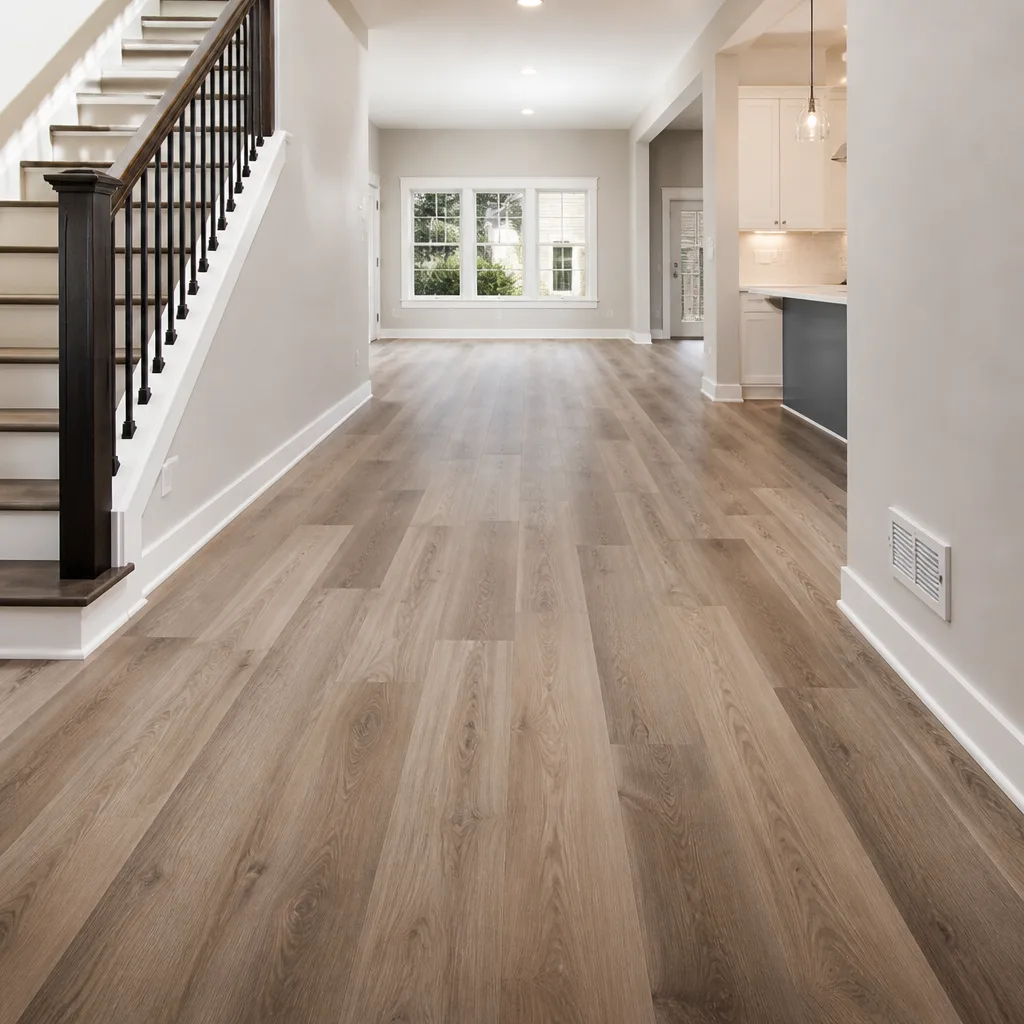 Luxury vinyl plank
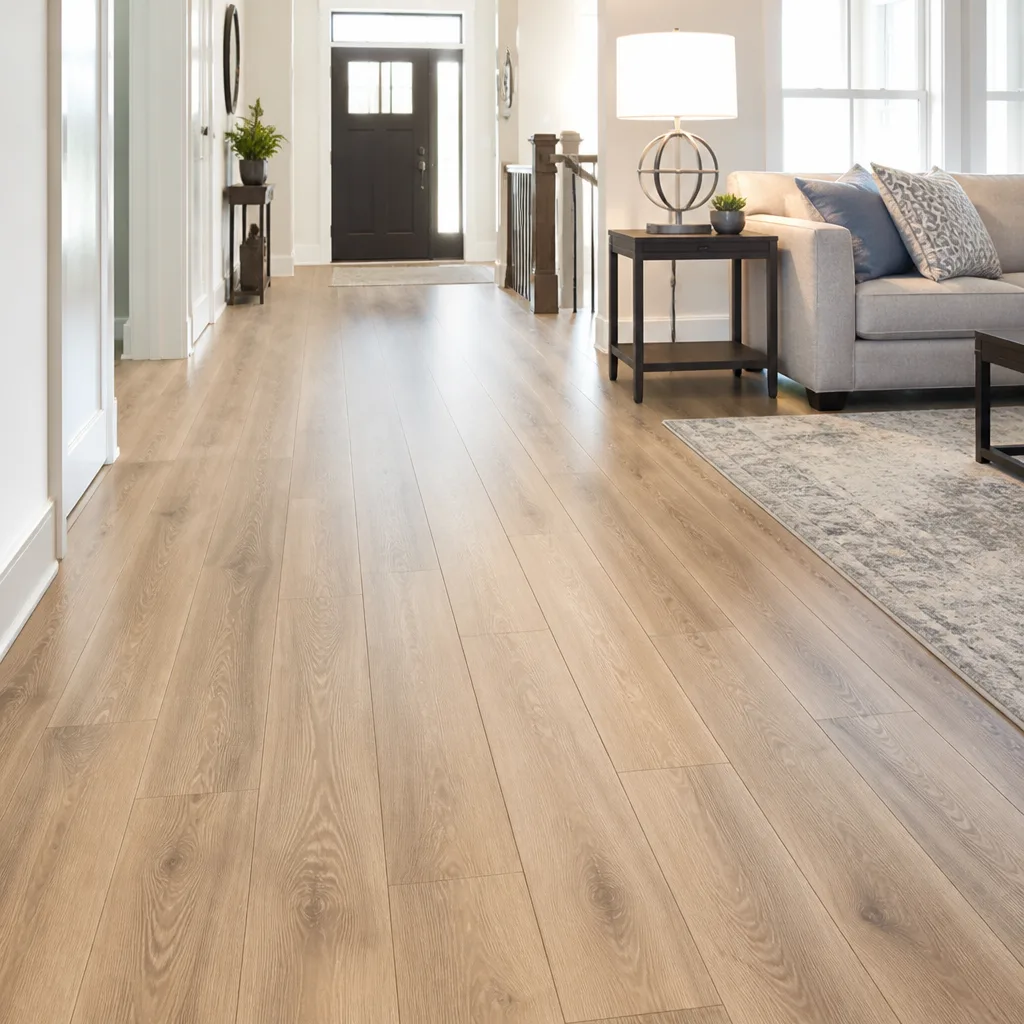 Laminate
 Porcelain tile
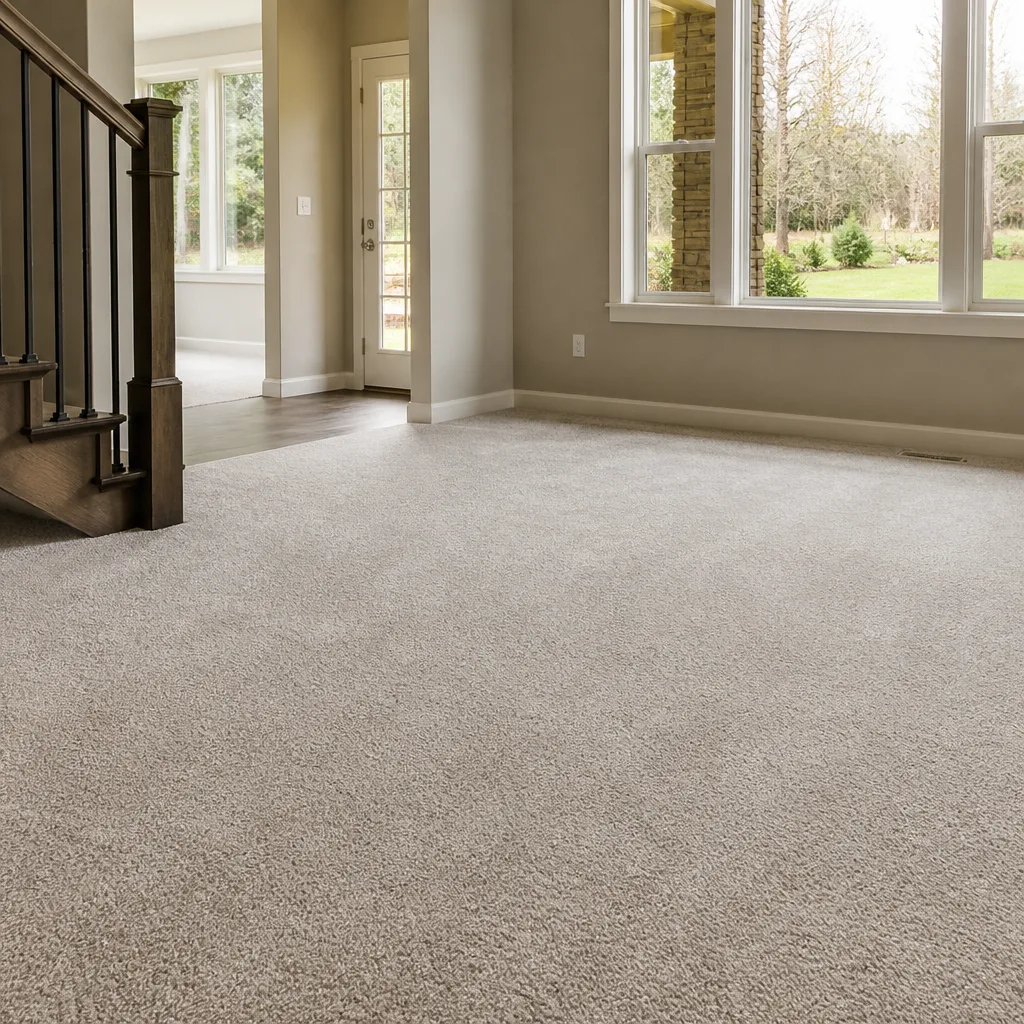 Carpet
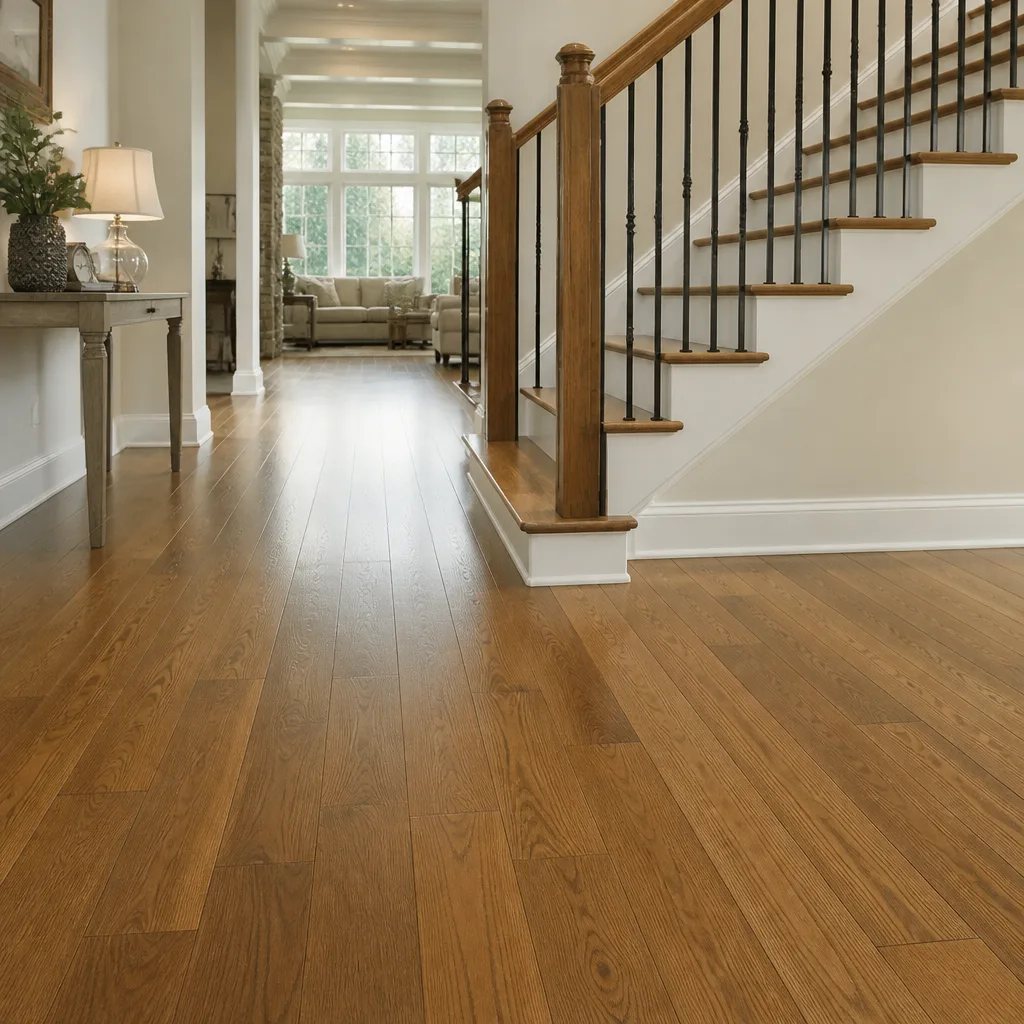 Shaw
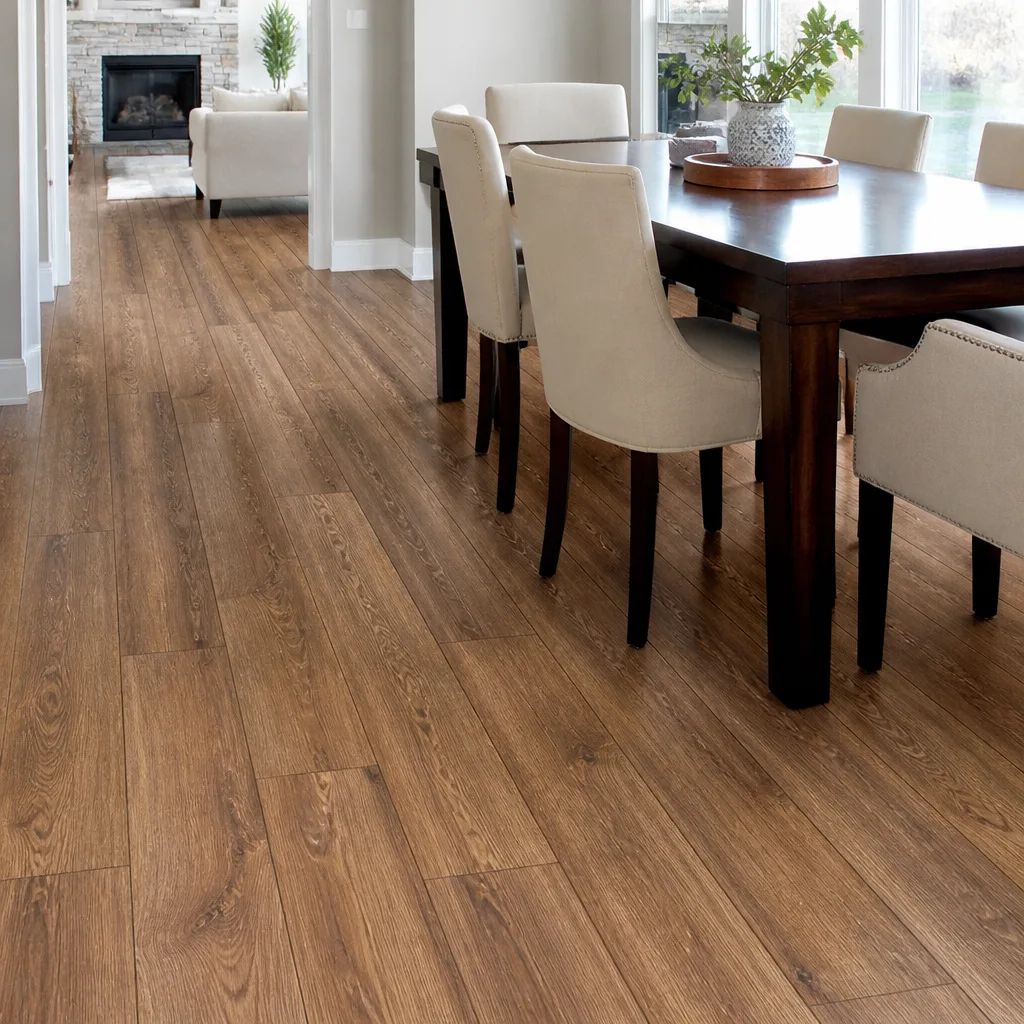 Mohawk
 COREtec
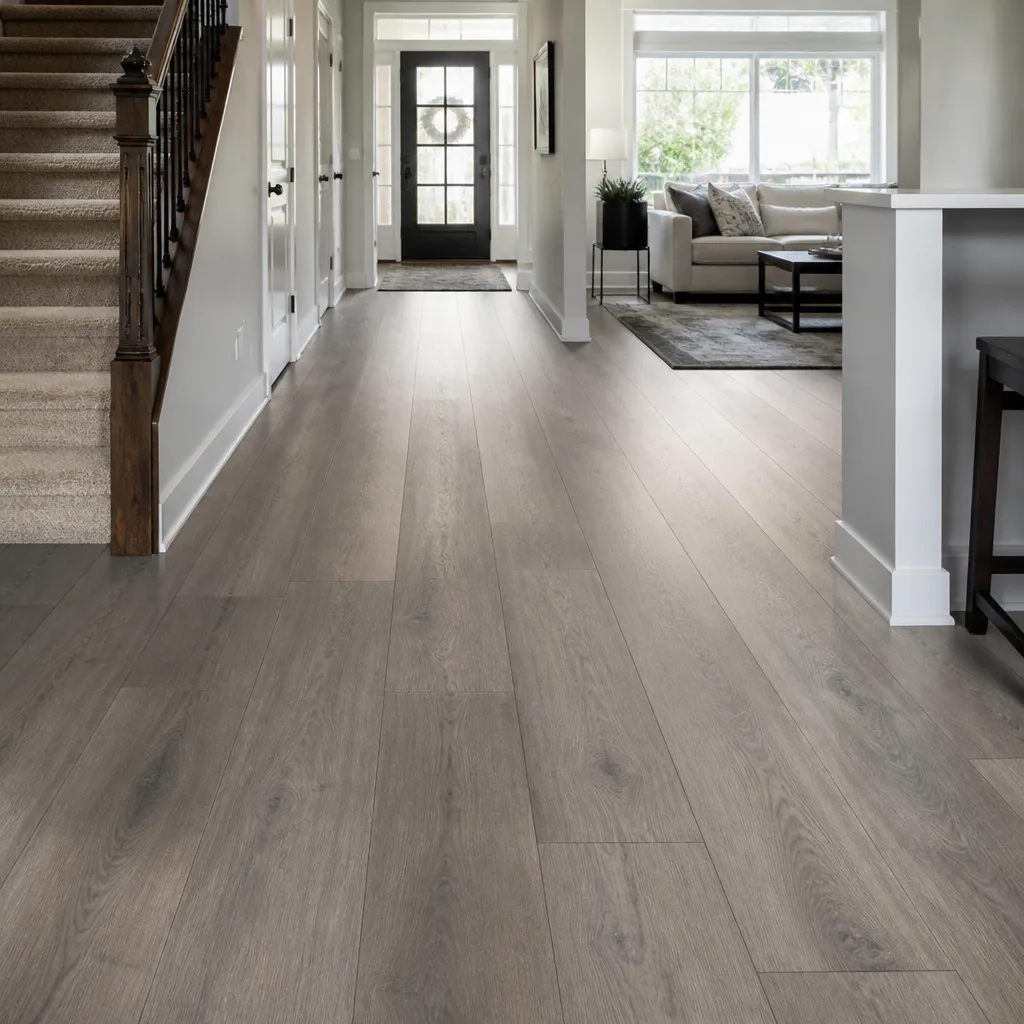 Pergo
Free in-home measure and written estimate: Shaw, Mohawk, COREtec and Pergo lines compared on your own rooms, with carpet, tile, vinyl plank, laminate and hardwood laid out side by side
Get your free estimateFix It or Start Over: Flooring Repair vs Replacement
A floor quoted for full replacement because of “too many scratches” may actually need a screen-and-recoat, a fraction of the cost. The difference between the two outcomes is usually which question gets asked first. Most homeowners get a replacement number before anyone checks the floor beneath the finish: the subfloor, the sand-able thickness, the seam, the substrate. When those fundamentals are sound, you’re often buying a repair, not a floor. This guide gives you the variables to evaluate, so you can hold any contractor to the right recommendation. We’ll walk through repair vs replacement cost in plain terms, because at Paradise Flooring Installation we’d rather you understand the decision than take our word for it.
Quick Answer
Repair is worth it when the damage sits in the finish, the seams, or a single board or tile, and the material underneath still has life in it. Replacement makes sense when the subfloor or substrate is failing, the wear layer is gone, or the floor has no sand-able thickness left. The real test isn’t how bad the damage looks; it’s whether the structure and material can carry another decade of use.
Styles & brands we work with
- Hardwood
- Engineered hardwood
- Luxury vinyl plank
- Laminate
- Porcelain tile
- Carpet
- Shaw
- Mohawk
- COREtec
- Pergo
Table of Contents
- The Three Layers of Floor Damage: Finish, Material, Structure
- The Subfloor Test: What Forces Replacement
- Hardwood: Measuring Remaining Sand-Able Thickness
- Tile: Grout Failure, Hollow Spots, and Substrate Delamination
- Carpet: When Seam Repair and Re-Stretch Add Years
- The Partial Replacement Trap and the Sample Match Test
- Repair vs Replacement: How the Costs Compare
- A Step-by-Step Decision Framework
The Three Layers of Floor Damage: Finish, Material, Structure
Every flooring failure lives in one of three layers, and knowing which one changes everything about the recommendation. Finish damage is surface-only: scratches in the topcoat, dull spots, worn polyurethane. Material damage means the wood fiber, tile body, or carpet face itself is compromised. Structural damage is the subfloor or substrate moving, rotting, or delaminating under the floor. Only the third layer forces replacement outright, and it’s the one most quick quotes skip.
Here’s how to read the layers:
- Finish layer: scratches that catch a fingernail but stay shallow, dull traffic lanes, light scuffs. Usually repairable with a screen-and-recoat or a fresh finish coat.
- Material layer: chipped tile edges, crushed carpet fiber, wood that’s cupped, crowning, or splitting. Sometimes repairable in patches, sometimes not.
- Structure layer: a subfloor that flexes underfoot, squeaks that travel, a hollow thud under a hammer handle, or visible separation at seams. This is where replacement enters the room.
We’ve walked into Paradise homes where the finish looked rough but the structure was solid, and homes where a single small stain sat right on top of a soft, water-damaged subfloor. The finish tells you what happened on top. The structure tells you what’s happening underneath. Ask any contractor which layer they’re diagnosing before you accept a number. That one question reframes the whole conversation.
The Subfloor Test: What Forces Replacement
The subfloor is the deck beneath your flooring, and it’s the single biggest driver of repair vs replacement. If it’s solid and dry, most surface problems are fixable. If it’s moving, soft, or water-damaged, no amount of new surface material will last. Think of the subfloor as the foundation and your flooring as the walls; you don’t hang drywall on a shifting frame and expect it to stay straight.
A simple field check helps before you call anyone:
- Walk the floor in socks and listen. Sharp squeaks usually mean loose fasteners or subfloor movement, not the surface.
- Tap with a hammer handle across suspected areas. A crisp sound is normal; a hollow, flat thud can signal a void or delamination.
- Press down near a wall or seam with your heel. Any give that isn’t in a carpet pad points to structure.
- Look for gaps at baseboards, spreading seams, or a floor that rocks under a level. Movement is the tell.
- Check for water history: dark rings, cupping near sinks and exterior doors, or a musty smell after rain.
In the dry desert climate around Paradise, moisture usually comes from plumbing leaks or roof intrusion rather than humidity, so a dry-climate floor can still hide a soft spot years after a slow leak. If your check turns up structure issues, the conversation shifts from repair cost to replacement scope. When the subfloor is sound, the repair conversation opens up, and that’s where Paradise Flooring Installation starts every estimate.
Hardwood: Measuring Remaining Sand-Able Thickness
Hardwood is the one floor where “worth refinishing” has a physical answer. A refinish removes a thin layer of the wood surface, so the question is how much wood is left above the tongue or the fasteners. Solid wood installed over a standard subfloor usually tolerates a limited number of sandings over its life. Engineered wood has a thinner top veneer and may only support one light sand, or none. This is why hardwood refinishing is a craft, not a surface scuff: it separates dedicated flooring pros from generalists who quote a replacement instead of measuring.
A coin-and-gauge field method gives you a rough read before anyone quotes a new floor:
- Find a transition, a floor register, or a threshold where the wood edge is exposed.
- Slide a coin into the gap to feel the thickness of the wear layer above the tongue. A modest thickness can often take a light refinish.
- Check the exposed edge for delamination, cracks, or a paper-thin veneer. Thin veneer means refinishing isn’t safe.
- Look for previous sanding scars or a wavy pattern that suggests the floor has already been refinished.
- Test a small inconspicuous spot for how the finish responds. If it lifts in a clean pass, the finish system is intact enough to work with.
We point this method out because it lets you ask a sharper question: “How much thickness is left, and how many refinishes has this floor had?” A hardwood floor with solid stock and good thickness can be brought back with tile flooring installation sitting in an adjacent room as a style reference, or refinished on its own. Where the wood is too thin, restoring isn’t safe and replacement is. Either way, the coin-and-gauge check earns you an accurate answer instead of a guess.
Tile: Grout Failure, Hollow Spots, and Substrate Delamination
Tile failures fall into three distinct categories, each with a different repair cost and skill ceiling. Isolated grout failure is cosmetic and cheap to fix. A single hollow-sounding tile on an otherwise stable floor can often be lifted and reset. Substrate delamination, where the layer the tile sits on has separated from the subfloor, is the one that pushes toward full replacement because the whole system underneath is compromised.
- Grout failure: hairline cracks, crumbling at joints, or grout pulling from tile edges. Usually re-grouted or caulked in a day. Often caused by normal expansion and contraction.
- Single hollow spot: one tile that sounds hollow when tapped. If the surrounding tile is bonded and the subfloor is stable, a single tile can be removed and re-set. Skill matters because the bond around it has to hold.
- Substrate delamination: hollow sound across a field of tiles, cracked tiles in a straight line, or grout cracking that keeps returning. This usually means the substrate or bonding layer has failed, and patching over it just kicks the problem down the road.
Where we install tile with tile flooring installation, we get access to professional-grade Daltile and know the difference between a re-grout and a substrate redo. In Paradise homes with in-floor plumbing or slab construction, a hollow spot can also point to a slab crack or a water line, so it’s worth tracing before committing. The takeaway: a single hollow tile is a repair; a field of hollow tiles is a structural question, and it deserves a different answer than a quick patch.
Carpet: When Seam Repair and Re-Stretch Add Years
Carpet has its own repair-versus-replace logic, and it hinges on the pad and the fiber rather than the surface look. A stretched-out carpet with tight, intact fiber can be re-stretched and re-seamed to buy years. A crushed, matted, or permanently flattened fiber, or a deteriorated pad that no longer cushions, means the repair may be money thrown at a lost cause. Tired carpet isn’t automatically a replacement; the pad and fiber decide.
What’s often repairable:
- Seam separation: the backing or seam tape has failed, but the face fiber is intact. Re-seaming restores a clean line.
- Rippling and buckling: usually a stretching or tack-strip issue, not the carpet itself. Re-stretching brings it taut again.
- Pet spots or localized stains: if the backing and pad aren’t compromised, a patched repair with matching material can work.
What usually points to replacement:
- Crushed fiber in high-traffic lanes that won’t recover after cleaning.
- A pad that’s collapsed, soiled at depth, or lost its cushion.
- Widespread staining that’s set into the fiber, not just the surface.
We bring nine brands into the repair-or-replace conversation, so when the answer is “new carpet,” you’re choosing from Shaw, Mowhawk, and others rather than settling. If the answer is repair, our technicians have up to 11 years of experience bringing seams and stretches back to spec. Learn more about the full scope of carpet installation before you write off a repair.
The Partial Replacement Trap and the Sample Match Test
Partial replacement sounds like the obvious middle path: fix only the bad section and save the rest. The trap is color and texture. Flooring is produced in dye lots, and lots change over time. A new box of the same product may not match the floor that’s been in the sun for years, and discontinued SKUs often can’t be sourced at all. Replacing a spot can look worse than replacing the room, and that’s a real cost hidden in the “cheaper” option.
Before committing to a spot replacement, run a sample match test:
- Get a full board, tile, or carpet sample of the current product from your original order, or a cutout from a hidden area like a closet.
- Lay it next to the damaged area in the same lighting, both daylight and evening light.
- Compare tone, sheen, texture, and pattern, not just color.
- Check the SKU and dye lot on the original packaging, if you still have it, against the replacement stock.
- Ask whether the product is still in production. Discontinued sku means partial replacement may not match at all.
This is where installment via a brand with active product lines helps. COREtec, Pergo, LifeProof, and Mannington all span rigorous categories and remain available, but their lots and finishes vary by product. When a spot repair is technically possible but visually risky, full replacement is often the honest choice. In our experience, homeowners who run the match test make that call with clear eyes instead of finding out after the check clears.
Repair vs Replacement: How the Costs Compare
Repair vs replacement cost depends on which layer is damaged and how much material the job needs. In our experience, the repair cost often sits at a fraction of replacement when the structure is sound, but the gap closes fast when the damage runs deep. The estimate visit is where the real numbers get set, because a written quote beats any ballpark. Here’s the shape of the decision:
- Screen-and-recoat or finish refresh on hardwood: a modest, surface-level cost. Worth it when the wood thickness is intact.
- Seam repair or re-stretch on carpet: a relatively small ticket that adds years when the fiber and pad are sound.
- Single-tile reset or grout repair: usually a targeted repair cost, well below a full tile field.
- Partial spot replacement: the tempting middle option, but high risk of visible mismatch and lost value.
- Full replacement, one room: the larger spend, but it resets the floor for its full life and removes the structural question.
- Whole-home or multi-surface replacement: the biggest investment, and where covering every surface with one installation team saves coordination and mismatched timelines.
Those are directional, not quoted prices; the written estimate sets the final number per job. When we scope a job for Paradise, the estimate visit includes checking the subfloor and material thickness so the repair-vs-replace call is grounded in facts. Free estimates make the math easy to see. That’s why we tell homeowners to get the structural read before they compare a repair number to a replacement number.
A Step-by-Step Decision Framework
When you’re standing between a quote to repair and a quote to replace, a structured sequence keeps you from getting talked into the wrong one. It also gives you a way to hold any contractor accountable to the evidence. Work through it in order and the answer usually surfaces on its own.
- Identify the layer: finish, material, or structure. Never accept a quote until someone names which layer they’re diagnosing.
- Check the subfloor: walk, tap, press, and look for movement. Structure issues push toward replacement.
- Measure remaining thickness (hardwood): coin-and-gauge at an exposed edge. Thin veneer or a floor already refinished means replacement.
- Classify the tile failure: isolated grout or single hollow tile can be repaired; field hollow or returning cracks point to substrate failure.
- Assess carpet pad and fiber: intact fiber plus a sound pad favors repair; crushed fiber or collapsed pad favors replacement.
- Run the sample match test: if the replacement material can’t match on tone, sheen, and texture, partial replacement is a false economy.
- Get a written estimate with the scope spelled out: ask what’s included, what the structural diagnosis is, and what the guarantee covers. Then call and compare.
Every room can be different. We’ve handled whole-floors where one room needed a re-stretch and another needed a full install, all under one estimate. That’s the value of a full-category team. If the framework points to replacement on any surface, we’ve got the brands and the install know-how to match the rest of the home: COREtec and LifeProof planks, Karndean designs, and a full range across the portfolio. Nine trusted brands, one installation team.
Common Mistakes to Avoid
- Accepting a replacement quote without a subfloor check. If no one tapped, pressed, or looked for movement, you may be paying to replace a floor that only needed a repair.
- Believing “too many scratches” automatically means replacement. Scratches live in the finish layer. Many floors just need a screen-and-recoat, not a new floor.
- Refinishing a hardwood floor without measuring thickness. A thin veneer or an already-refinished floor can be permanently damaged by another sanding pass.
- Patching over a substrate failure. Re-grouting a field of hollow tiles or re-seaming over a failing subfloor kicks the cost down the road, not away.
- Choosing a spot replacement without a match test. Dye-lot and SKU differences often make a spot look worse than a full replacement, and discontinued lines can’t be matched.
- Skipping the written estimate. A verbal number leaves you no way to compare scope, materials, or the contractor’s actual diagnosis.
- Assuming one contractor can’t handle every surface. Coordinating separate installers for carpet, tile, and refinishing adds gaps and timeline drift that one team avoids.
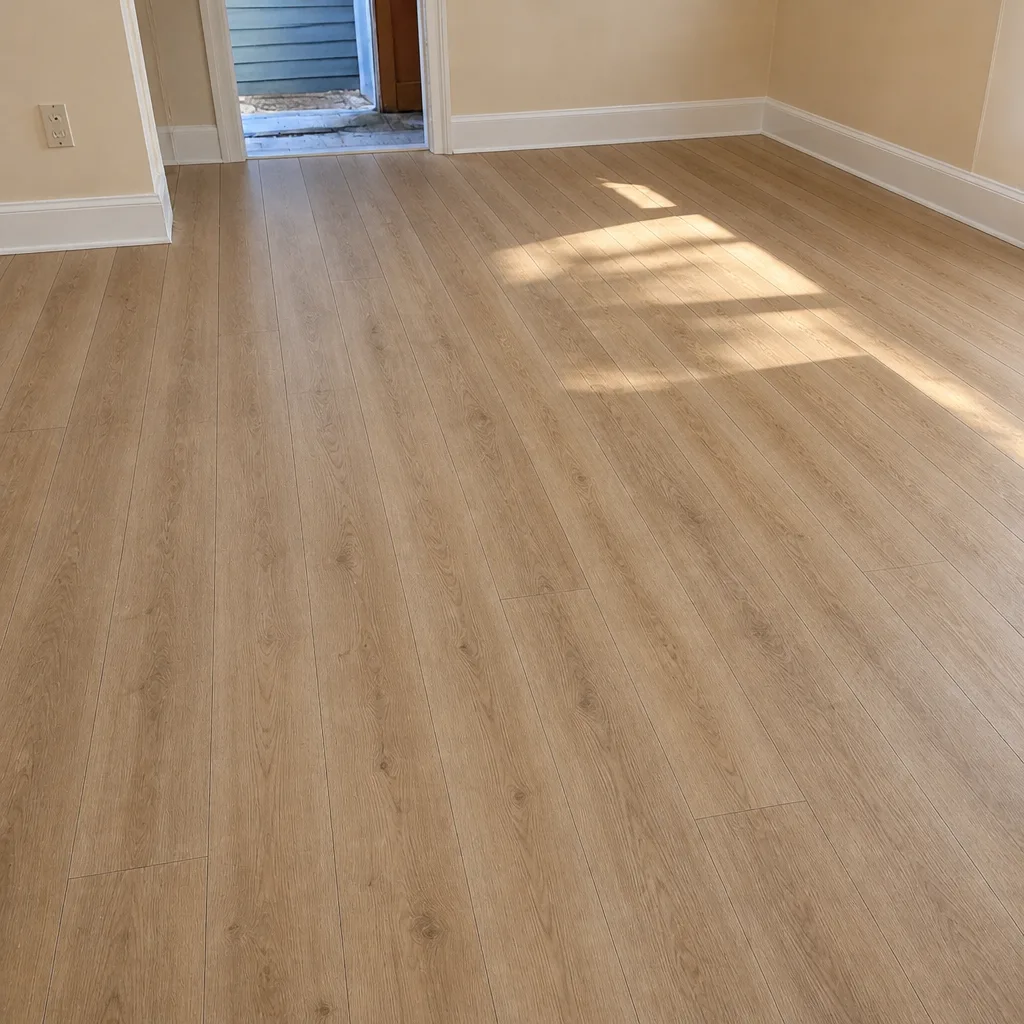
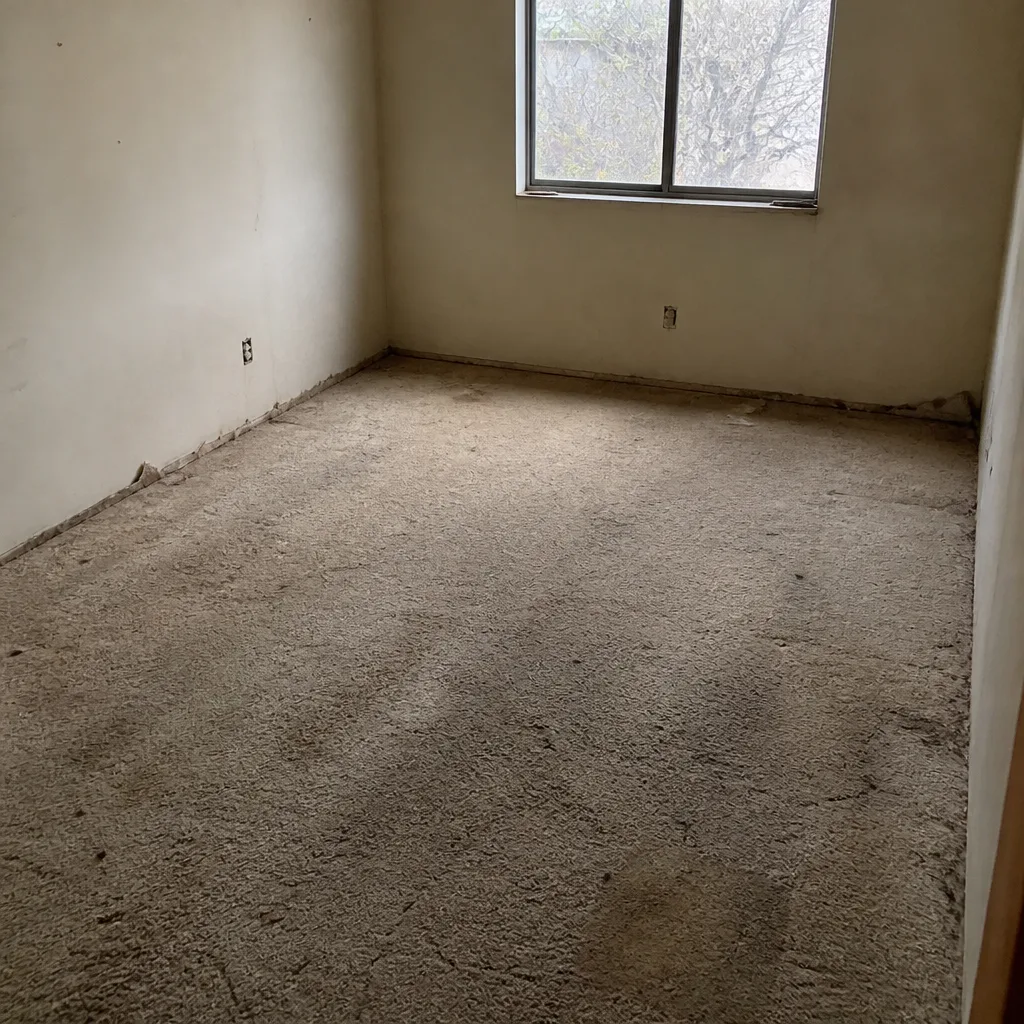
See the difference
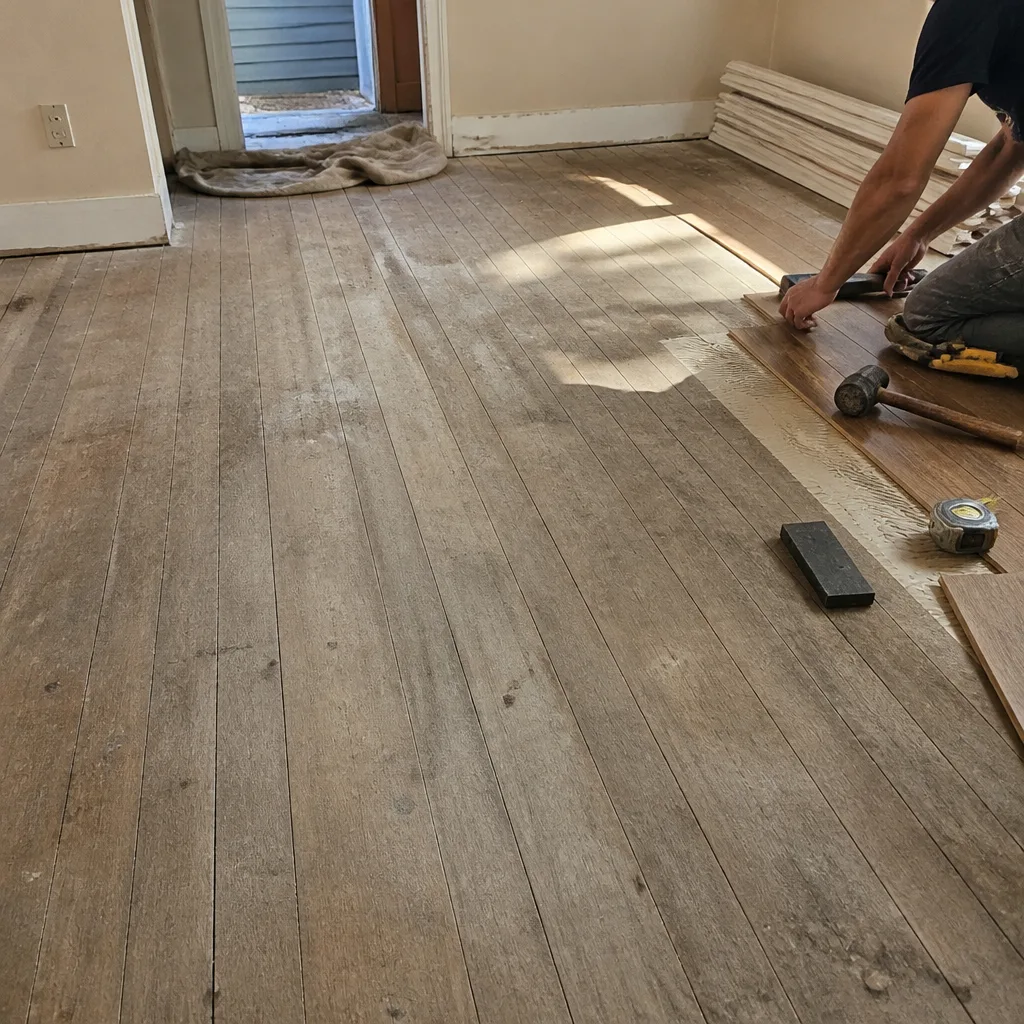 Before
 After
 Before
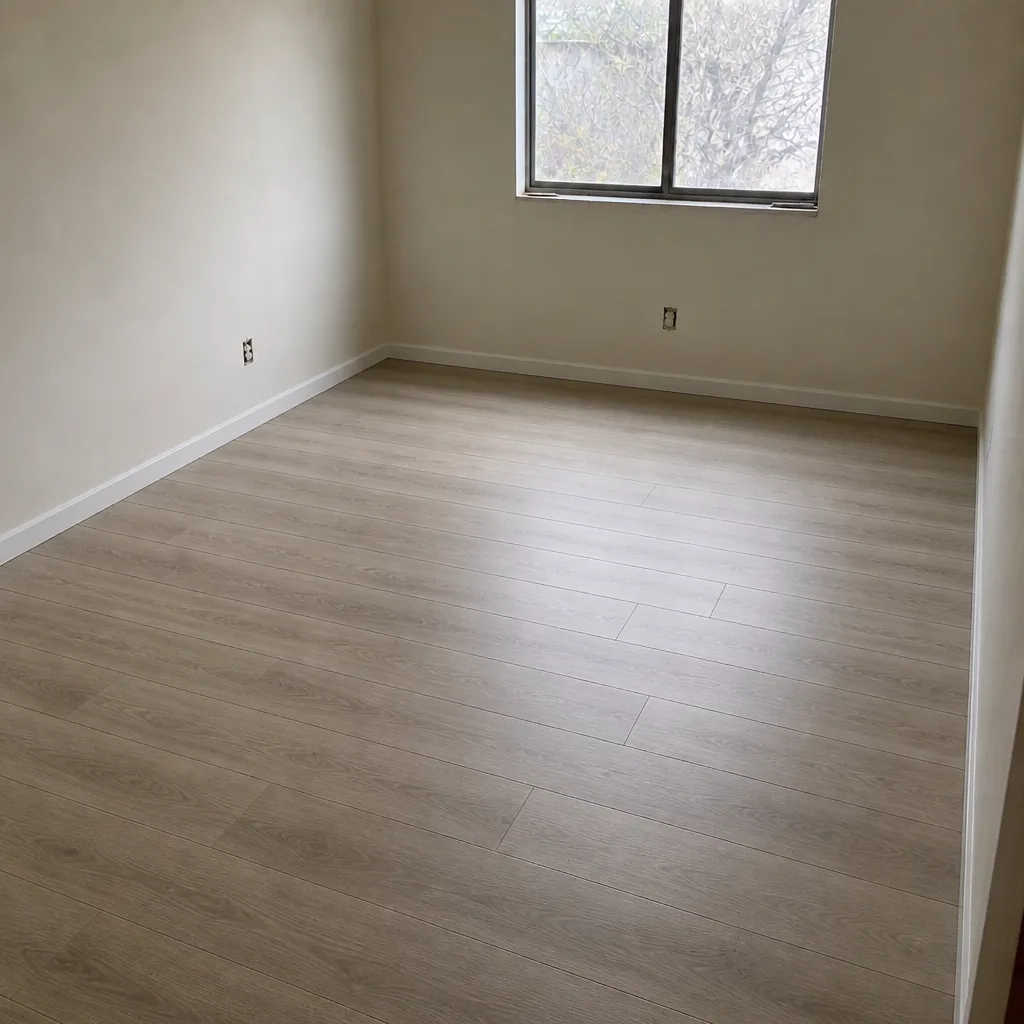 After
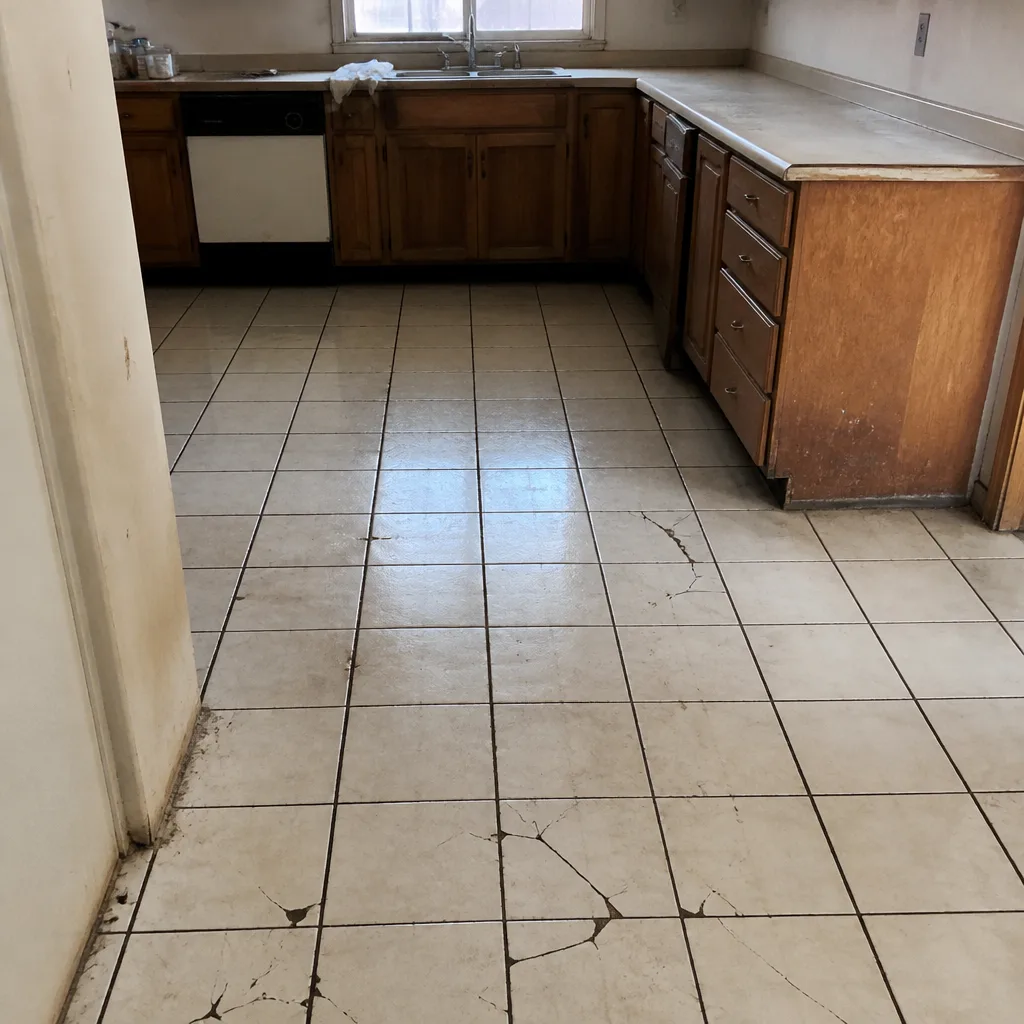 Before
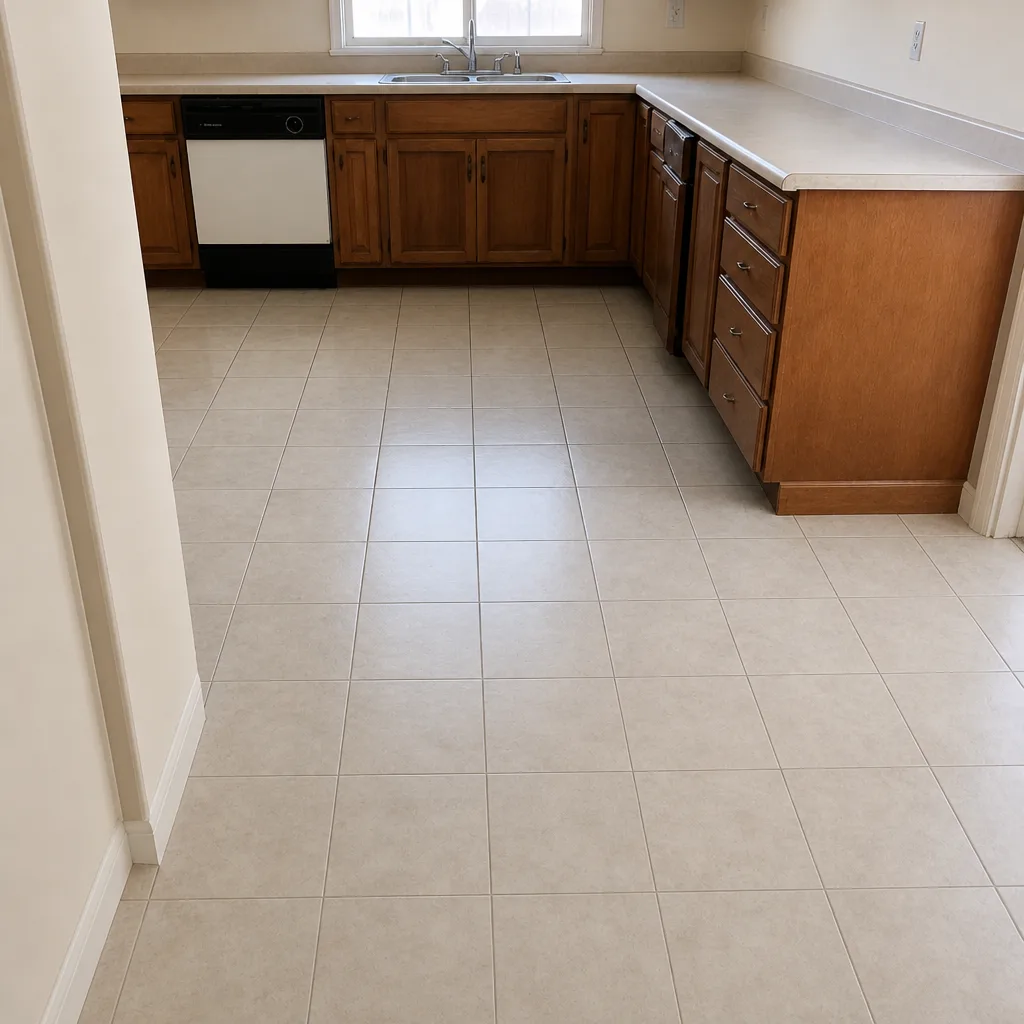 After
When to Call a Professional
Call a professional when the damage has moved past what you can see and into what the floor is doing underfoot: a floor that flexes, squeaks, rocks, or shows spreading seams. Call if a tile field sounds hollow in more than one spot, if grout cracks keep returning after a patch, or if a hardwood floor’s thickness is uncertain. Call if pet damage or a slow leak has reached the pad or the subfloor. And call if you’ve been quoted a replacement and want an honest second read of the structural layer before you commit. Paradise Flooring Installation offers free estimates in Paradise. Call (844) 651-6528. Estimates are free, written, and set the price per job, so the repair-or-replace call is grounded in what the floor is actually doing.
Frequently Asked Questions
Finish damage is surface-only, like scratches or dull traffic lanes that don’t flex or sound hollow. Material damage is in the wood fiber, tile body, or carpet face. Structure damage shows as movement, hollow thuds, or spreading seams underfoot. Tap and press the floor, and the layer usually reveals itself. Call (844) 651-6528 for a free estimate that diagnoses the right layer.
A thin or already-refinished hardwood floor can’t safely take another sanding pass, so refinishing isn’t the answer. In some cases a partial repair or a new engineered surface can work, but it depends on the condition checked at the estimate. Get a written read on remaining thickness before deciding. Call (844) 651-6528 and we’ll check it out.
A single hollow tile on an otherwise stable floor can usually be lifted and reset as a targeted repair. A field of hollow tiles or grout cracks that keep returning points to substrate delamination, which pushes toward replacement. The difference is the skill ceiling and the cost. Call (844) 651-6528 for an exact scope and a written estimate.
Carpet repair is a waste when the fiber is crushed and matted or the pad has collapsed, because the lost cushion and face can’t be recovered. Seam repair and re-stretch add years only when the fiber and pad are sound. If you’re unsure which side of the line you’re on, an estimate visit settles it. Call (844) 651-6528 and we’ll assess it.
Spot replacement can fail because dye lots and discontinued SKUs don’t match a floor that’s aged in place. The new material can read as a visible patch even when it’s the same product. Run a sample match test in two lighting conditions before committing. Call (844) 651-6528 for an exact quote on either route.
Yes, the estimate is free, and the written quote sets the price per job. Repair work and installation are scheduled around the estimate findings rather than guessed at the phone. Call (844) 651-6528 to schedule your free estimate. We answer 24/7, with fast dispatch from 7am to 7pm, Sunday through Friday.
The Bottom Line
The repair-vs-replace decision comes down to the floor under the floor. If the subfloor and substrate are sound and the material still has life, repair or restore is often the smarter spend, whether that’s a screen-and-recoat, a re-stretch, a single-tile reset, or a seam fix. If the structure is failing, the wear layer is gone, or the thickness won’t support another sand, replacement is the honest call. Run the sample match test before any spot replacement, get a written scope, and ask which layer is being diagnosed. That’s how you hold any contractor to the right recommendation, and it’s how we approach every estimate at Paradise Flooring Installation.
Call (844) 651-6528 for a free estimate. We answer 24/7. Fast dispatch from 7am to 7pm, Sunday through Friday.
Written by the team at Paradise Flooring Installation.