
Last updated November 17, 2026
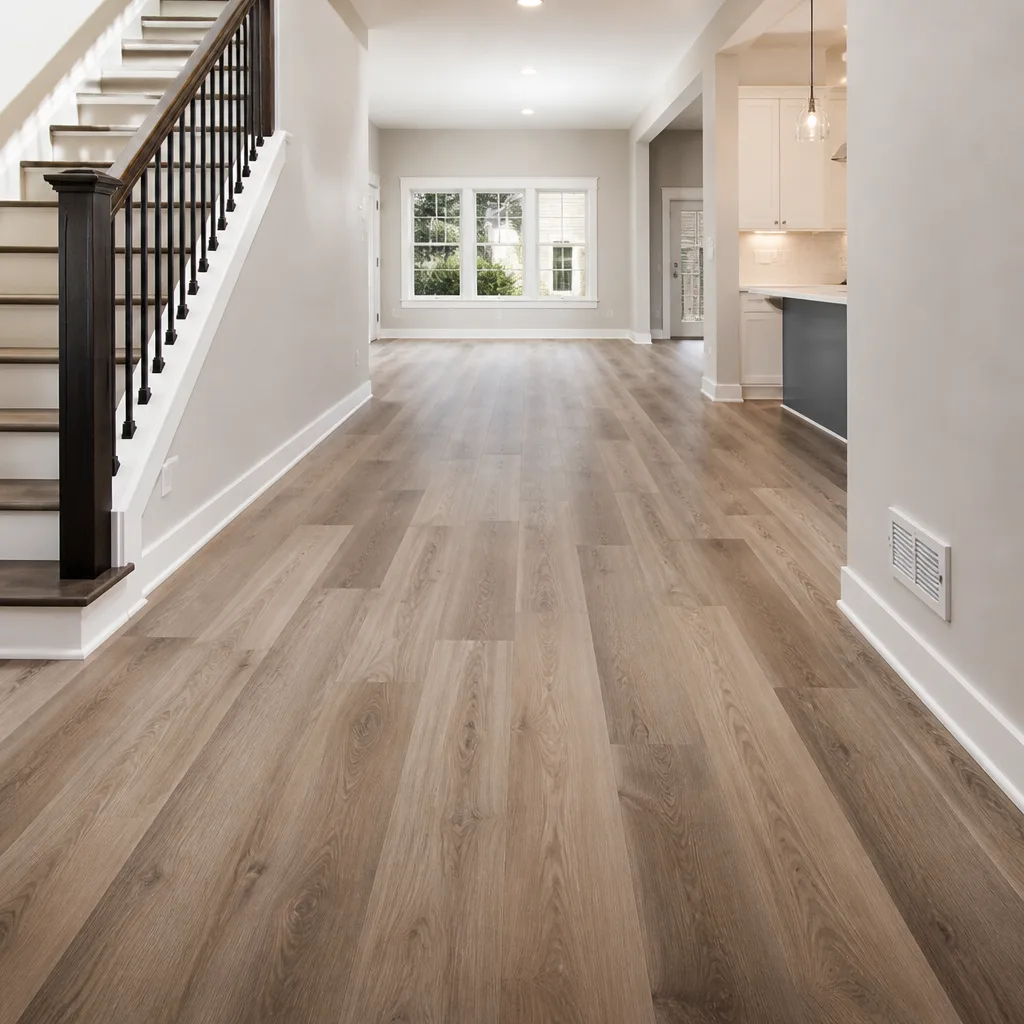 Luxury vinyl plank
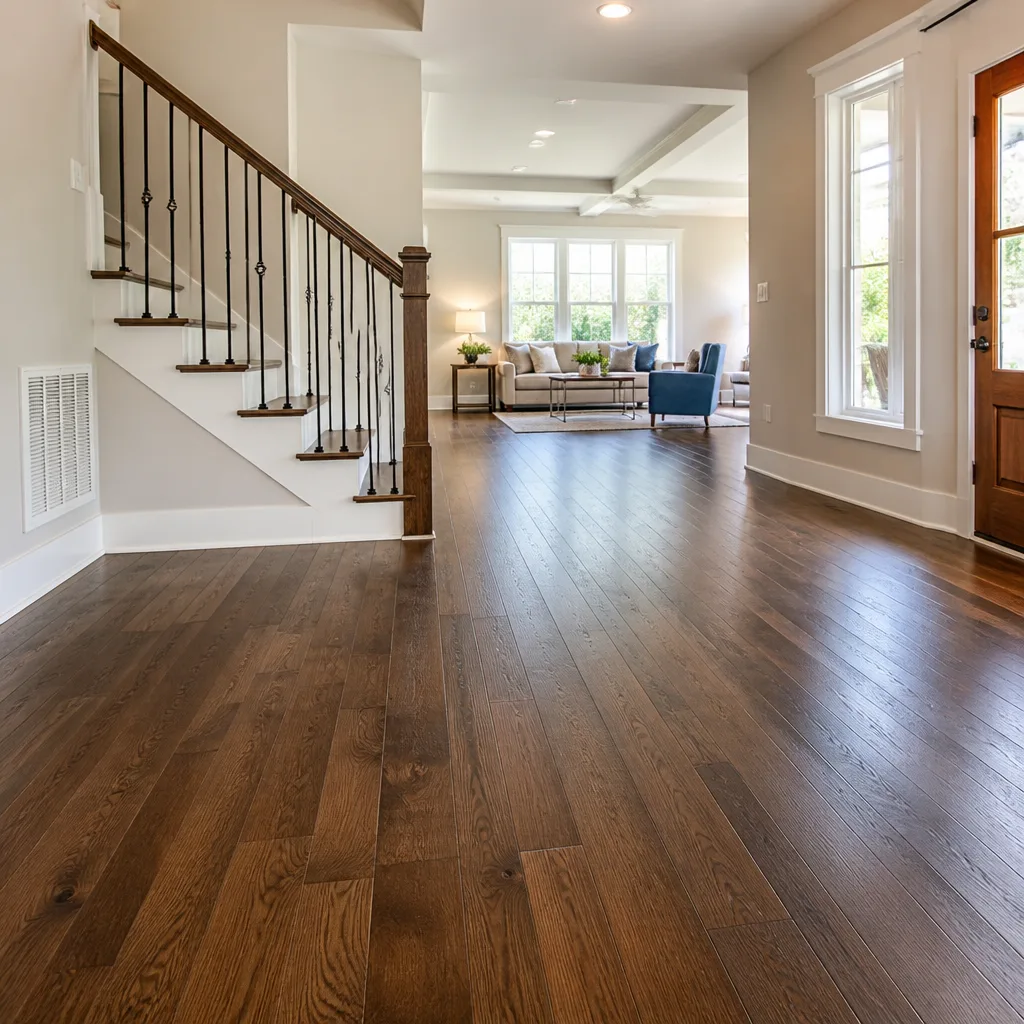 Hardwood
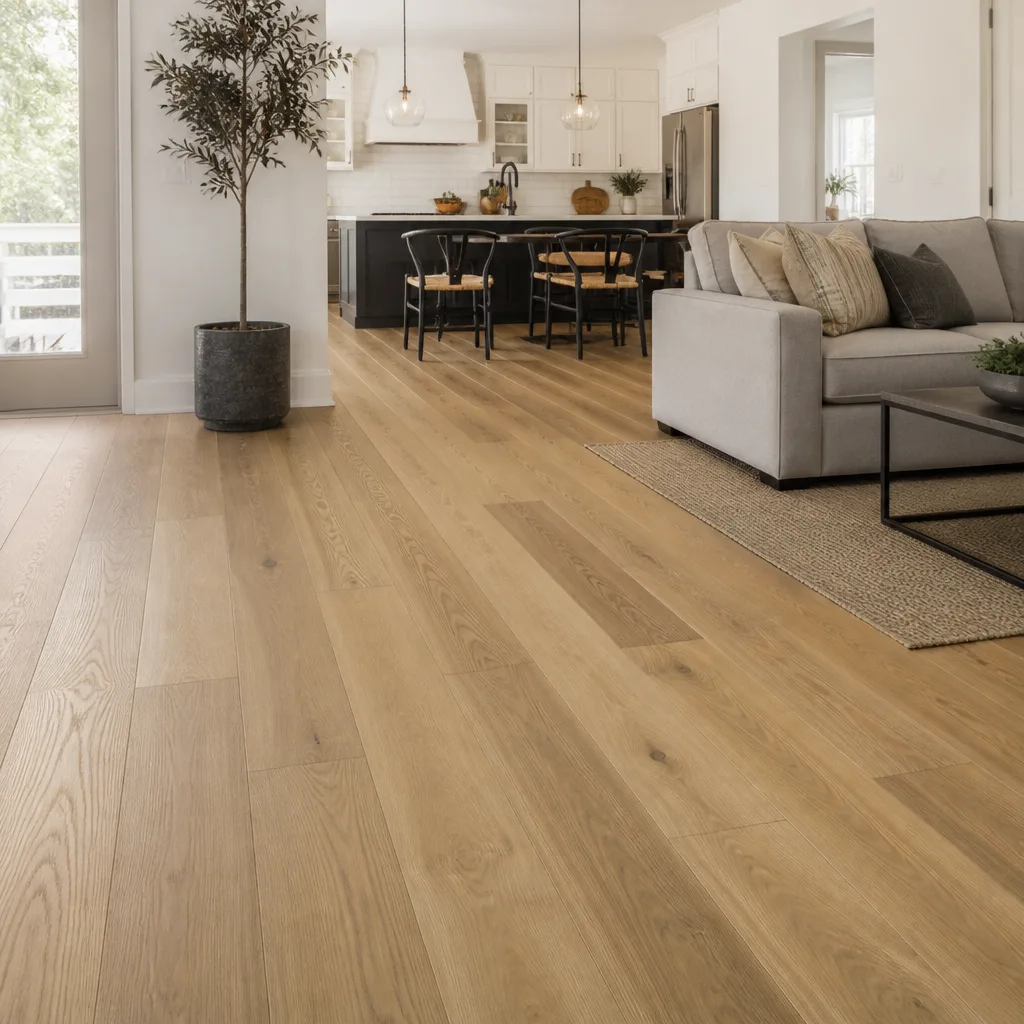 Engineered hardwood
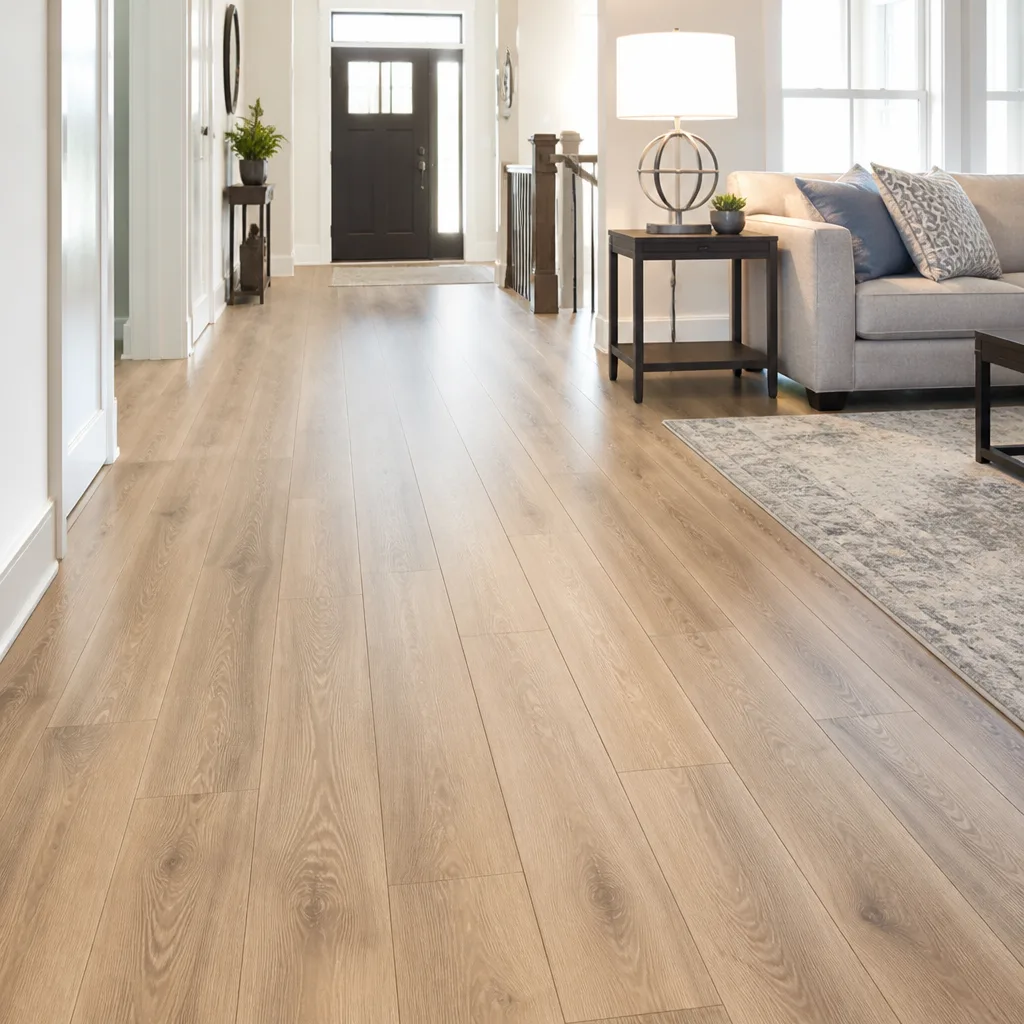 Laminate
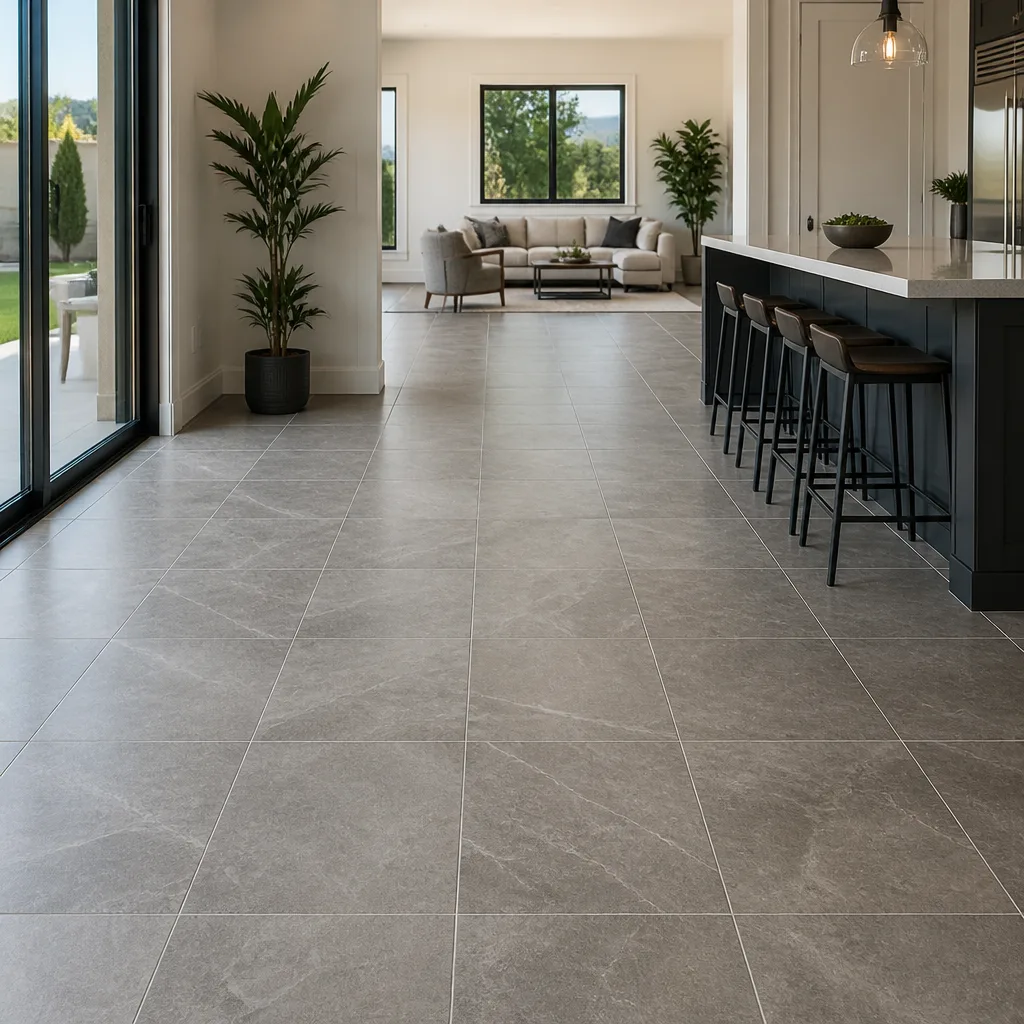 Porcelain tile
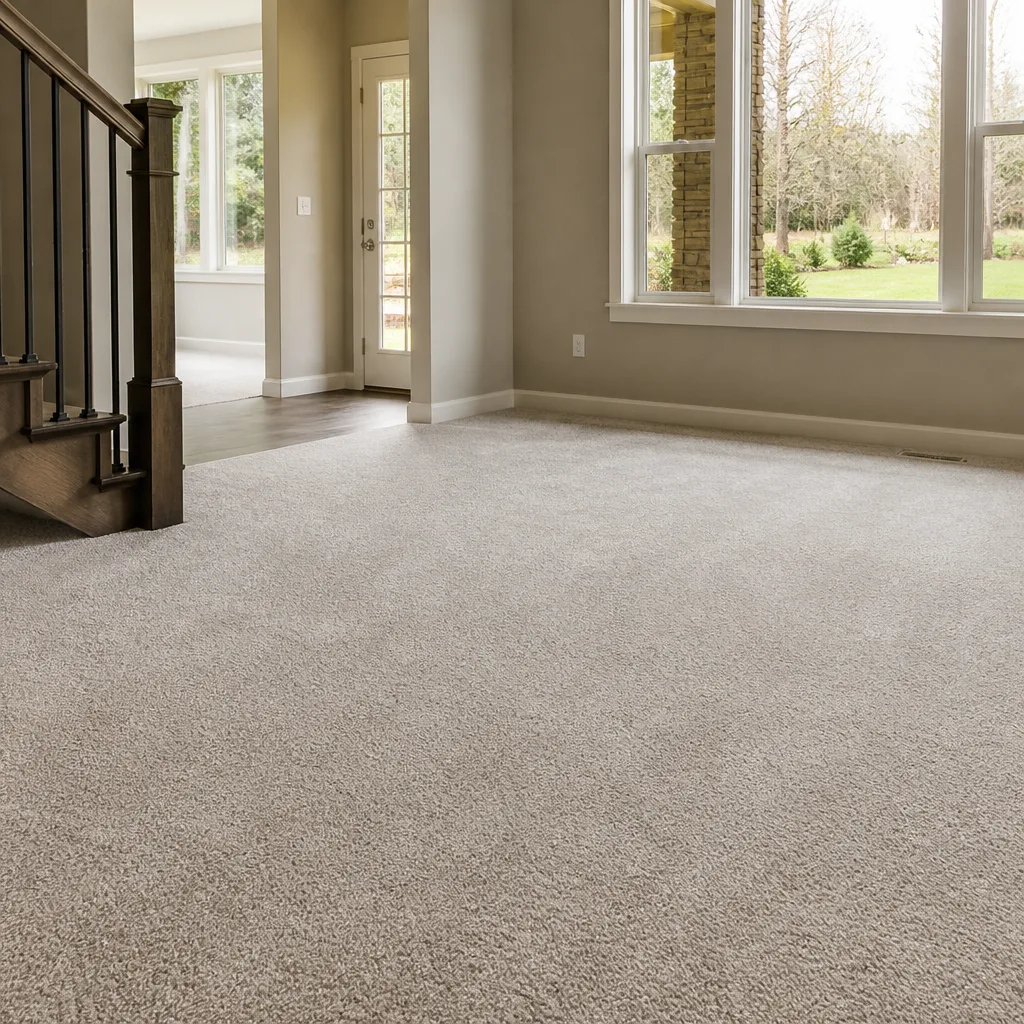 Carpet
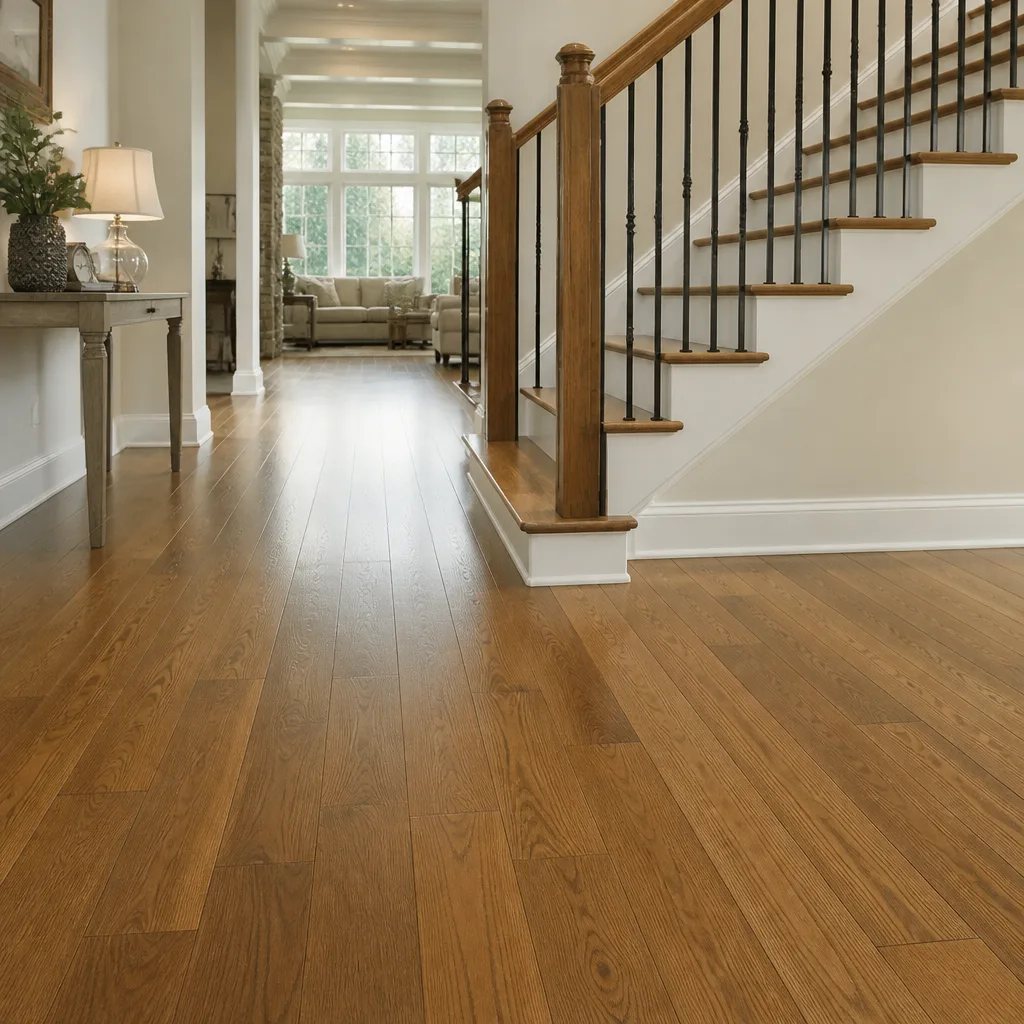 Shaw
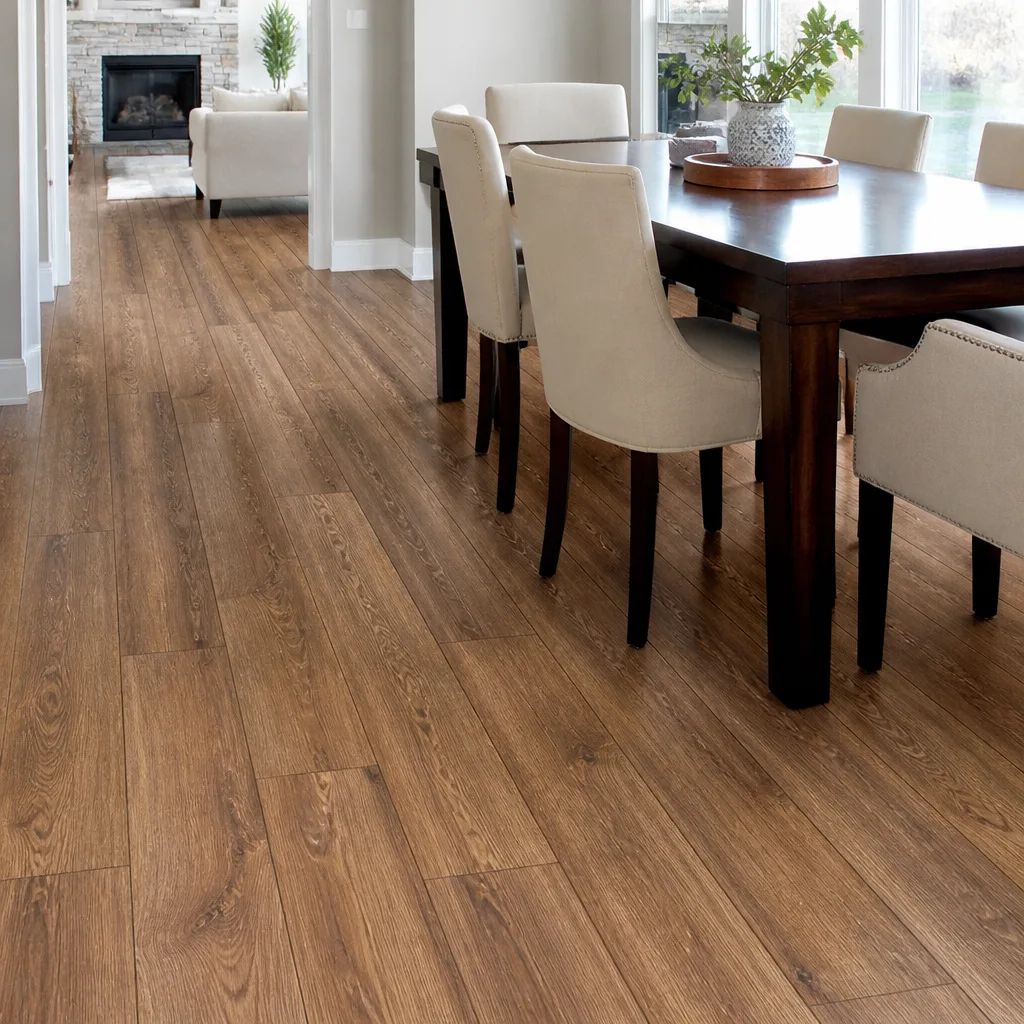 Mohawk
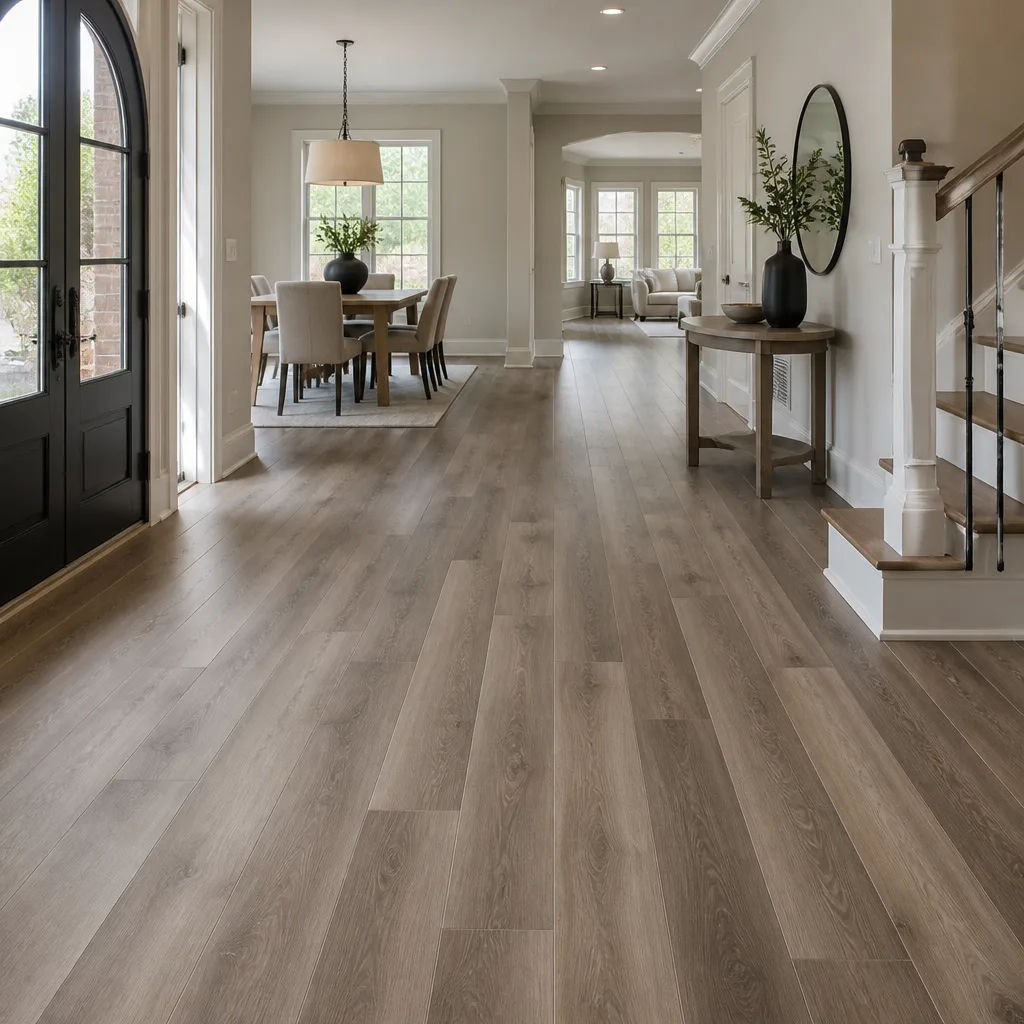 COREtec
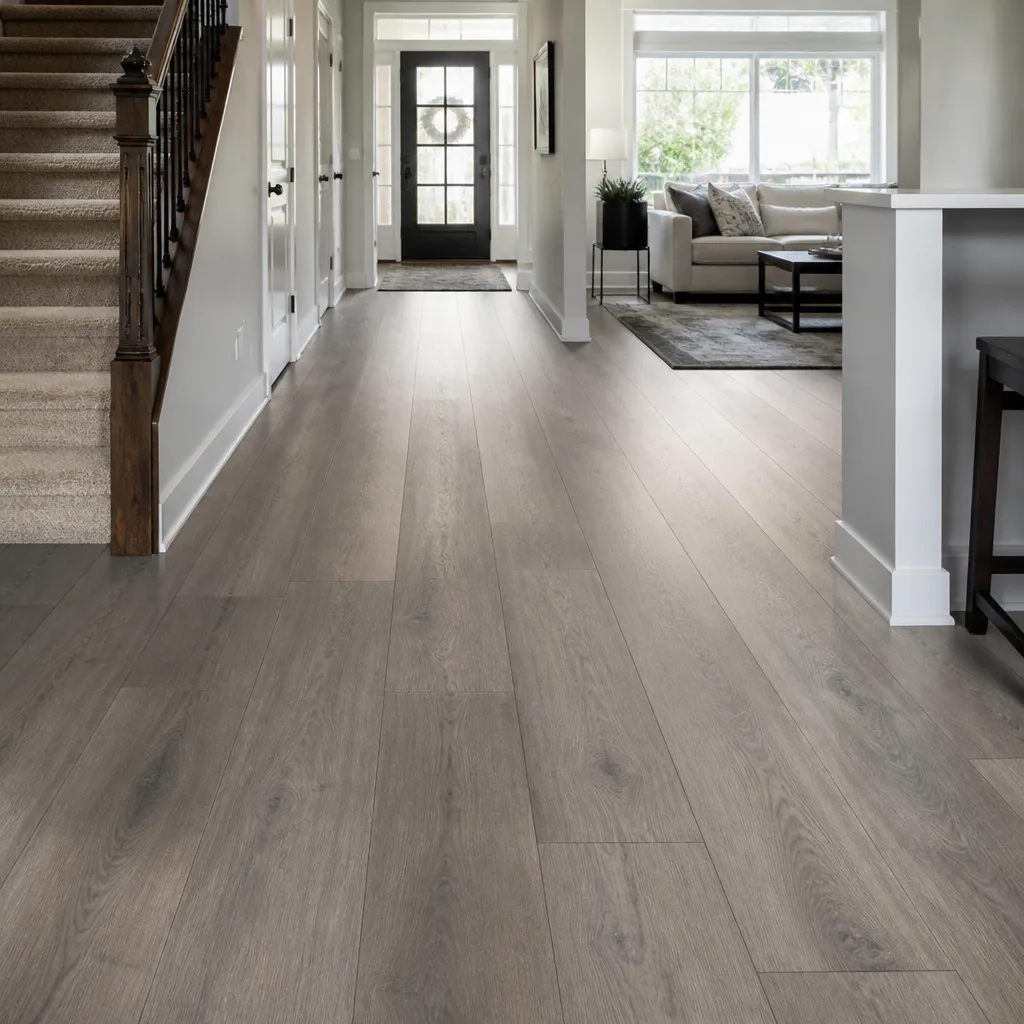 Pergo
Free in-home measure and written estimate: Shaw, Mohawk, COREtec and Pergo lines compared on your own rooms, with carpet, tile, vinyl plank, laminate and hardwood laid out side by side
Get your free estimateHardwood, Vinyl Plank, Laminate or Tile: How Paradise Homeowners Decide
Vinyl plank wins almost every online comparison because the comparison is written by people who sell vinyl plank. Search “hardwood vs. vinyl” and you’ll scroll through ten articles that all end with the same recommendation, usually a product link. The honest answer for your Paradise home depends on three things those articles never ask about: what your subfloor actually is, how you live on the floor, and when you plan to sell. This guide walks through all three, plus slab behavior in desert heat, low winter humidity, the resale math buyers actually run, and a ten-year cost picture that includes refinishing and replacement instead of just the sticker price. By the end you’ll know which material fits your Paradise house and why.
Quick Answer
For most Paradise homeowners, tile wins in kitchens, baths, and entryways, hardwood or engineered wood makes sense in main living areas when you’ll stay put long enough to refinish it, and vinyl plank is the practical choice for basements-in-reverse (garages-turned-rooms), rentals, and busy households that want water resistance without fuss. Laminate works in low-traffic rooms but struggles in Nevada’s dry winter air. The right answer is the one that matches your subfloor and your timeline, not the one with the loudest marketing.
Styles & brands we work with
- Hardwood
- Engineered hardwood
- Luxury vinyl plank
- Laminate
- Porcelain tile
- Carpet
- Shaw
- Mohawk
- COREtec
- Pergo
Table of Contents
- Your Subfloor Comes First: The Concrete Slab Question
- What Paradise Heat and Dry Winter Air Do to Each Material
- Floating, Glue-Down, or Nail-Down: Why the Method Matters in Paradise
- The Honest Resale Conversation
- Laminate’s Real Achilles Heel in Nevada
- Tile’s Underrated Advantage in Paradise Living Areas
- A Side-by-Side Ten-Year Cost of Ownership
- The Three-Question Decision Framework
Your Subfloor Comes First: The Concrete Slab Question
Most Paradise homes sit on a concrete slab, and that single fact eliminates half the options other guides assume you have. You can’t nail hardwood into concrete. You can’t just drop laminate over a slab without a moisture barrier and expect it to survive a summer. Before you pick a color or a plank width, find out what’s under your existing floor and what condition it’s in. At the estimate visit we check for slab moisture, cracks, levelness, and any previous patching, because the subfloor decision drives everything else.
Here’s roughly how each material behaves over a typical Paradise slab:
- Solid hardwood: Requires a plywood subfloor or a sleeper system over concrete. Usually off the table for slab homes unless you build up the floor height.
- Engineered hardwood: Can be glued down directly to a prepared slab or floated over an underlayment. This is the workhorse option for Paradise homeowners who want real wood.
- Vinyl plank (LifeProof, COREtec, Karndean): Almost always floated over a slab, with a moisture barrier underneath. The click-lock systems are designed for exactly this. COREtec planks installed to spec handle slab conditions well when the prep is right.
- Laminate: Floated over a vapor barrier. Very sensitive to moisture coming up from below; a slab that reads wet will fail the floor.
- Tile: Thinset and backer board over a slab, or a crack-isolation membrane on top. The most forgiving material for slab conditions, provided the slab is stable.
If you’re redoing more than one room, it pays to look at the whole house at once. Working with a single installer across surfaces means the transitions between rooms line up and you’re not coordinating three different trades. That’s the advantage of Paradise Flooring Installation covering carpet, tile, and hardwood refinishing under one roof.
What Paradise Heat and Dry Winter Air Do to Each Material
Paradise is a desert valley town, which means two distinct seasons your floor has to survive: summers that push indoor temperatures high when the AC is off during a vacation or a power outage, and winters that drop indoor humidity low enough to make wood and laminate shrink. Neither is fatal, but each one stresses materials differently. Here’s the honest rundown.
- Solid and engineered hardwood: Moves with humidity. In a Paradise home it will gap slightly in winter and tighten in summer. Engineered wood is more stable than solid because the cross-ply core resists that movement, which is one reason we lean toward it in slab homes. Expansion gaps at the walls must be correct; too tight and the floor buckles in summer heat.
- Vinyl plank: Unaffected by humidity, but sensitive to heat. A plank left in a hot garage or a car in direct Paradise sun can warp before it’s installed. Once down and indoors, quality LVP handles the range without issue. Water-resistant planks handle spills; standing water and moisture from below still have to be dealt with.
- Laminate: The most vulnerable to both extremes. Dry winter air pulls the core and opens seams. Summer heat with a failed vapor barrier can cause edge swelling that never recovers.
- Tile: Essentially immune to humidity and heat swings. Grout can crack if the slab moves, but the tile itself doesn’t care about the weather. This is the most temperature-stable material on the list.
Pay attention to what happens in the rooms that face west or south. In a Paradise home those rooms run hotter in the afternoon, and any plank floor there should get the correct expansion gap and a floor that isn’t pushed against the wall on a hot day.
Floating, Glue-Down, or Nail-Down: Why the Method Matters in Paradise
The wrong installation method can turn a good product into a bad floor, and that’s especially true over a Paradise slab. We’ve seen the same LifeProof plank perform perfectly in one home and fail in another because the subfloor prep or the method was off. Here’s how the three methods map to local conditions, in order.
- Assess the slab. Check moisture, cracks, levelness, and any old adhesive. The prep determines which methods are even available to you.
- Choose the method matched to the material. Floating for vinyl plank, laminate, and some engineered wood. Glue-down for engineered hardwood over a slab. Thinset for tile, with a membrane if the slab shows movement.
- Install the vapor barrier correctly. A floating floor over concrete needs a barrier under it, seams lapped to spec. Skip this step and the floor pays for it within a year.
- Leave the right expansion gap. More important in Paradise than in most places because indoor temperature swings are wider. Baseboards and trim hide the gap, not eliminate it.
- Let the material acclimate to the home. The right time depends on the product and the home’s conditions; the product instructions and the written estimate set the rules.
- Book the install day. This is a scheduled job, not a same-day drop-in. A free in-home measure comes first, then a written price, then the install is booked.
Glue-down over a slab is the method that trips up more DIY jobs than any other, which is why engineered hardwood and the more premium vinyl lines like COREtec and Karndean benefit from a professional installation.
The Honest Resale Conversation
Hardwood still commands a premium with Paradise buyers, but only when the home is in a price range where buyers expect it. In an entry-level home, most buyers walk in and read the floor as “new” whether it’s wood or a well-installed vinyl plank. They aren’t running a magnet across it; they’re looking at color, condition, and whether it feels clean. If you’re selling within two to three years, high-quality vinyl plank reads as new to almost every buyer and keeps your budget for other projects.
If you’re staying five years or more, and the home sits in a neighborhood where comparable listings feature hardwood, the premium usually pays. Solid or engineered wood in a main living area signals the kind of finish buyers in that range expect.
- Resale premium from hardwood: Real, but concentrated in mid-to-upper price segments.
- Resale premium from well-installed vinyl plank: Neutral to slightly positive when the color and finish look current.
- Resale premium from laminate: Neutral at best. Buyers often can’t tell it apart from vinyl till they touch it.
- Resale premium from tile: Strong in kitchens and baths, weak in living rooms where buyers want something softer underfoot.
The one mistake we see Paradise sellers make is choosing a floor for the next buyer when they’re planning to stay ten years. If that’s you, choose for how you’ll live on it.
Laminate’s Real Achilles Heel in Nevada
Laminate has a fine reputation in most of the country and a rough one in dry desert climates. The core is the issue. Laminate’s core is made of high-density fiberboard, and fiberboard moves with humidity. In a Paradise home, indoor humidity drops low in winter, which pulls the core together and opens seams; in a wetter season or after a leak, it swells, and swelling doesn’t reverse. Over five years, a laminate floor in a dry-climate home will show more seam gapping and edge wear than the same product would in a humid climate. It’s not a knock on laminate as a category. It’s a climate reality you should plan around.
That’s one reason we bring carpet installation and other softer options into the conversation for bedrooms and low-traffic rooms where laminate might otherwise be tempting. Carpet holds up to dry air better than laminate does, and in a bedroom it costs less and feels better underfoot.
If you do want laminate, keep it to rooms with steady humidity and away from kitchens, baths, and utility spaces where a small leak could ruin the whole floor. And skip the trap of comparing laminate to vinyl plank on price alone; the two products age very differently in a desert house.
Tile’s Underrated Advantage in Paradise Living Areas
Tile gets labeled as a kitchen-and-bath material and gets overlooked for living areas in Paradise. That’s a missed opportunity. Tile has three advantages most guides underplay, and it also has one real drawback worth naming.
The advantages: thermal mass, longevity, and zero expansion concern. A tile floor absorbs afternoon heat and releases it slowly, which in a Paradise home with strong afternoon sun makes the living room feel steadier than a wood or vinyl floor does. Tile lasts for decades with almost no maintenance beyond grout sealing when needed. And it doesn’t move with humidity or temperature at all, which means no gapping, no buckling, no acclimation window before installation. Professional tile sourced through Daltile gives you access to a large-format line not typically sold through retail channels, and installing it correctly is as important as choosing it.
The drawback: tile is hard underfoot and cold in winter. In bedrooms and playrooms that’s usually a dealbreaker; in kitchens, baths, entryways, and any room that sees water, it’s rarely a problem. Area rugs soften the living room without giving up the durability.
For Paradise homes with a big open plan, the strongest layout we see is tile in the wet and high-traffic zones, transitions into hardwood or engineered wood in the living core, and carpet in the bedrooms. That’s a full-house plan, and it’s the kind of plan a single installer can carry from measure to finished floor.
A Side-by-Side Ten-Year Cost of Ownership
Sticker price is only the first number. Here’s how the four materials compare over a ten-year horizon in a typical Paradise home, assuming a mid-size living area and standard care. Ranges are typical estimates for the categories involved; the written estimate for your home is what sets the actual price.
- Engineered hardwood: Higher upfront cost. One refinish cycle possible mid-life depending on the wear layer. Minimal day-to-day maintenance. Ten-year cost is steady and predictable. Solid wood can usually be refinished more times, but only over a wood subfloor.
- Vinyl plank (LifeProof, COREtec, Karndean): Moderate upfront cost, no refinishing, moderate replacement likelihood in high-traffic rooms after a decade. Money goes in once, plus minor repairs.
- Laminate: Lowest upfront cost of the four, but highest likelihood of needing full replacement in dry climate conditions over ten years. The savings at install time are sometimes eaten by replacement.
- Tile: Higher upfront cost, near-zero ongoing maintenance, essentially no replacement likelihood. Over ten years tile usually wins on total cost in any room where it makes sense to install it.
Two wildcards are worth naming: moisture and pets. A small leak under a vinyl plank floor is a repair; under laminate it’s often a replacement. Pets will leave marks on wood, and their nails wear vinyl plank over time, while tile shrugs it off. If you have a large dog and a slab home, tile in the living areas saves money over ten years.
If any of these scenarios describe your floor plans, our tile flooring installation work is often the piece that anchors a whole-house budget.
The Three-Question Decision Framework
Forget the product reviews for a minute and answer three questions about your own home. The answers point to a material faster than any comparison chart.
- What’s under your floor? Concrete slab narrows the field to engineered wood, vinyl plank, laminate (with care), or tile. A wood subfloor opens up solid hardwood. Get this checked first, before you fall in love with a color.
- How do you live on the floor? Big dogs, kids, and frequent entertaining push toward tile or vinyl plank. A quiet household that takes off shoes at the door can live happily on engineered wood. Renters and frequent movers: vinyl plank.
- When will you sell? Under three years: vinyl plank delivers the new-floor look without the install cost of wood. Five years or more: hardwood earns its keep. Ten years or more: tile and hardwood both pencil out; pick the one that matches the room.
Once you’ve answered those, the brand conversation gets easier. With nine brands in our portfolio, we can match the material and finish you’ve chosen to a product line that actually fits it, whether that’s a LifeProof plank for a busy hall or a Daltile tile for a bathroom. That’s the value of broad brand access: you’re not steered toward whatever a single manufacturer happens to push this quarter.
The framework is also honest about when the answer isn’t one material for the whole house. In a Paradise home it usually isn’t.
Common Mistakes to Avoid
- Choosing a material before checking the subfloor. Solid hardwood can’t be nailed into concrete, and laminate over a wet slab will fail. Have the subfloor assessed at the estimate visit, before you pick a product.
- Trusting the “waterproof” label on vinyl plank to mean it’s immune to moisture. It’s water-resistant, which is not the same thing. Standing water and moisture creeping up from below still have to be managed with the right barrier.
- Installing laminate in a Paradise bathroom or laundry. Dry winters already stress the core; a small leak finishes the job. Keep laminate to bedrooms and dry living areas.
- Skipping the expansion gap to make the floor look tighter. In Paradise heat, a floor pushed tight against the wall buckles. Baseboard trim is designed to hide the correct gap, not eliminate it.
- Choosing for resale when you plan to stay put. If you’re staying ten years, pick the floor you want to live on. Buyer preferences change; your daily life doesn’t.
- Buying flooring from a big-box store and expecting the installer to make it work. Product selection and installation aren’t the same skill. The floor’s longevity depends on getting both right.
- Assuming tile is only for kitchens and baths. In a Paradise open-plan home, tile in living areas helps with summer afternoon heat and lasts for decades. Don’t write it off too early.
See the difference
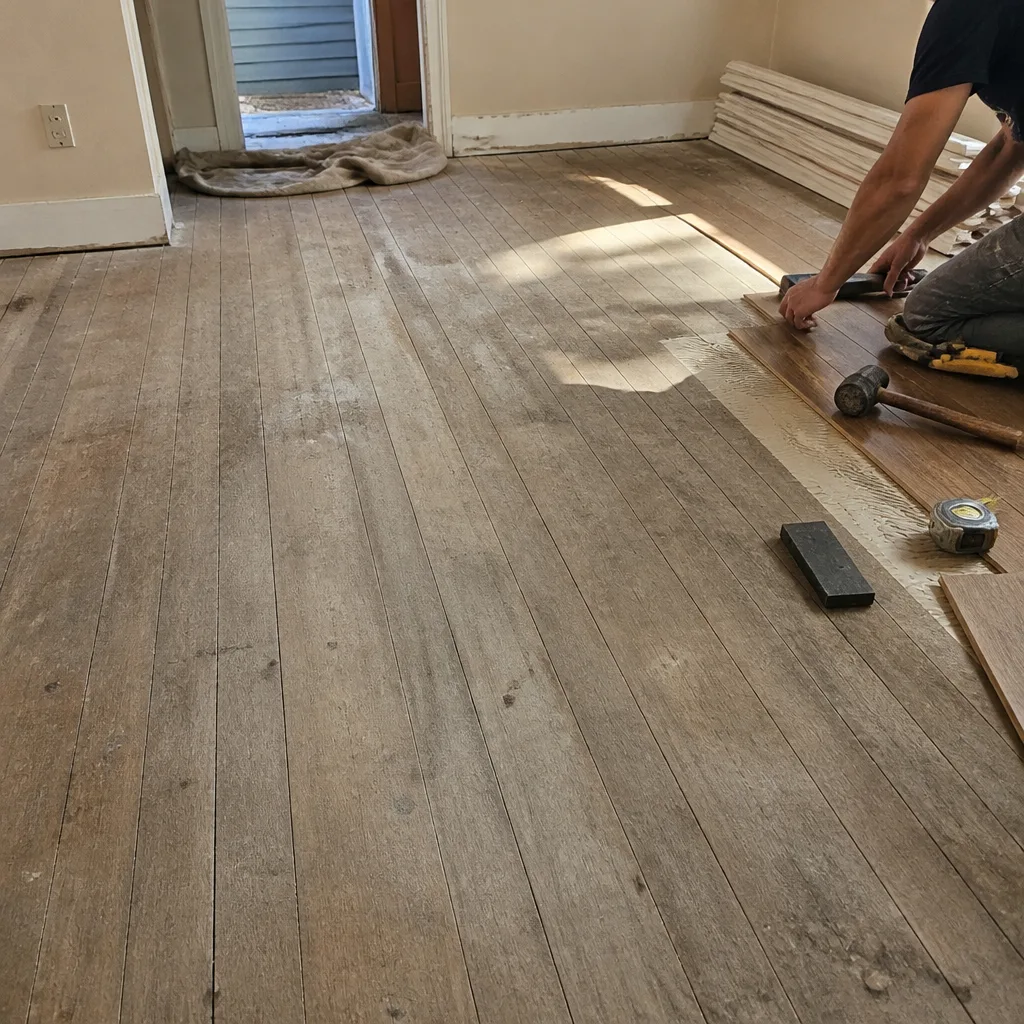 Before
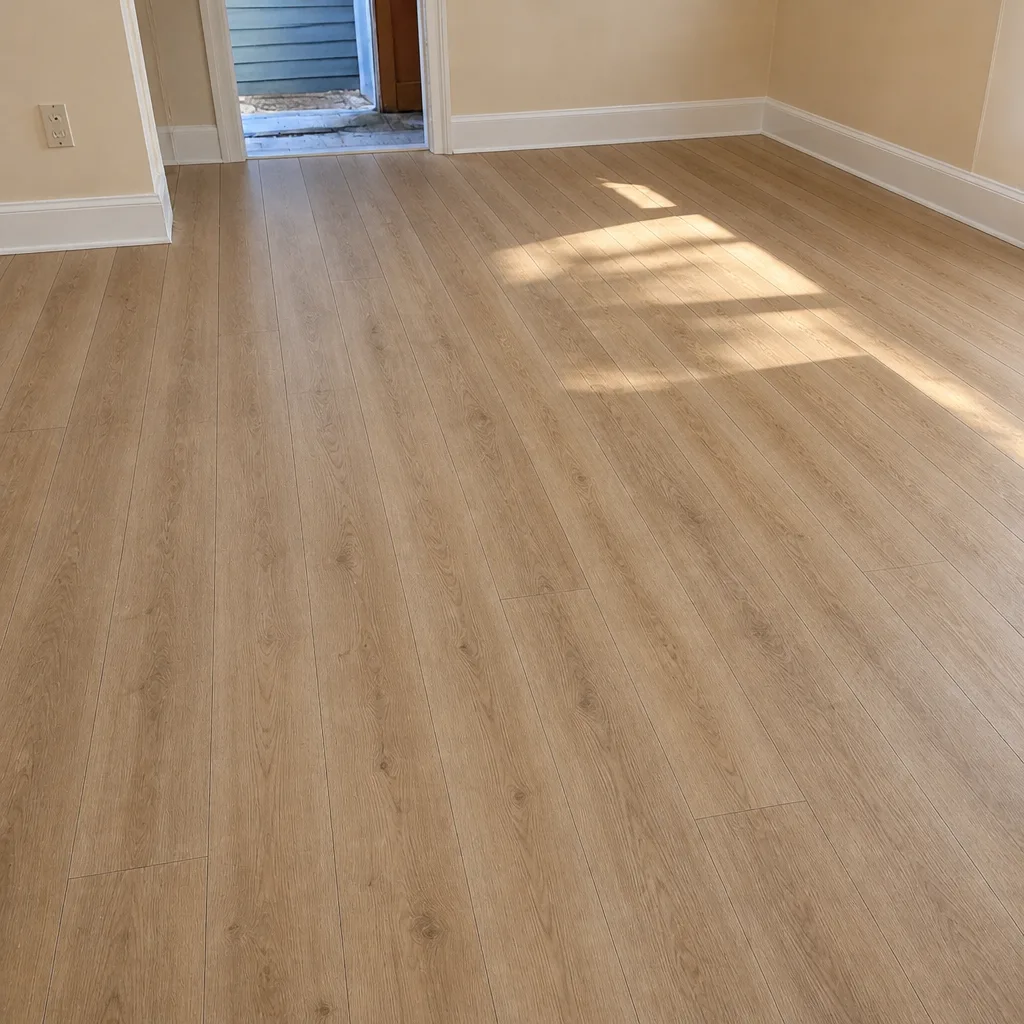 After
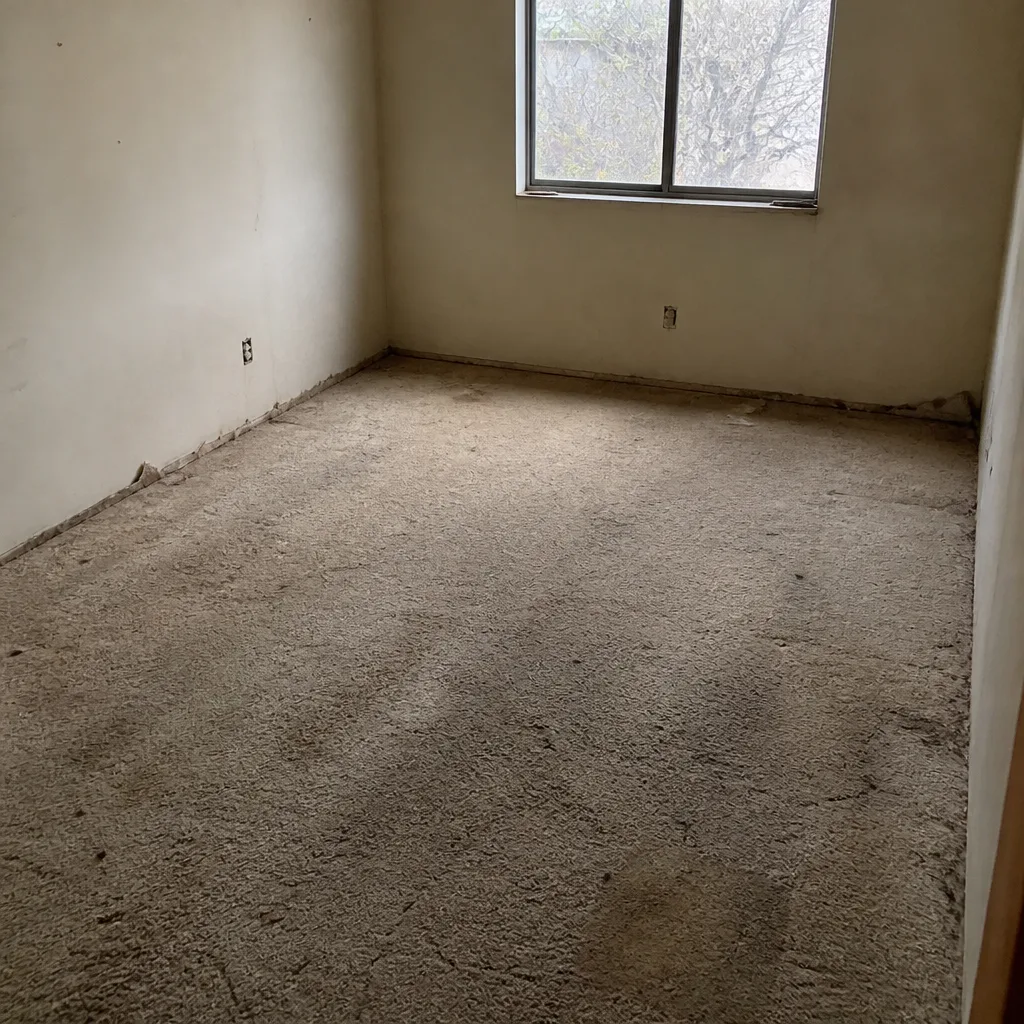 Before
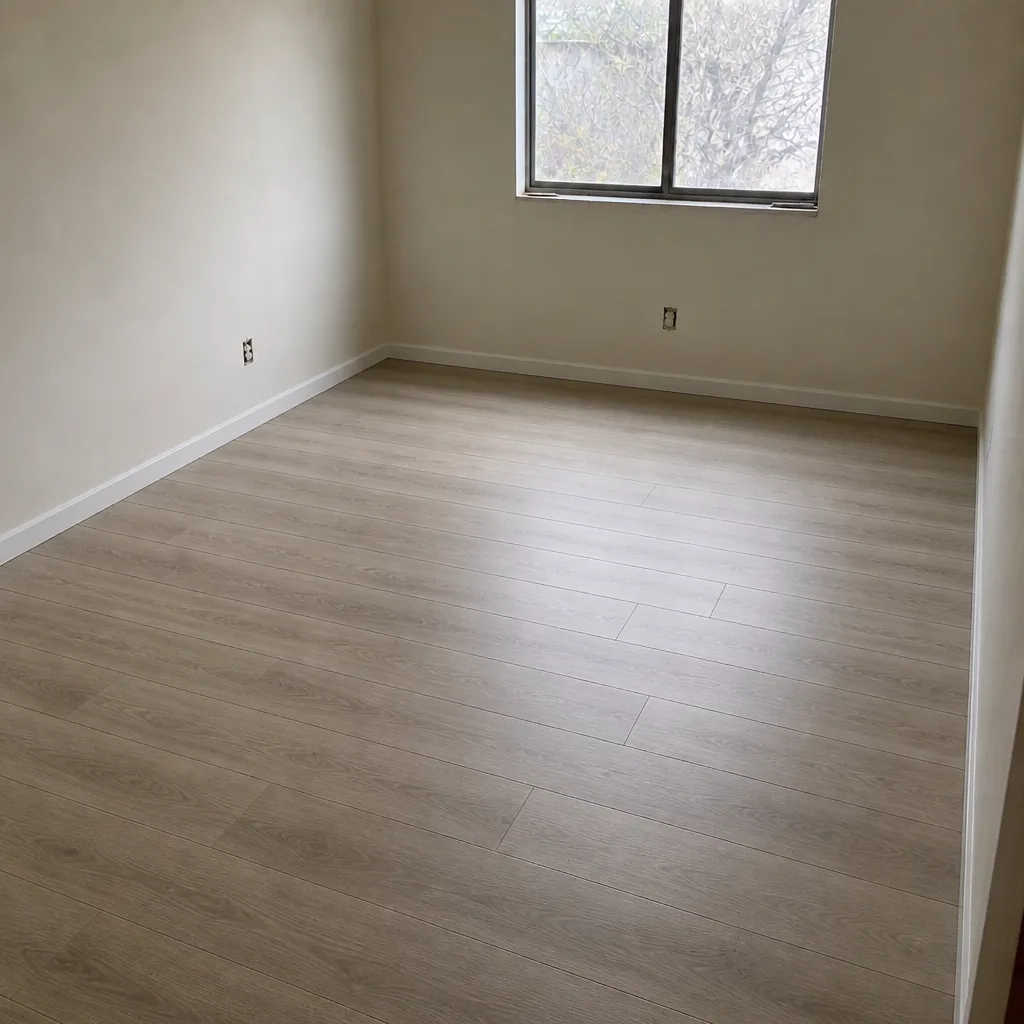 After
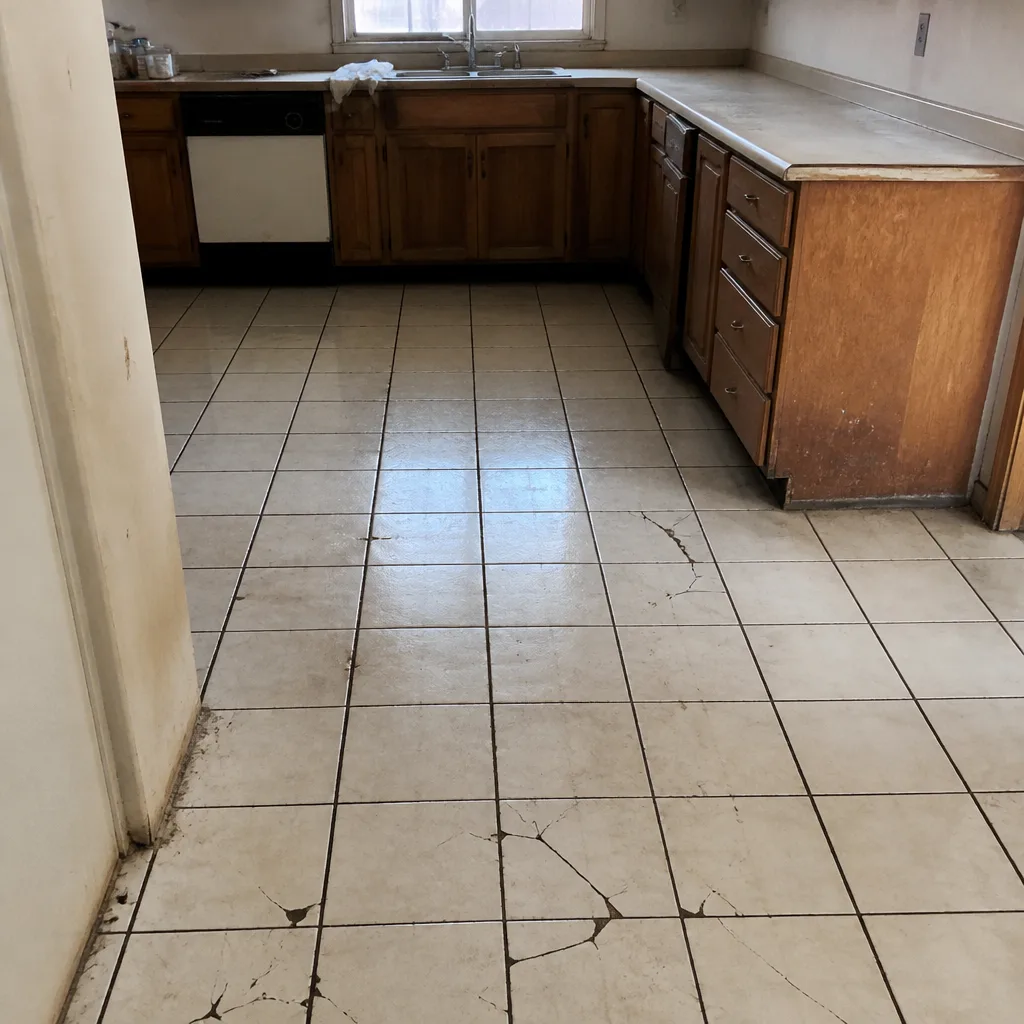 Before
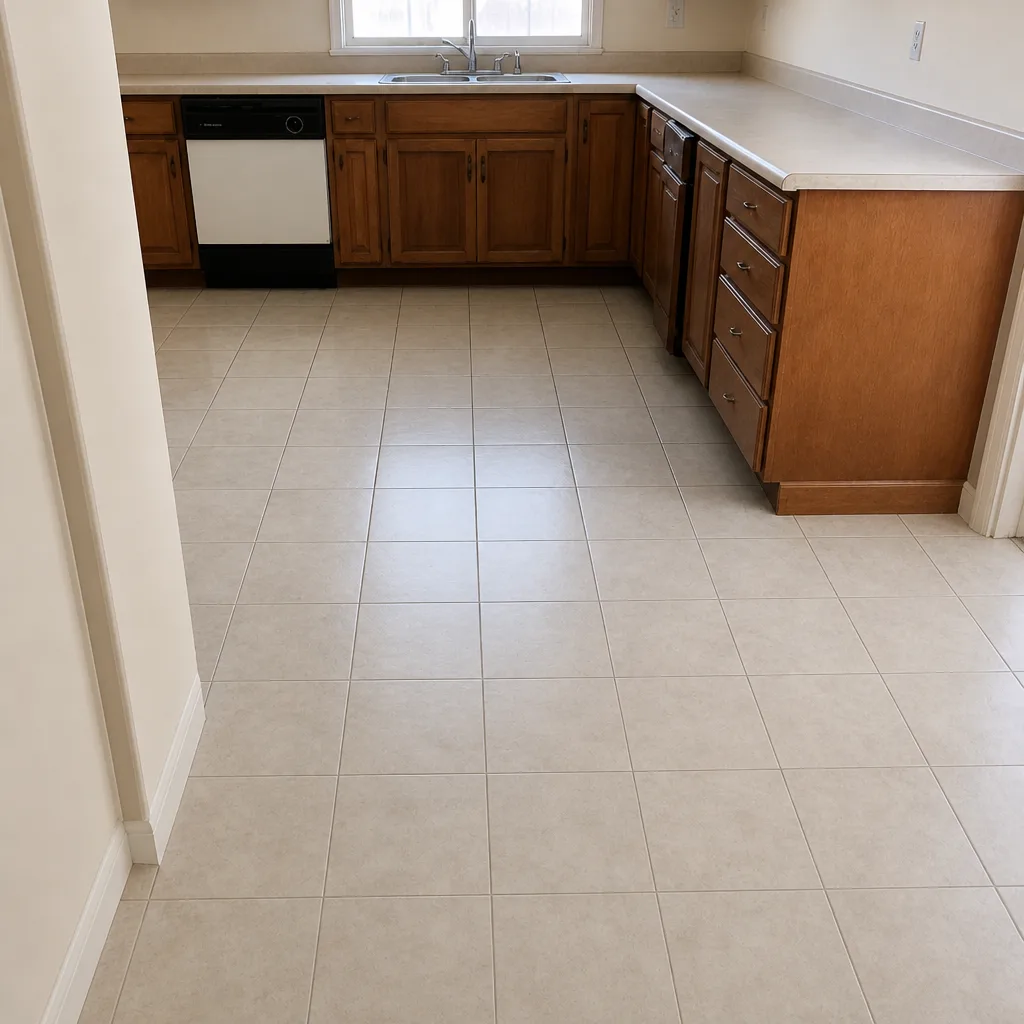 After
When to Call a Professional
Some flooring decisions are safe to make in an afternoon; others should involve someone who has installed the material in this climate. Call us when you’re choosing between materials and want a straight read on which one fits your subfloor, when the existing floor is buckling or gapping and you need to know whether to repair or replace, when you’re planning a whole-house floor and want to make sure the rooms transition cleanly, or when the material you’ve chosen (engineered hardwood, COREtec, Karndean, or large-format tile) requires an installation method that DIY jobs routinely get wrong. Our technicians have up to 11 years of experience across these materials, and Paradise Flooring Installation offers free estimates in Paradise – call (844) 651-6528 to schedule yours.
Frequently Asked Questions
No, it isn’t “better” – it’s better suited to certain homes and worse suited to others. Vinyl plank wins on water resistance, install cost, and price predictability. Hardwood wins on resale premium, refinishing, and the feel of a real wood floor underfoot. In a Paradise slab home, engineered hardwood and quality vinyl plank are both reasonable choices; the right one depends on your timeline and how you live. Call (844) 651-6528 for a free estimate – we’ll walk the home and give you a specific recommendation, not a sales pitch.
Nevada’s dry winter air pulls on laminate’s fiberboard core, opening seams over time, and summer heat with a failed vapor barrier can cause edge swelling that doesn’t reverse. Laminate isn’t the problem; the climate is. It’s fine in bedrooms and dry living areas, but skipping it in bathrooms and laundries is the safer call.
Not solid hardwood nailed down; that requires a wood subfloor. Engineered hardwood, which has a cross-ply wood core, can be glued down over a properly prepared slab or floated, and that’s the practical wood option for most Paradise slab homes. The estimate visit confirms whether your slab is suitable.
Tile is the most forgiving choice in living areas – it doesn’t scratch, doesn’t retain water, and takes decades of use without needing replacement. Vinyl plank is the next best option; it handles nails and accidents well but wears in high-traffic paths over a decade. Hardwood is at the end of that list because dogs will leave marks. Call (844) 651-6528 to talk through the specific rooms.
It depends on the material, the square footage, and the prep. Carpet and vinyl plank go faster; tile and hardwood refinishing take longer. The schedule is set at the estimate, after we’ve measured the rooms and checked the subfloor. There’s no fixed time we can quote before that visit.
Yes. We come to your home, measure the space, check the subfloor, and write up a price with no obligation. Call (844) 651-6528 to schedule – estimates are free, and the written estimate is what sets the final price.
The Bottom Line
The hardwood-versus-vinyl debate has been answered a hundred times by people selling vinyl. For your Paradise home, the answer starts with the slab, follows your lifestyle, and lands on your timeline. Tile wins where it’s wet or heavily trafficked and often wins the ten-year cost comparison. Engineered hardwood earns its premium when you’re staying long enough to refinish it. Vinyl plank is the practical floor for busy homes and short timelines. Laminate works in the right rooms but struggles in dry air. Match the floor to your subfloor and your life, and you’ll get the floor your space has been waiting for.
Ready to make the choice? Call (844) 651-6528 for your free estimate. We answer 24/7. Fast dispatch from 7am to 7pm, Sunday through Friday. Paradise Flooring Installation serves homeowners across Paradise with carpet, tile, and hardwood refinishing – nine trusted brands, one installation team.
Written by the team at Paradise Flooring Installation.