
Last updated November 17, 2026
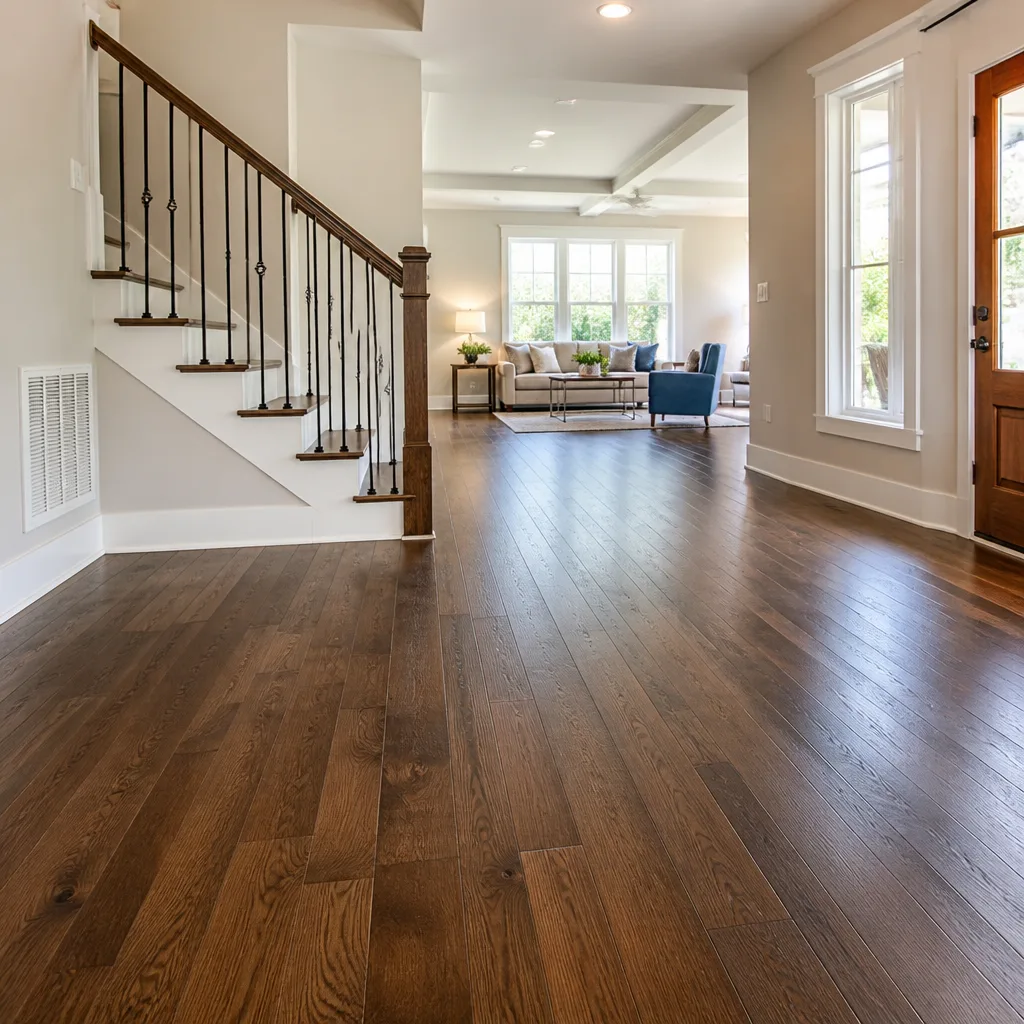 Hardwood
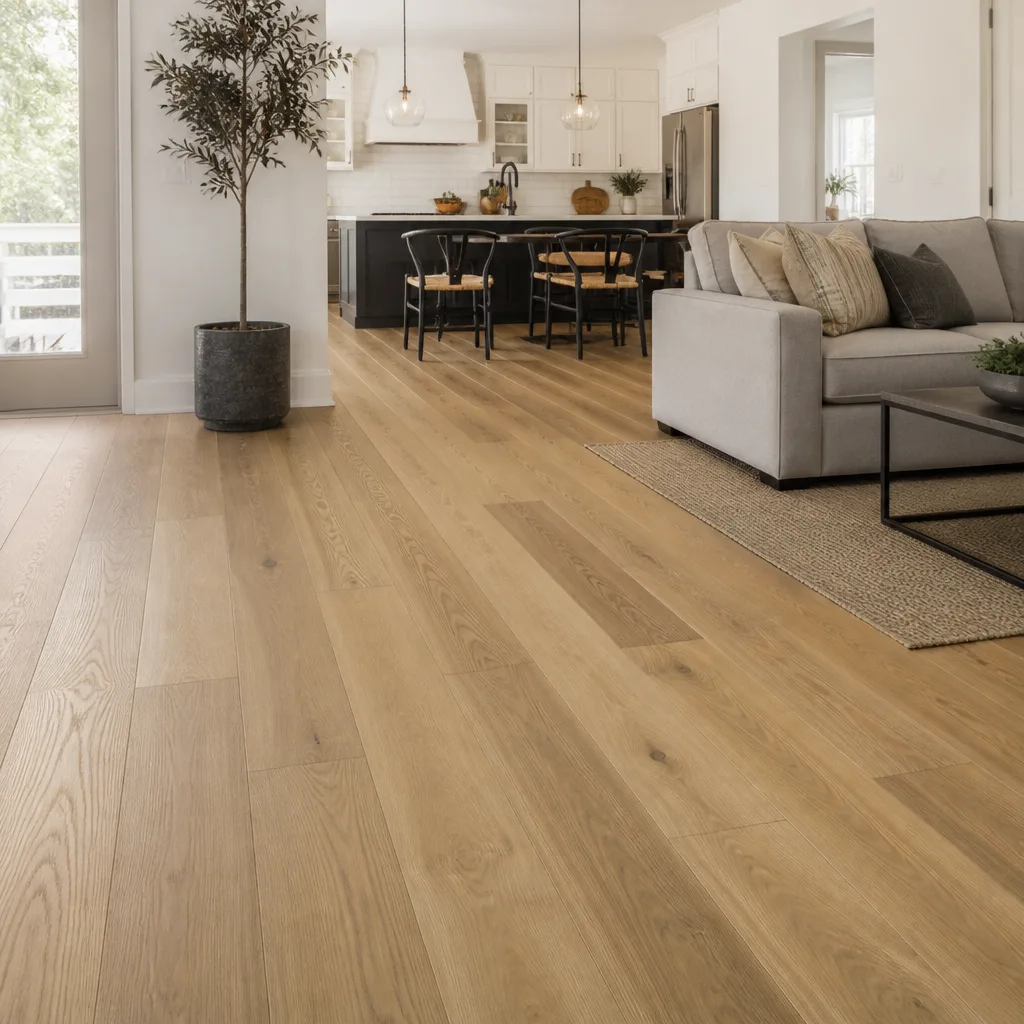 Engineered hardwood
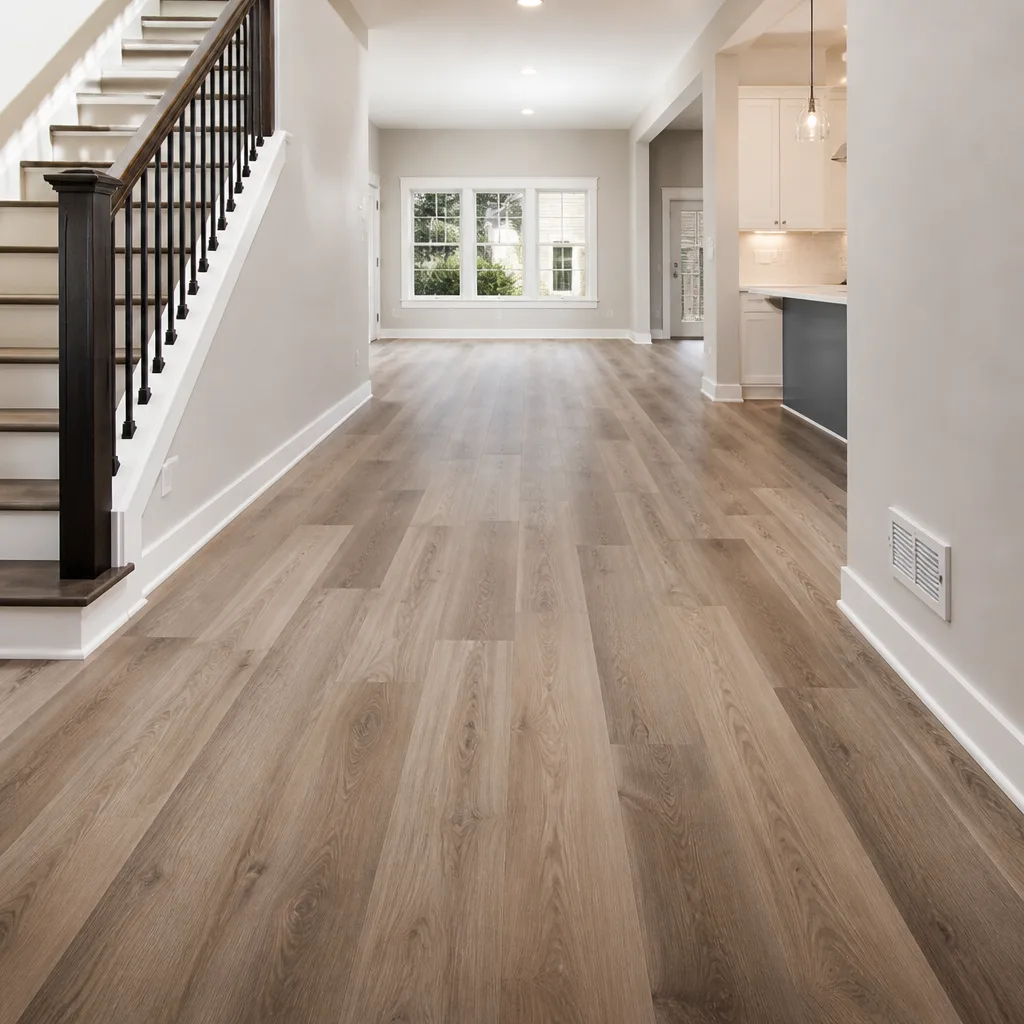 Luxury vinyl plank
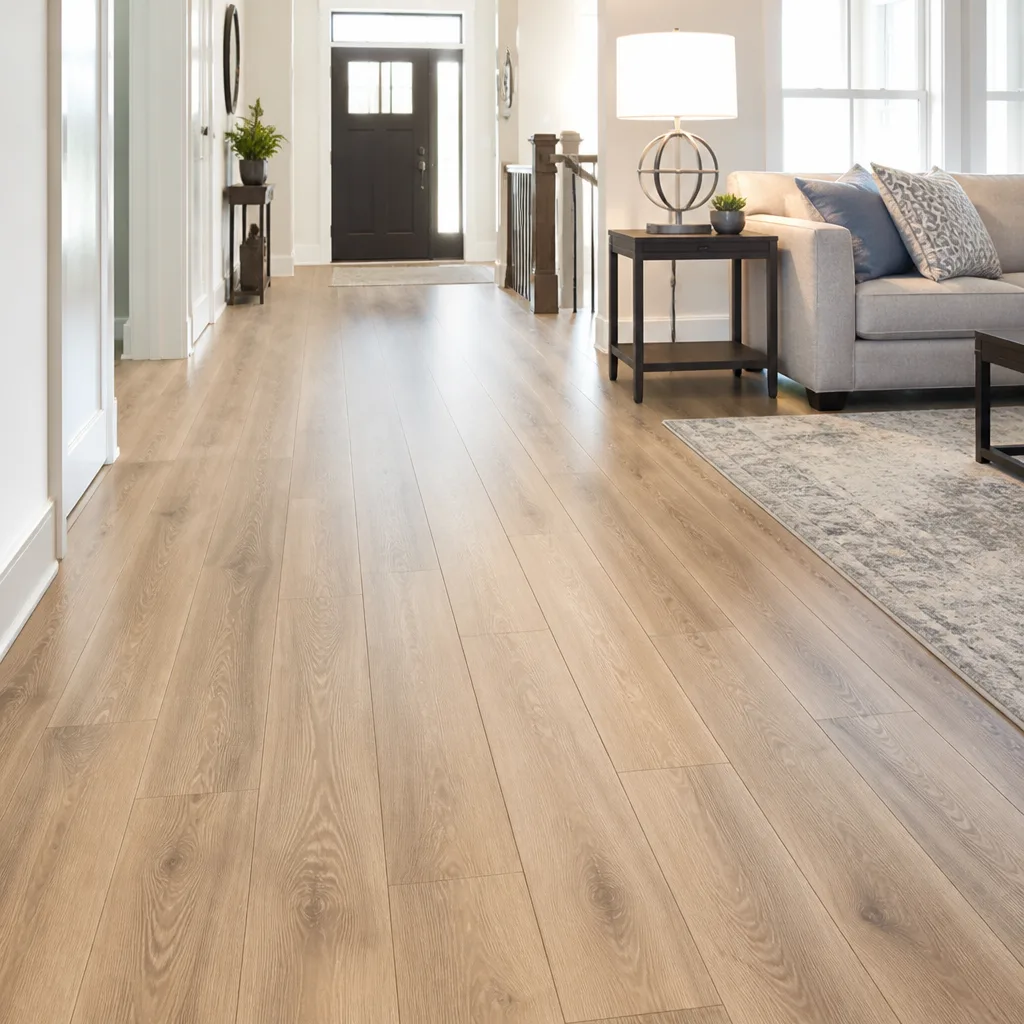 Laminate
 Porcelain tile
 Carpet
 Shaw
 Mohawk
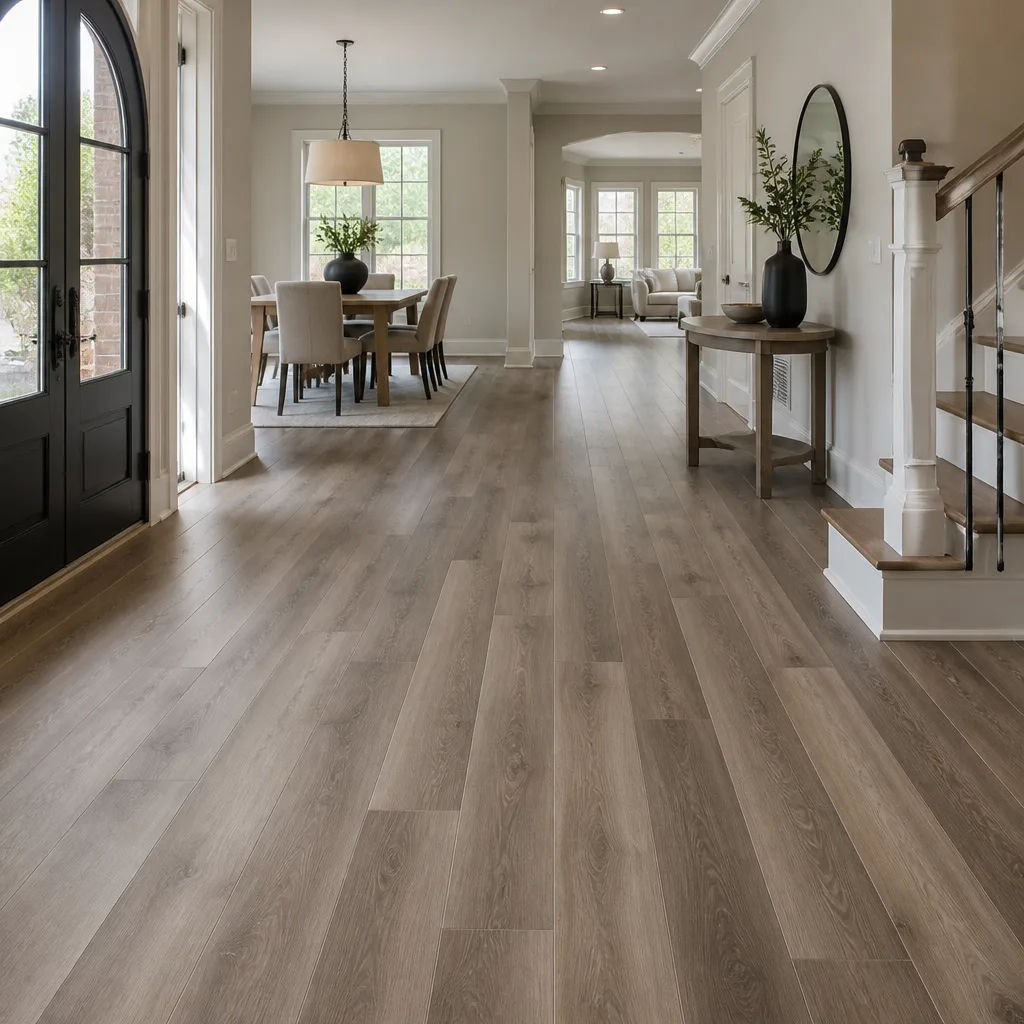 COREtec
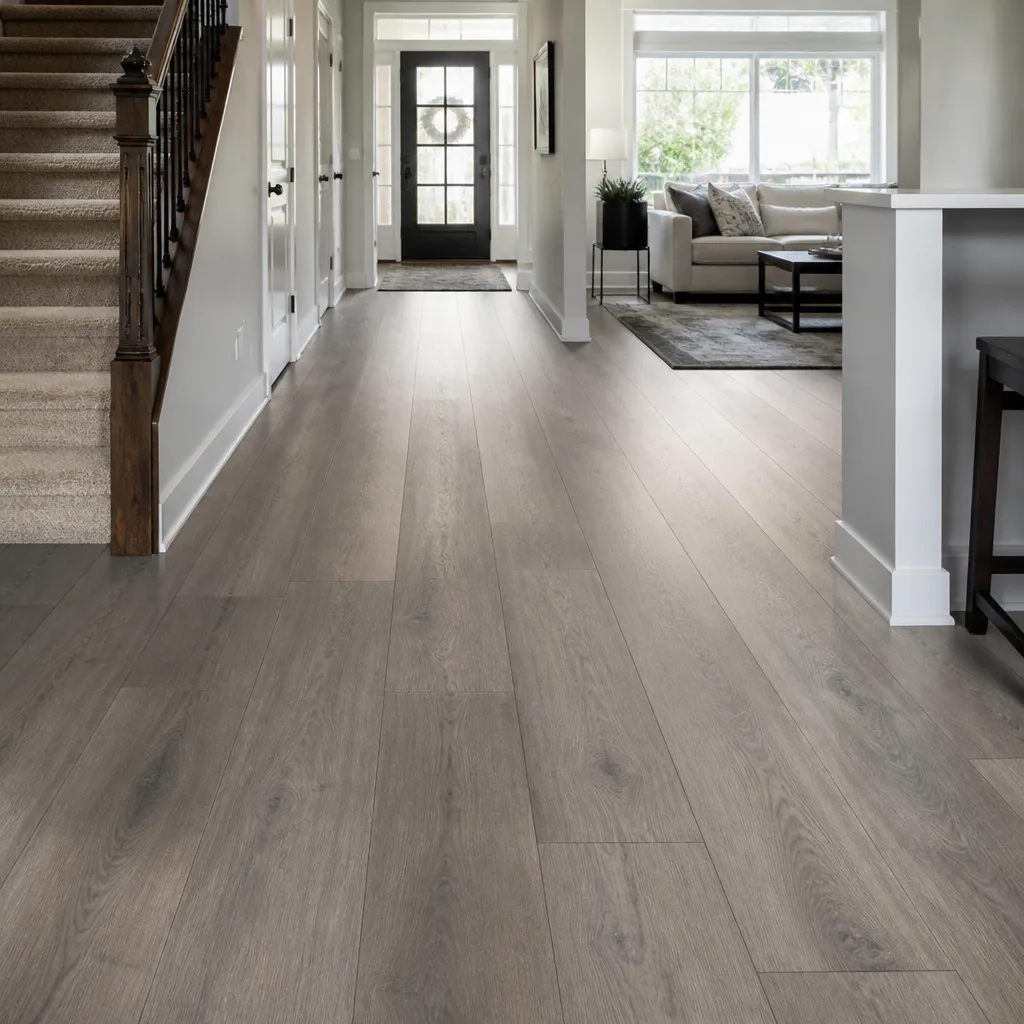 Pergo
Free in-home measure and written estimate: Shaw, Mohawk, COREtec and Pergo lines compared on your own rooms, with carpet, tile, vinyl plank, laminate and hardwood laid out side by side
Get your free estimateHow Paradise’s Climate Can Affect Your Flooring Choice
Most flooring advice is written for a temperate climate that doesn’t exist here. Solid hardwood is treated as the premium standard almost everywhere, yet in Paradise the same material can cup, gap, and crown within a couple of seasons because the air around it swings from bone-dry to monsoon-humid and back. The desert edge of the Mojave doesn’t just make floors hot. It subjects them to a daily and seasonal stress cycle that quietly reshapes what “good flooring” means. In this guide we’ll explain the physics behind that cycle, why your concrete slab is the hidden variable, which materials actually hold up in Paradise, and what construction details matter more than the brand name on the box.
Quick Answer
The best flooring for a Paradise, NV climate is a dimensionally stable product that tolerates big humidity swings, not a moisture-sensitive solid. In practice that means engineered wood, SPC rigid-core vinyl such as COREtec or LifeProof, porcelain tile, and modern synthetic carpet. Solid hardwood and high-density fiberboard cores are the categories that struggle most here, because they expand and contract with a humidity range that can move from single digits to 60%+ in a matter of weeks. For the dry seasons, stability is king; for the monsoon, moisture tolerance wins.
Styles & brands we work with
- Hardwood
- Engineered hardwood
- Luxury vinyl plank
- Laminate
- Porcelain tile
- Carpet
- Shaw
- Mohawk
- COREtec
- Pergo
Table of Contents
- Why Paradise’s Temperature Swings Matter More Than the Heat Itself
- The Monsoon Humidity Swing and What It Does to Floor Cores
- The Concrete Slab Under Most Paradise Homes
- How Each Flooring Category Handles the Paradise Climate
- The Construction Specs to Look For (Not Just Brand Names)
- Tile’s Thermal Mass: Comfort or a Trap?
- Room-by-Room Recommendations for Paradise Homes
Why Paradise’s Temperature Swings Matter More Than the Heat Itself
The headline number people worry about is the daytime high, but the figure that actually damages floors is the spread between afternoon and overnight. Paradise sits at the desert edge, where summer days can push past 110°F and nights commonly drop 25 to 35 degrees. That’s a diurnal temperature swing, and it happens almost every day of the summer. Your floor is too large to move as a single unit, so each plank or tile expands and contracts against its neighbors slightly differently. In summer the attic and subfloor surface temperatures can climb past 140°F, which is where solid hardwood starts to lose moisture fast and gap at the seams. Installers call the outcome shrinkage failure. It isn’t a manufacturing defect. It’s what happens when wood is asked to live through a thermal cycle it was never dried for.
Over two to three seasons, that daily expansion-contraction cycle accumulates. Planks that looked tight on move-in day develop visible gaps. Tiles can crack if the subfloor flexes with the heat. Something like a Karndean luxury vinyl floor, which has a dimensionally stable core, moves far less because there’s no cell structure left to absorb and release moisture. You can’t stop the sun from heating the slab. What you can control is how much the material you put on top of it reacts.
Two practical adjustments matter for Paradise homeowners:
- Acclimation during install. A floor installed in July is going into a house at peak humidity; one installed in April is going into a dry house. Both are fine, but the material has to be acclimated to the interior of the home, not the truck bed or the garage. The written estimate and the product instructions should set the acclimation window. Ask about it during the estimate.
- HVAC behavior. If you leave a west-facing room hot and closed for months, the floor in that room sees a totally different cycle than the rest of the house. In Paradise, keeping the thermostat within a moderate band across the whole home limits the swing the floor has to absorb. It doesn’t have to be cold. It just has to be steady.
The point is that Paradise’s heat is not the problem in isolation. The repeated back-and-forth is what turns an ambitious product choice into a warped one.
The Monsoon Humidity Swing and What It Does to Floor Cores
June in Paradise can run single-digit relative humidity; a July monsoon afternoon can push past 60%. That much range in a matter of weeks is the single most underappreciated stressor in the local market, and it hits some materials far harder than others. The reason isn’t surface moisture. It’s what gets into the core of the board and then comes back out, warping it in one direction or the other. Three core types behave very differently in a Paradise home:
- SPC (stone polymer composite) rigid core. The mineral-filled core is dense and stable. It barely reacts to the humidity swing, which is why it’s the category most commonly recommended for Paradise. SPC vinyl needs a flat subfloor and a correctly prepared slab, but the core itself is the least moisture-sensitive of the vinyl types.
- WPC (wood plastic composite). Softer underfoot and quieter, but more sensitive to heat and humidity because it’s designed to flex. In rooms where afternoon temperatures climb sharply or the room is closed and unventilated in summer, WPC is the more demanding choice. It’s still a legitimate category, but it’s best in interior rooms rather than a sun-blasted west-facing great room.
- HDF (high-density fiberboard), including laminate. This is the most reactive of the three. Laminate is engineered to accommodate some seasonal movement, but the HDF core is wood-fiber-based and will swell if moisture reaches the edges. In a Paradise home the layout, installation clearance, and moisture management around doorways matter enormously. It works. It just isn’t forgiving.
We install all three, and the conversation we have with customers is usually about matching the core to the room. A desert-facing bedroom with steady HVAC is a different piece of real estate than a west-facing living room that gets hit with late-day sun and monsoon humidity through the same sliding glass door. If a floor is going to be under that window, we lean toward a stable-core vinyl or porcelain tile. If it’s in the middle of the house, the options widen.
The Concrete Slab Under Most Paradise Homes
Most Paradise homes sit on slab-on-grade concrete, which introduces a variable that doesn’t come up in carpet-and-tile climates with full basements. A slab has thermal mass: it absorbs ground cold in winter and radiates stored heat in summer. That means the temperature of the surface you’re installing on top of can be very different from the air temperature in the room. This is why the slab is the hidden variable in product selection, and why the estimate visit should look at it directly.
Concrete slabs also move. They can have minor cracks, unevenness, or a moisture content that isn’t obvious from the surface. A floor requires a flat substrate beneath it. The tolerance comes from the product’s installation instructions, and the plan to get the slab to that tolerance belongs in the written estimate. A few things we check during a Paradise estimate:
- Flatness. The product spec sets the limit; a slab that’s off requires leveling compound or a different prep plan before install day.
- Moisture. Desert slabs can hold moisture from groundwater or irrigation, and vinyl or engineered wood placed over a damp slab can trap it. The product manufacturer’s instructions set whether and how to test. We follow those and adjust the plan.
- Cold spots and heat sinks. A slab over a shaded north wall reads colder underfoot in winter; a west-facing slab in summer reads warmer. Both affect how the finished floor feels and how it moves.
- Cracks. Not every crack matters, but the ones that do are worth addressing before the finished surface goes down.
If your slab isn’t ready, no amount of premium product will fix it after the install. This is one of the reasons a formal estimate visit matters more in Paradise than in a temperate city: prep is often the single largest variable in the total cost, and it can’t be seen from a photo.
How Each Flooring Category Handles the Paradise Climate
Here’s how each major surface category behaves in a Paradise home, in terms of stability and comfort.
Carpet
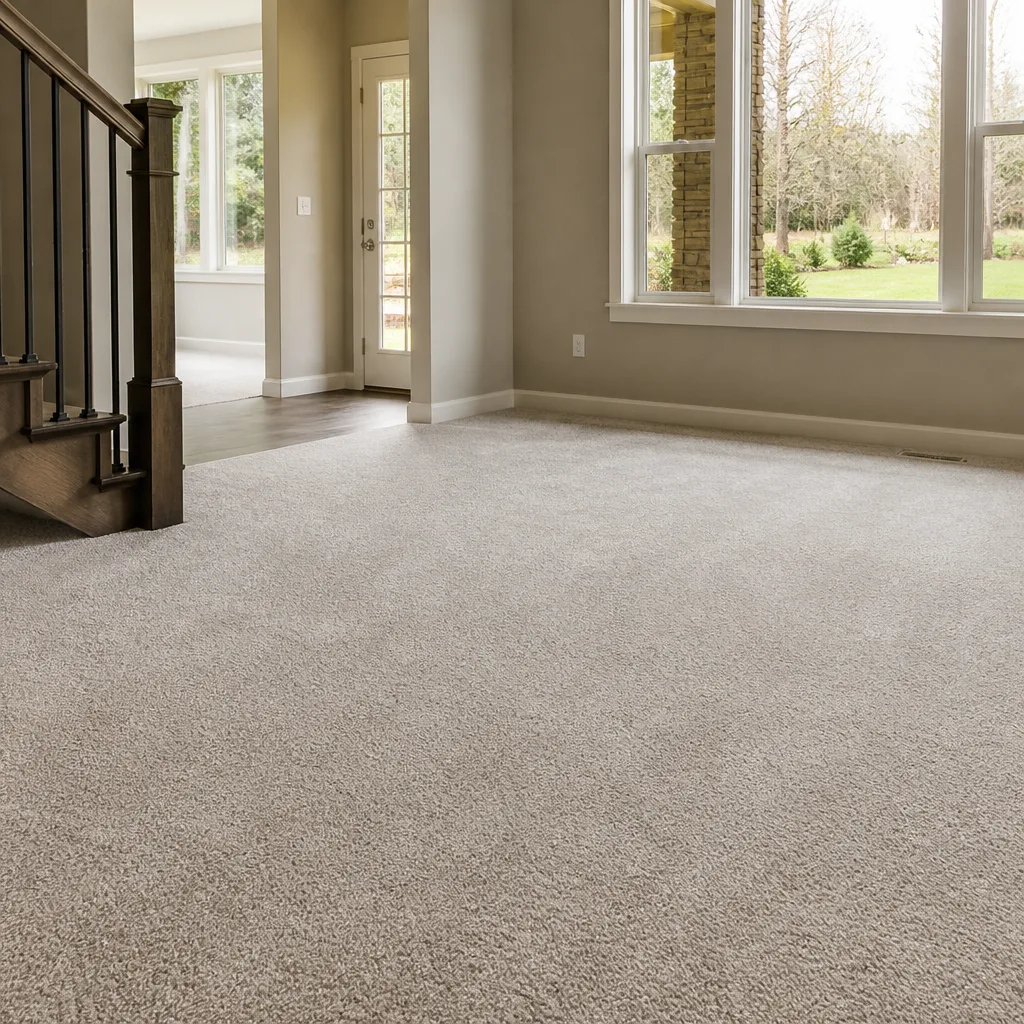
Carpet is one of the more predictable choices in the desert climate. Synthetic fibers such as nylon and polyester are dimensionally stable and don’t respond to humidity swings the way wood does. The main stressors here are UV exposure in sun-facing rooms and regular cleaning from dust, both of which are manageable. Carpet is a strong fit for bedrooms and interior living areas in a Paradise home, and carpet installation is a category we handle with the same prep discipline as any hard surface.
Tile
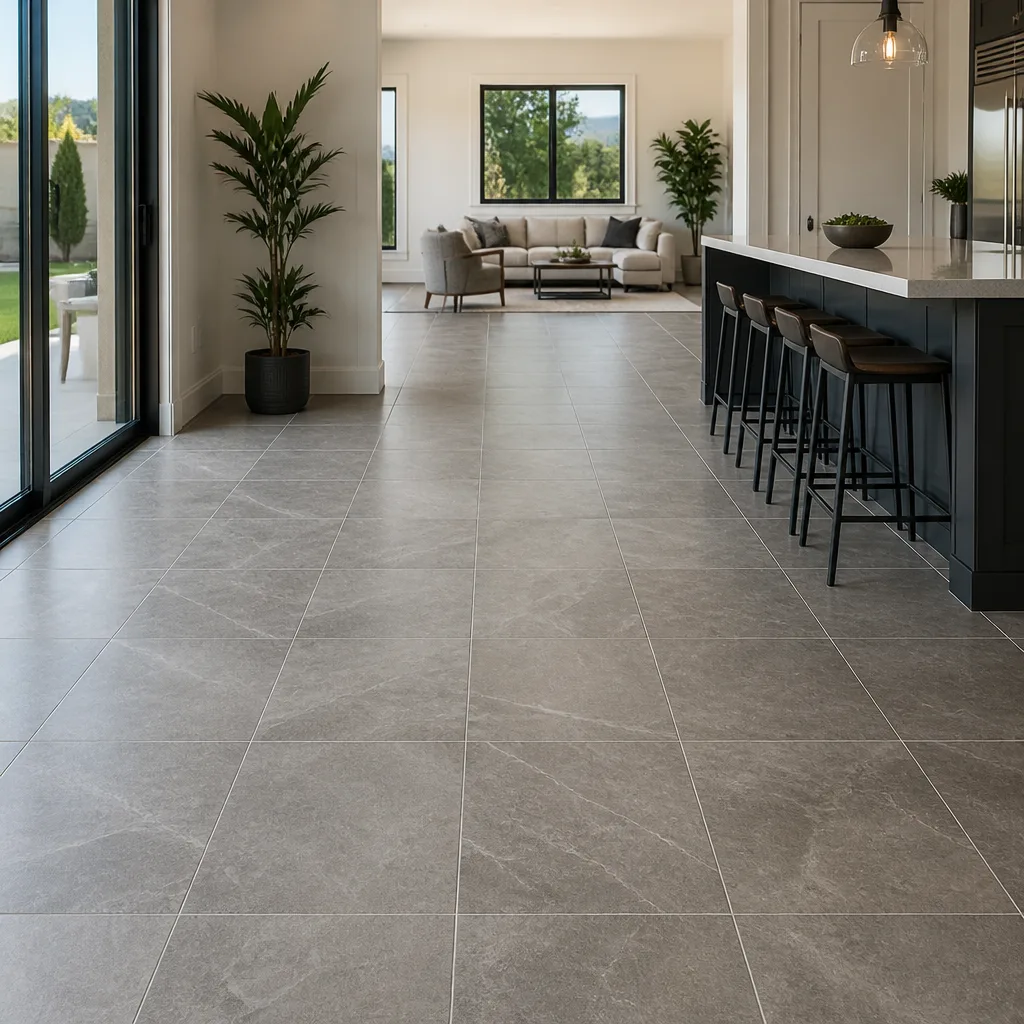
Porcelain and ceramic tile are extremely stable in a Paradise climate. The tile itself doesn’t care about the humidity swing. What matters is the substrate underneath and the installation detail. A well-installed tile floor is one of the most durable choices available in the desert, and tile flooring installation gives us access to products from professional-grade lines that aren’t typically sold through retail, which matters when you want the finish and the job to line up.
Engineered Wood
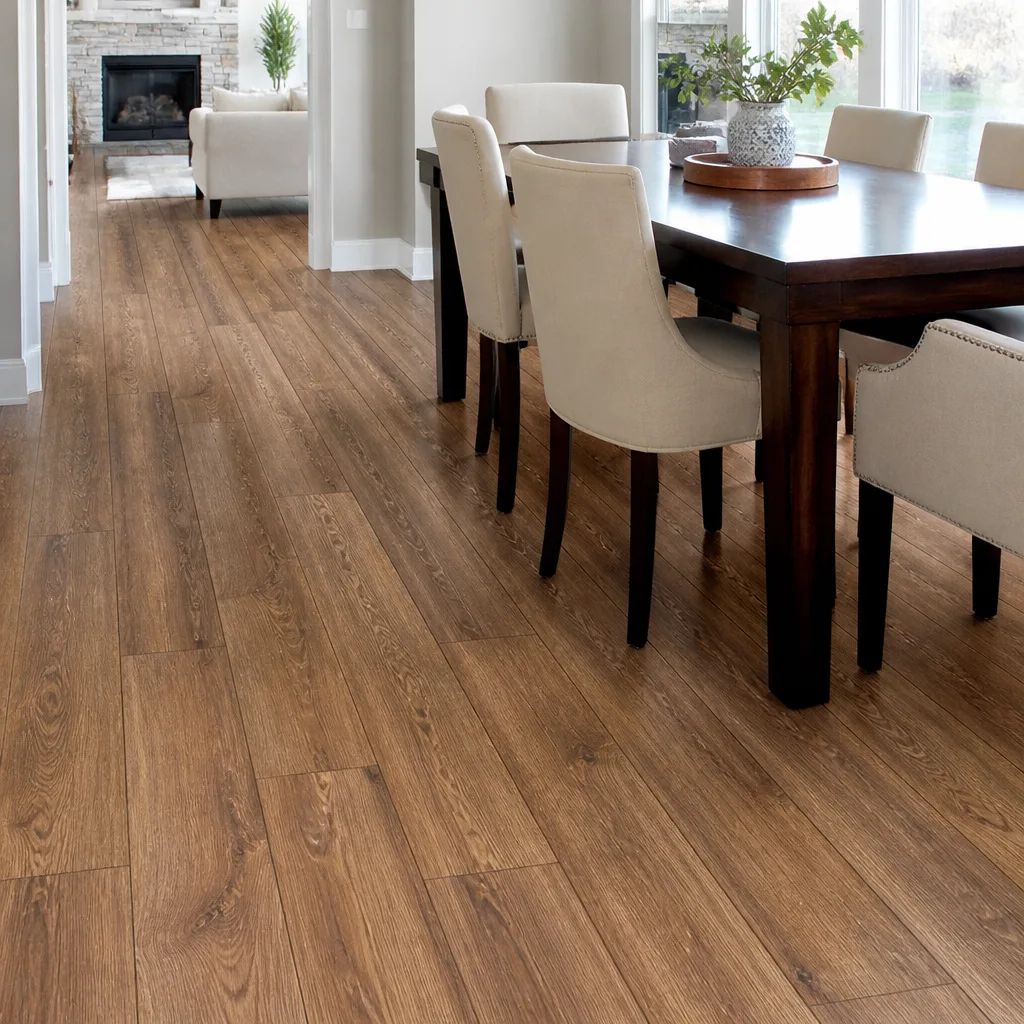
Engineered wood is a genuine consideration in Paradise, where solid hardwood struggles. The cross-ply construction gives it more dimensional stability than a solid plank, and most engineered products tolerate the local humidity range reasonably well when the home’s HVAC is steady. It’s still a wood product, so it will move. It’s simply better equipped to move with the season rather than against it.
Solid Hardwood (and Refinishing)
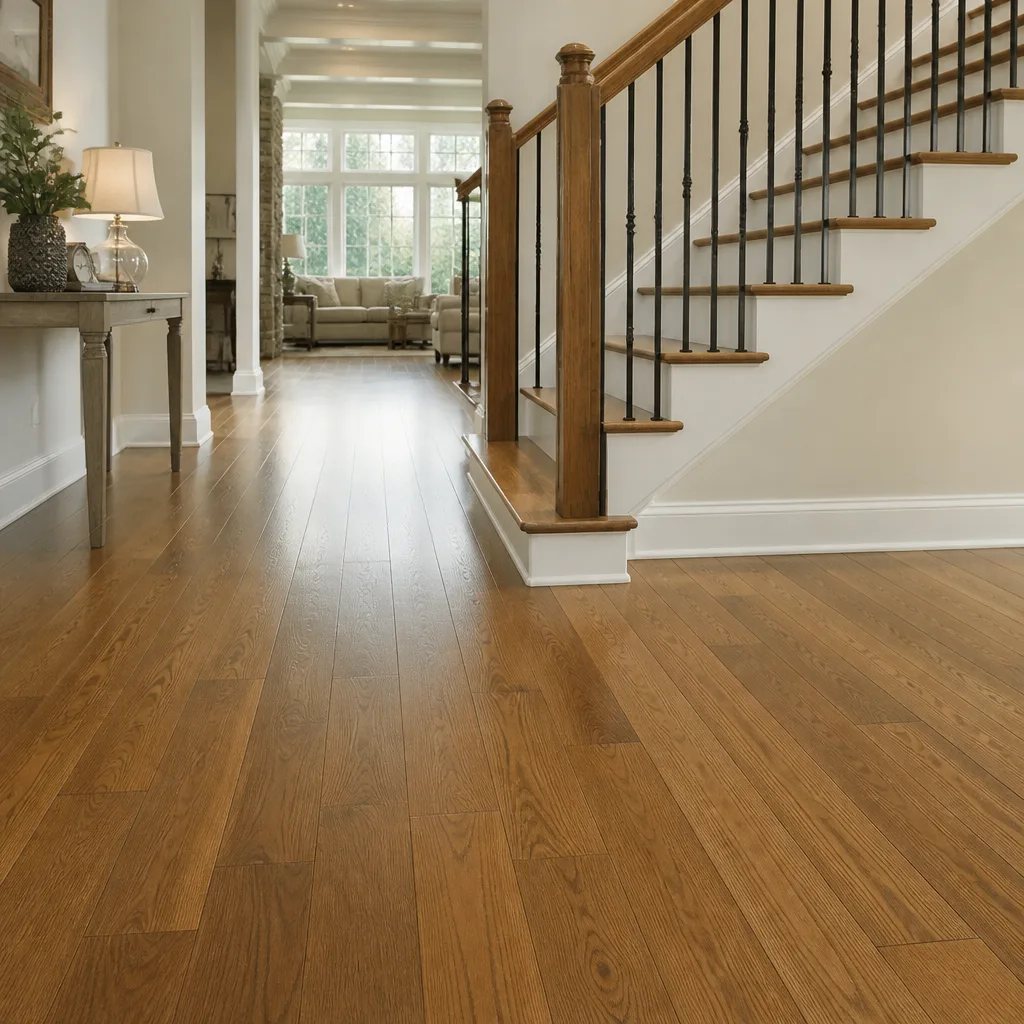
Solid hardwood is the category most affected by the Paradise climate cycle, and it’s worth saying plainly: installers here see gaps in solid plank floors that would be flagged as defects in a temperate market. That’s shrinkage from the dry cycle, not a bad mill run. The upside is that hardwood can be refinished rather than replaced if the floor is thick enough, which is why we offer hardwood floor refinishing as a core service. Not every floor can be refinished, and a stain match depends on the thickness and condition of the wood; both are checked at the estimate visit. If your heart is set on wood, we’ll talk through engineered options and refinishing paths during the estimate.
Rigid-Core Vinyl
Rigid-core vinyl such as COREtec and LifeProof is the practical answer to the Paradise climate question for most homes. The core is stable across the humidity swing, the locking system is designed to tolerate the small seasonal movement, and these products live in kitchens, bathrooms, and sun-facing rooms where wood and laminate would be more stressed. They are water-resistant, which helps against spill and humidity, but standing water and moisture from below the slab still have to be dealt with. Lifeproof and COREtec both require a properly prepared subfloor and a qualified installer to get the full performance the product was designed for.
Laminate
Laminate is a legitimate budget-friendly option, and Pergo and Armstrong lines are part of the portfolio here. It’s the moisture management around it that matters in Paradise, not the product alone. Laminate is best in rooms where the humidity is moderated and where water isn’t expected to sit for any length of time. It works. It just isn’t the forgiving choice in a room where a monsoon leak or an overflowing appliance could happen.
The Construction Specs to Look For (Not Just Brand Names)
Brand matters less than people think. Two products under the same name can be built to different specs, and the spec is what determines how the floor behaves across a Paradise summer. When you’re comparing samples, look at these details rather than the label on the box.
- Wear layer thickness (vinyl and laminate). A thicker wear layer generally means better wear and stain resistance in a floor that lives under UV and sun. The wear layer is measured in mils. Ask for the spec sheet, not the marketing copy. The number is what matters.
- Core construction. SPC, WPC, HDF, engineered ply, solid wood. As we covered above, this determines how the floor handles the humidity swing more than any finish does.
- Locking system tolerance. The joints are where a floor moves most. A locking system that tolerates slight expansion and contraction without opening up will outlast one that’s tight to the millimeter at install. Look at the locking joint quality when you compare samples, not just the color.
- UV inhibitors and finish stability. West-facing rooms in Paradise get intense sun, and sun-facing floors fade. UV inhibitors in the finish help slow that, though no floor is immune. The product spec is what tells you what’s been built in.
- Moisture tolerance. What the product does when moisture reaches it, and what the manufacturer says about it, is worth reading. Water-resistant and waterproof are not the same thing, and a product that’s engineered for kitchens is a very different consideration from a product that’s engineered for bedrooms.
- Installation clearance and expansion allowances. These numbers come from the installation instructions. They’re smaller than people expect, and getting them right is the difference between a floor that lasts and one that cups. This one belongs in the written estimate.
Shaw and Mohawk lines give you a wide range of these specs under well-known names; Karndean brings a design-led vinyl offering that holds up to the same stability numbers. Our approach during an estimate is to talk through the spec sheet for the specific floor you’re considering rather than steer you by brand. Paradise Flooring Installation works with nine brands across all three categories, so the recommendation can follow the room rather than the catalog.
Tile’s Thermal Mass: Comfort or a Trap?
Tile feels cool in Paradise on a summer afternoon, which is part of why it’s so popular here. But the same thermal mass that makes it feel cool at 4pm makes it feel cold at 6am in January, and the way that plays out in your home depends on room orientation and HVAC habits.
A south-facing or west-facing room with a lot of sun exposure will hold heat in the tile in the late afternoon and release it slowly after the sun goes down. That can actually work as a comfort benefit in the evening, and it can make the room harder to cool if the HVAC is set high. A north-facing room with parking on the other side of one wall will read cooler all year and is the room where tile is most likely to feel cold underfoot through the winter. In a Paradise home we plan tile for the room where the thermal behavior suits the way the room is used.
- Best rooms for tile. Entryways, kitchens, bathrooms, and any room with high sun exposure and moderate foot traffic. Porcelain and ceramic are stable here, and the thermal mass seems like an asset in these spaces.
- Rooms where tile needs thought. Bedrooms and living areas where the family spends a lot of floor time in the cooler months. If you love the look but want warmth, a rug solves it; if the slab runs cold under the tile, that’s a comfort consideration worth naming at the estimate.
- The HVAC interaction. A home set to a steady moderate temperature is the best environment for any floor, tile included. Big swings in HVAC behavior across the day amplify the thermal effect.
Tile installation is also where prep discipline pays off most. A flat, stable substrate underneath keeps the grout lines sharp and the surface free of cracking. We check that during the estimate.
Room-by-Room Recommendations for Paradise Homes
The most useful way to apply everything above is room by room, because the climate affects each room differently.
- Kitchen. Rigid-core vinyl (COREtec or LifeProof) or porcelain tile. Both handle spills, tolerate the humidity swing, and take sun through a kitchen window without fuss.
- Bathrooms and laundry rooms. Tile. The moisture here is worth planning for directly, and tile handles it with far less concern than any wood product. Rigid-core vinyl is a reasonable alternative for the bathroom floor because it’s water-resistant, but standing water still needs to be cleaned up promptly.
- Primary bedroom. Carpet or engineered wood. The climate stress here is lower than in a sun-facing room, and carpet gives you warmth underfoot in the winter when the slab runs cold.
- Great room / west-facing living area. Rigid-core vinyl or tile. This is where the sun load is highest and the thermal swing is most visible. Solid hardwood is the choice we’d talk you out of here unless the HVAC is very steady.
- Hallways and bathrooms near exterior doors. Tile or rigid-core vinyl. These are the transitions where the floor sees the biggest swings in temperature and humidity from the outside, and the least forgiving products perform worst here.
- Guest rooms and low-use rooms. Laminate or carpet is a reasonable budget choice, provided the room is climate-moderated. The stress profile is lower in rooms that don’t see daily activity.
If you’re flooring the whole home at once, this is where Paradise homeowners get the most value from a single company handling every surface. Mixing categories across a whole-home job is normal; what matters is that the materials and the installation prep match the room.
Common Mistakes to Avoid
- Choosing solid hardwood for a sun-blasted room. It will gap in the dry season and cup in the monsoon, and no manufacturer’s finish will prevent the movement. Engineered wood or a stable-core vinyl is the safer call in a west-facing Paradise room.
- Ignoring the slab before install day. Flatness and moisture are the two things that cause the most floor failures in Paradise, and neither is visible in a sample. Have them checked at the estimate, and get the prep plan in writing.
- Assuming “waterproof” means you can leave water standing. Rigid-core vinyl is water-resistant and handles a spill, but it isn’t a bathtub liner. Standing water against the edges and moisture from below the slab still need to be managed.
- Leaving a closed room at high heat for months. A west-facing room with the blinds closed and the HVAC off will hit temperatures that drive flooring movement regardless of what you install. Keep the thermostat in a moderate band across the home.
- Buying the floor before the room is measured. The layout decisions, the prep plan, and the product selection depend on each other. Buying the floor before the estimate often means redrawing the plan. Let the estimate come first.
- Choosing WPC in a hot room and then wondering why it moves. WPC is a fine material, but it’s the softer, more flexible core, and it’s happiest where the temperature and humidity are moderated. Match the core to the room.
- Skipping the acclimation window. A floor that goes down immediately after delivery isn’t ready for the interior of a Paradise home. Acclimation is set by the product instructions and by the written estimate, and both should be discussed before the job.
See the difference
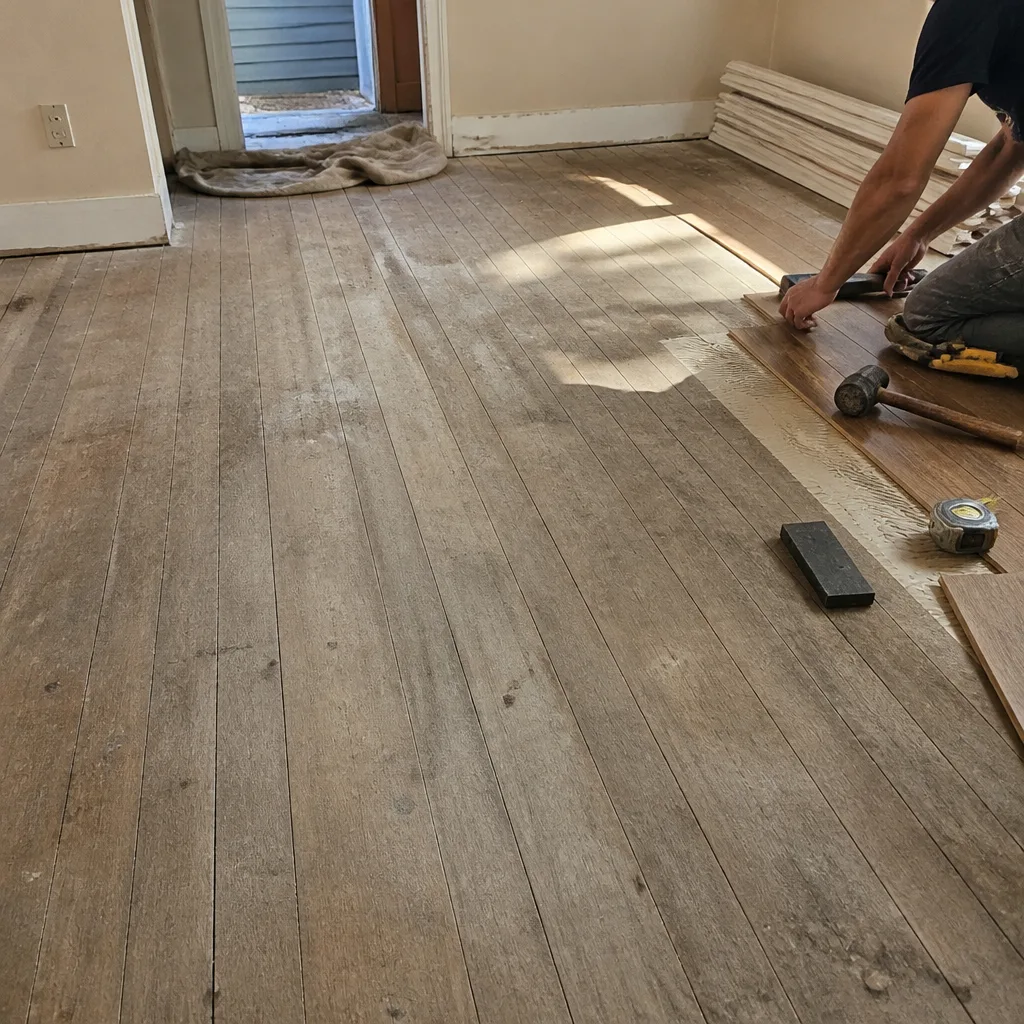 Before
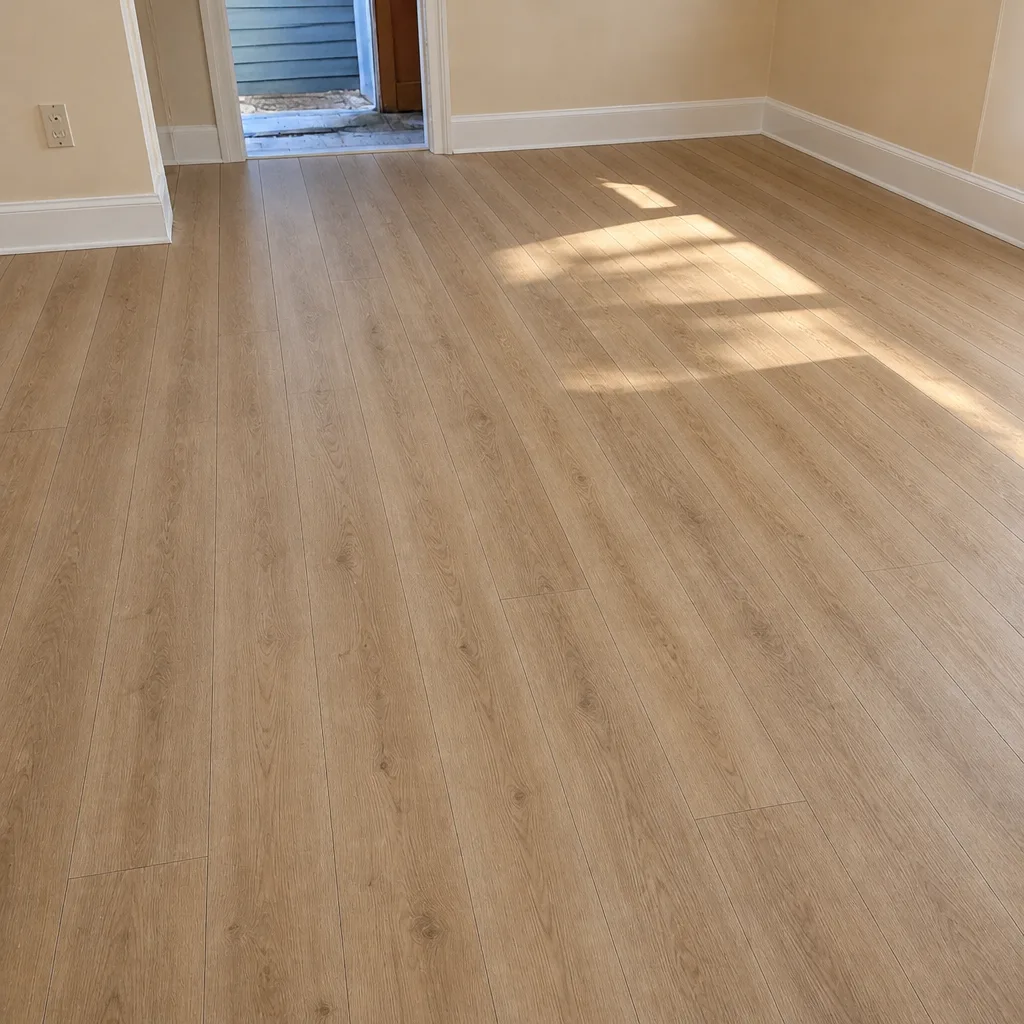 After
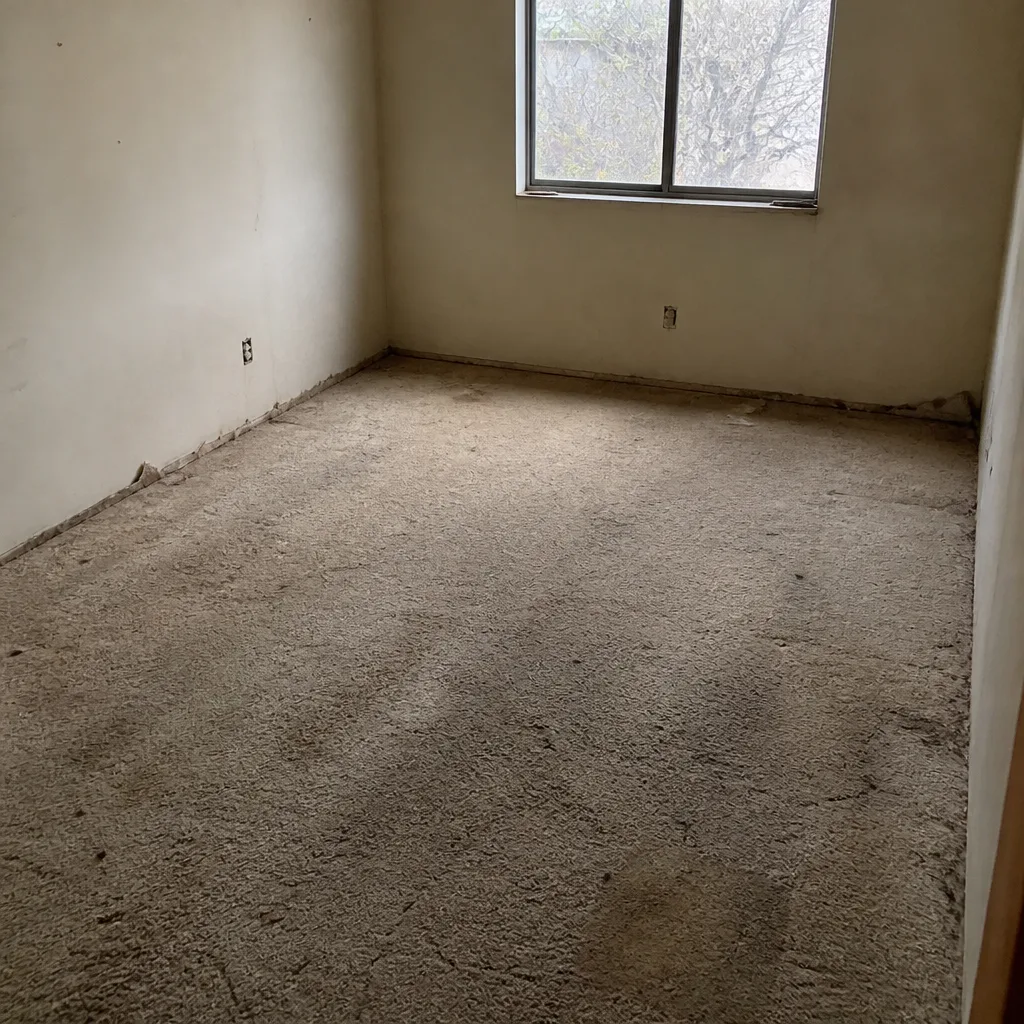 Before
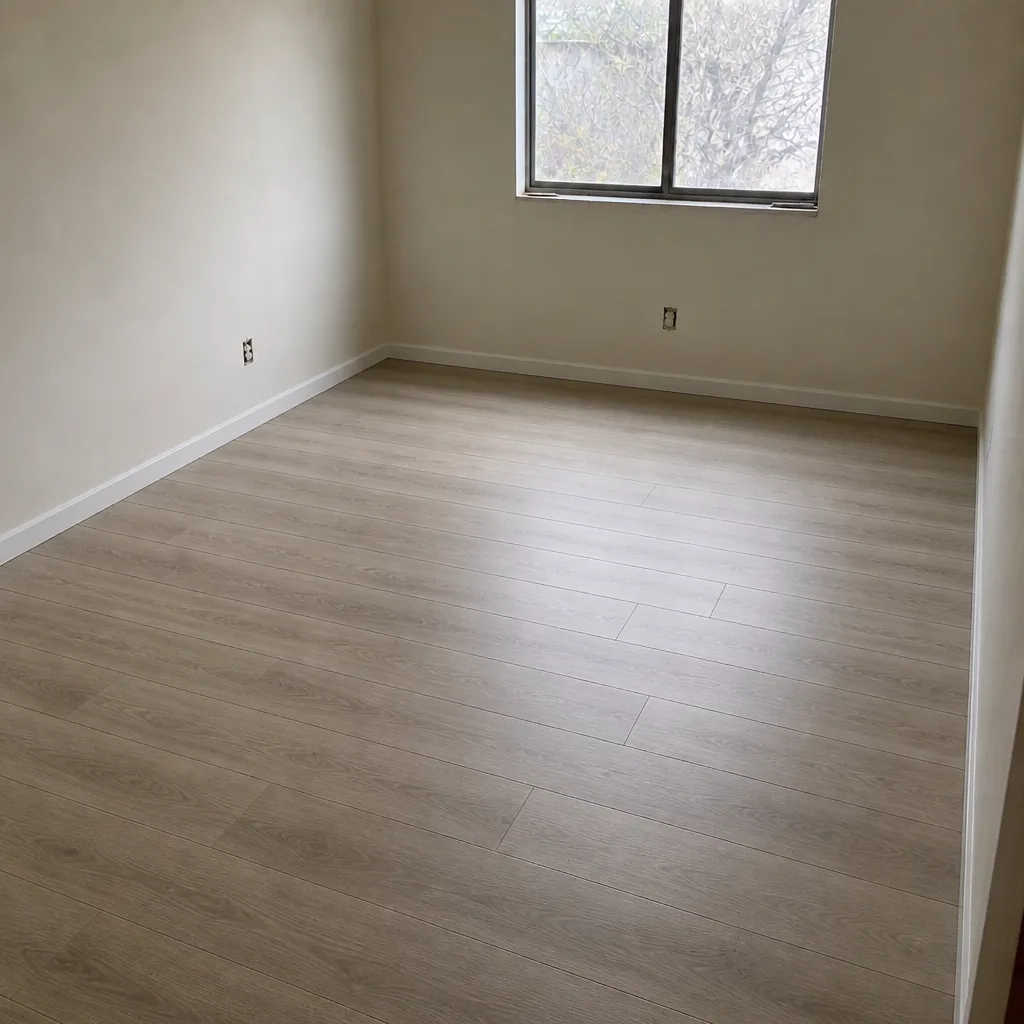 After
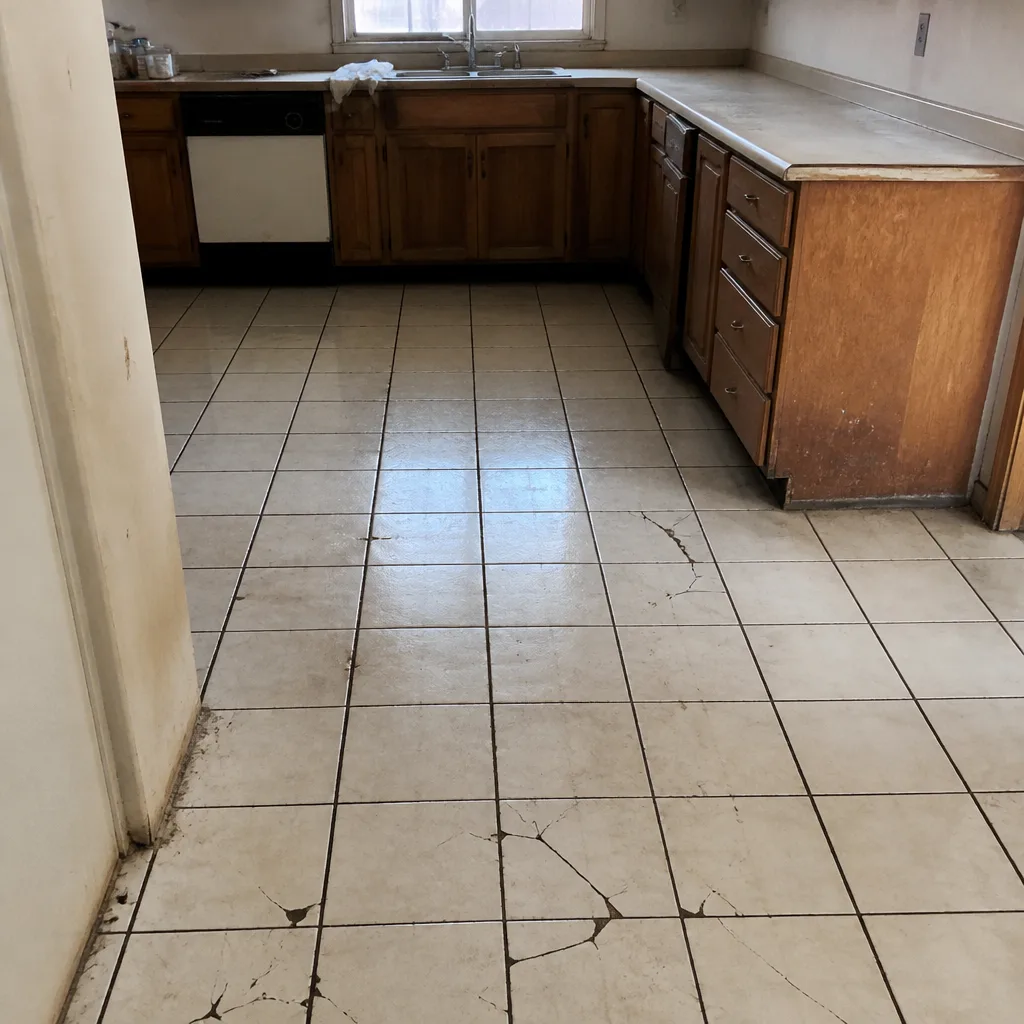 Before
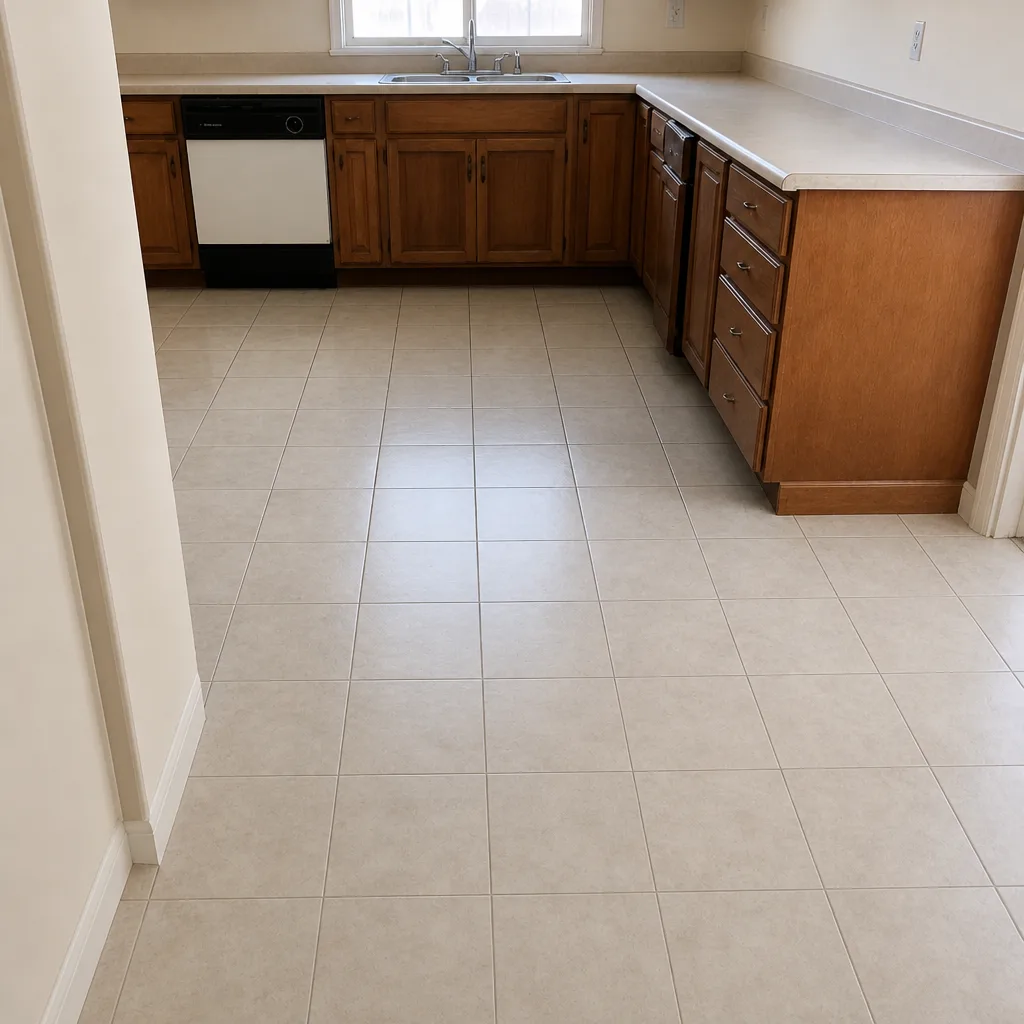 After
When to Call a Professional
Some jobs are genuinely worth calling in. If your floor shows cupping, crowning, or visible gaps that appeared after installation, that’s a sign the interplay between the slab, the product, and the local climate wasn’t planned for, and a trained eye can tell you whether it’s fixable. If you’re flooring more than one room, coordinating prep, layout, and transitions across surfaces is a lot of detail to manage alone in a Paradise home. If your concrete slab hasn’t been checked for flatness or moisture, or if you’re considering solid hardwood in a sun-facing room, it’s worth having the conversation before you buy the boards. Paradise Flooring Installation offers free estimates in Paradise – call (844) 651-6528 to book one. We answer 24/7 with fast dispatch from 7am to 7pm, Sunday through Friday.
Frequently Asked Questions
Rigid-core vinyl such as COREtec or LifeProof, porcelain tile, and modern synthetic carpet are the most reliable choices in Paradise. They handle the humidity swing between desert dry and monsoon moisture without the movement that solid hardwood and laminate experience. The exact right pick depends on the room and how it’s used. Call (844) 651-6528 for a free estimate – an exact recommendation is part of the visit.
It gaps because the desert dry season pulls moisture out of the wood faster than it goes back in when the monsoon arrives. That repeated cycle enlarges the seams. Installers call it shrinkage failure, and it’s a climate effect rather than a manufacturing defect. If you love the look of wood, engineered wood is generally a better fit in Paradise and hardwood refinishing can preserve an existing floor if the thickness and condition allow it.
Tile can feel cold in a bedroom in the cooler months because of its thermal mass, especially in north-facing rooms. It’s not a bad choice – it’s simply the room where the thermal behavior is most noticeable. If you want the look but not the cold, a rug solves it. We’ll talk through the room’s orientation and HVAC habits at the estimate.
You don’t, until it’s checked. Flatness and moisture are the two variables that most affect a floor’s long-term performance in Paradise, and neither is visible from the surface. The check happens at the estimate visit, and the plan to correct anything found goes into the written estimate. That’s why the estimate comes before you buy the floor.
Yes, the estimate is free. There’s no charge for coming out and looking at the room, the slab, and your options, and the price you get is set by a written estimate. Call (844) 651-6528 to schedule it – we answer 24/7.
The schedule is set at the estimate, based on the rooms, the prep required, and the product you choose. There isn’t a single number that applies across a whole home, and any contractor who quotes a fixed number over the phone isn’t accounting for your slab. Call (844) 651-6528 for a free estimate, and the timeline will be part of the written quote.
The Bottom Line
Paradise’s climate is not just hot. It’s a cycle: extreme daily temperature swings, single-digit humidity in June, monsoon humidity in July, and a concrete slab that stores heat and cold under every floor. That cycle favors stable materials, well-prepped substrates, and products matched to how each room is actually used. Solid hardwood and HDF-based laminate are the most stressed categories. Rigid-core vinyl, engineered wood, porcelain tile, and synthetic carpet are the most reliable. The right plan starts with an estimate that looks at the slab and the room before it looks at a sample. That’s the plan we build with every Paradise homeowner, and it’s the one that survives the season instead of fighting it.
Paradise Flooring Installation works with nine trusted brands across carpet, tile, and hardwood refinishing, with our technicians bringing up to 11 years of experience to every install and every restore. If you’re weighing options and want a straight answer about what holds up here, call (844) 651-6528 for a free estimate. We answer 24/7 with fast dispatch from 7am to 7pm, Sunday through Friday.
Written by the team at Paradise Flooring Installation.