
Last updated November 17, 2026
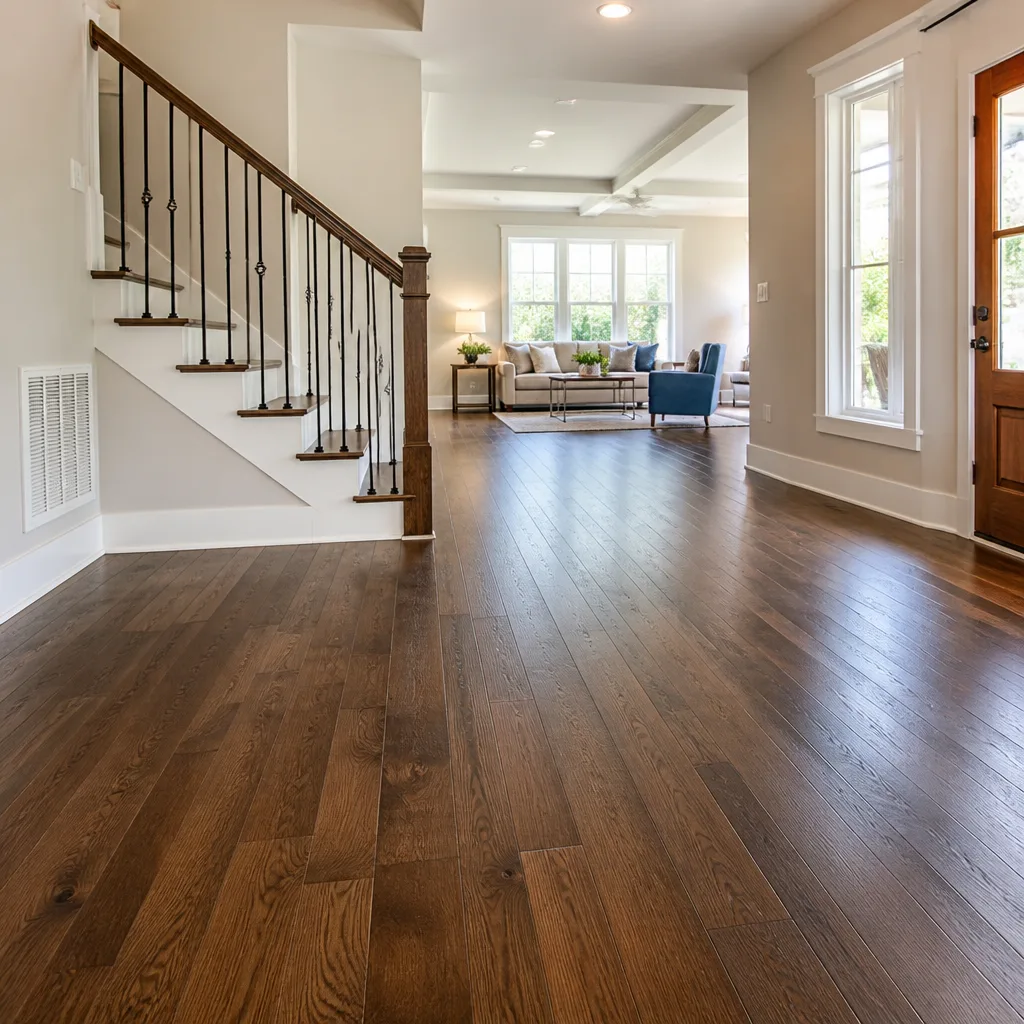 Hardwood
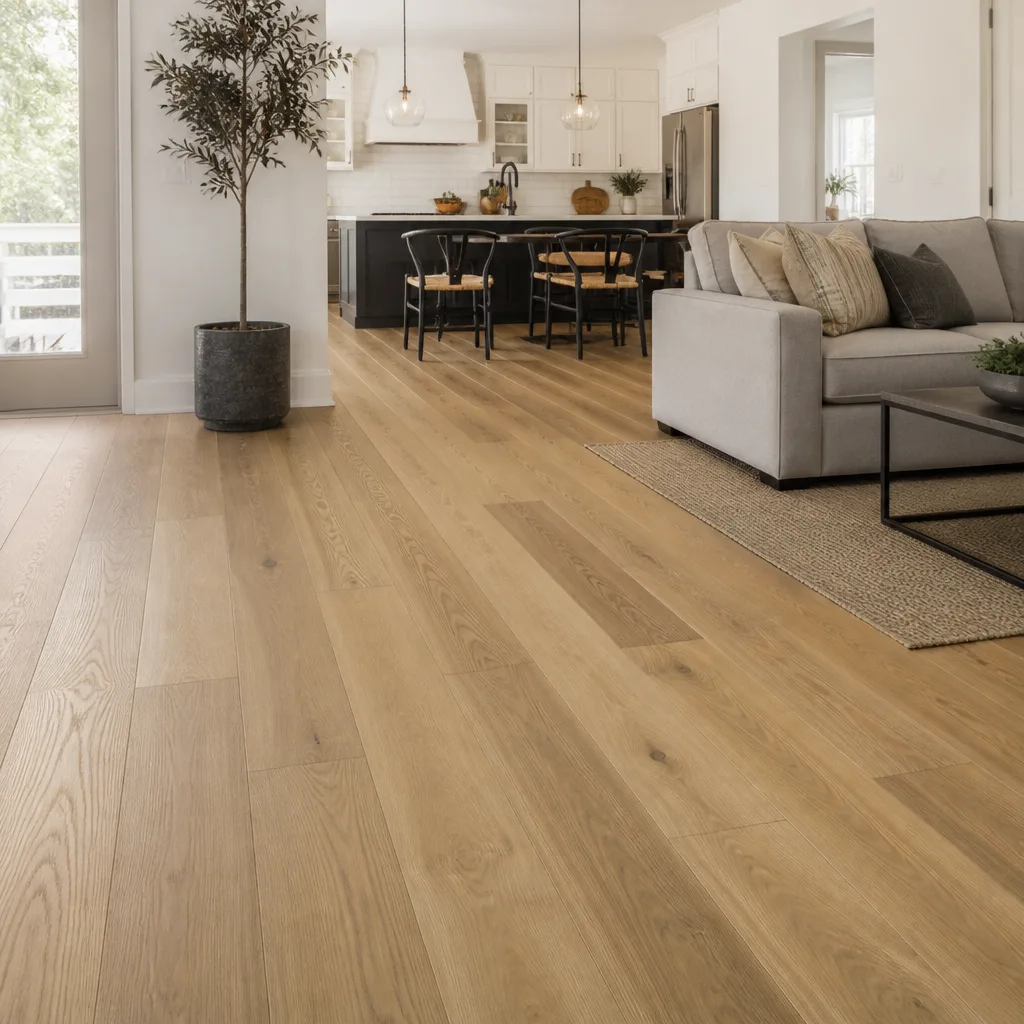 Engineered hardwood
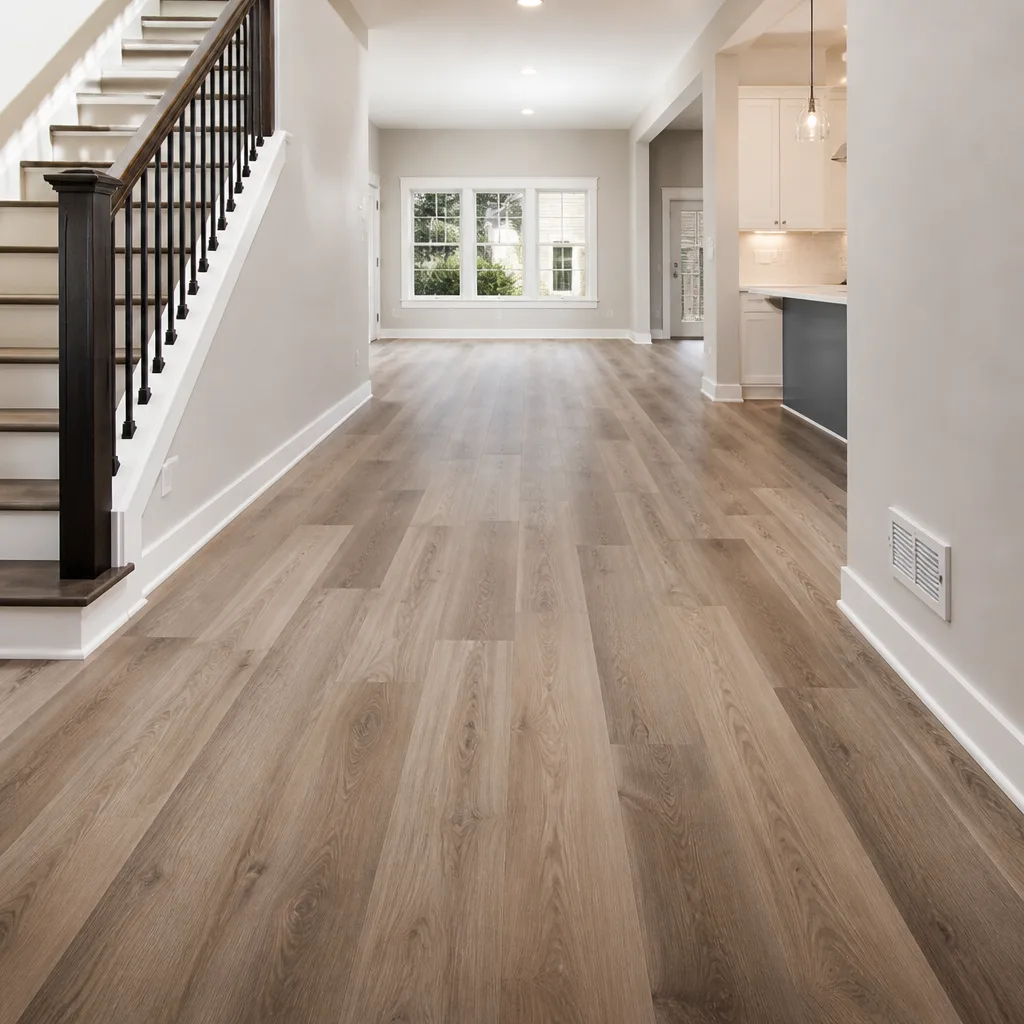 Luxury vinyl plank
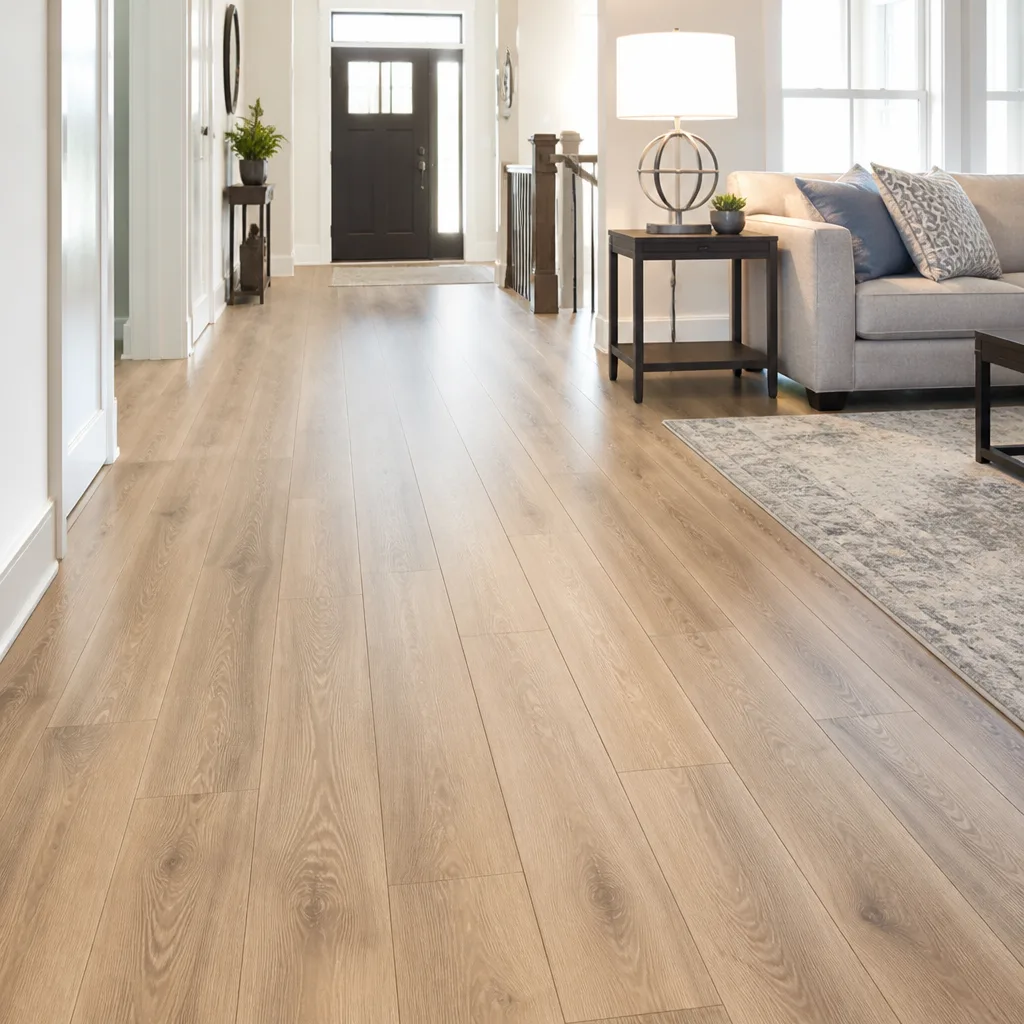 Laminate
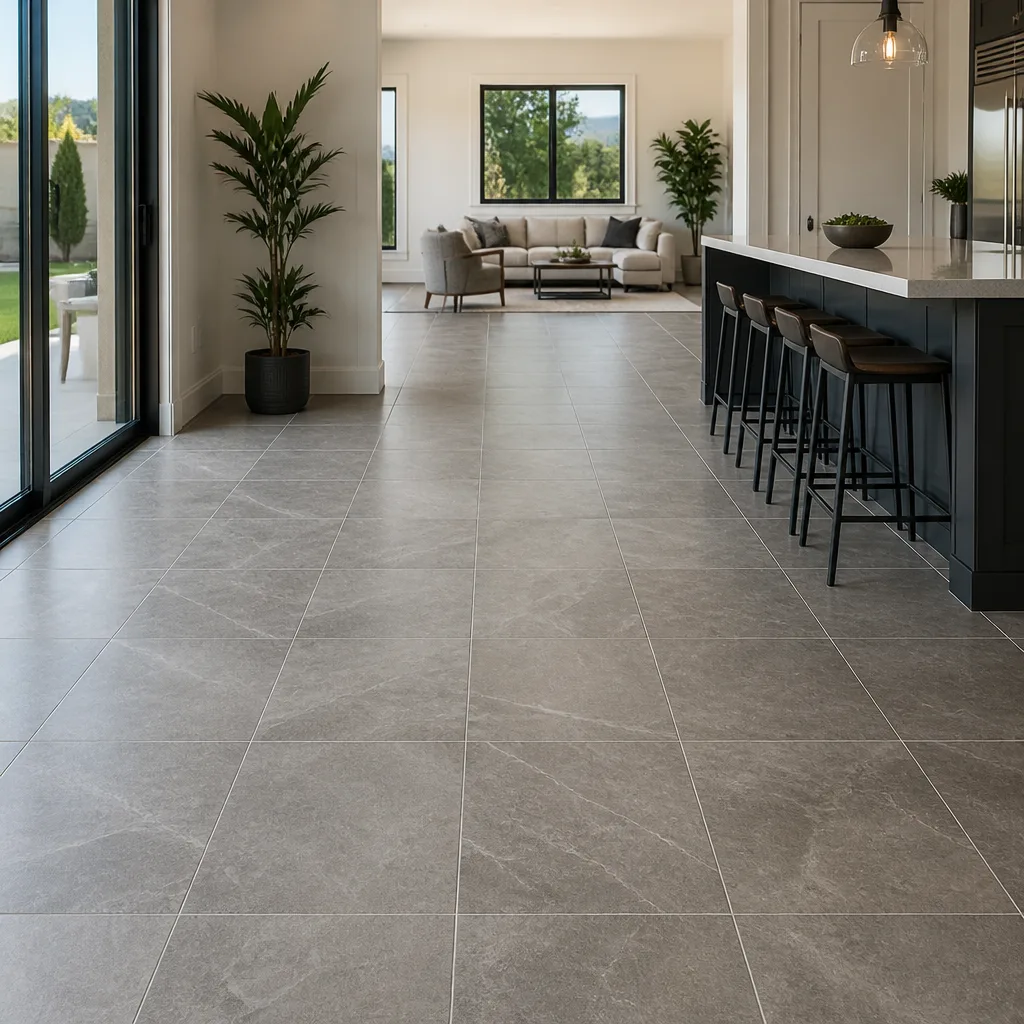 Porcelain tile
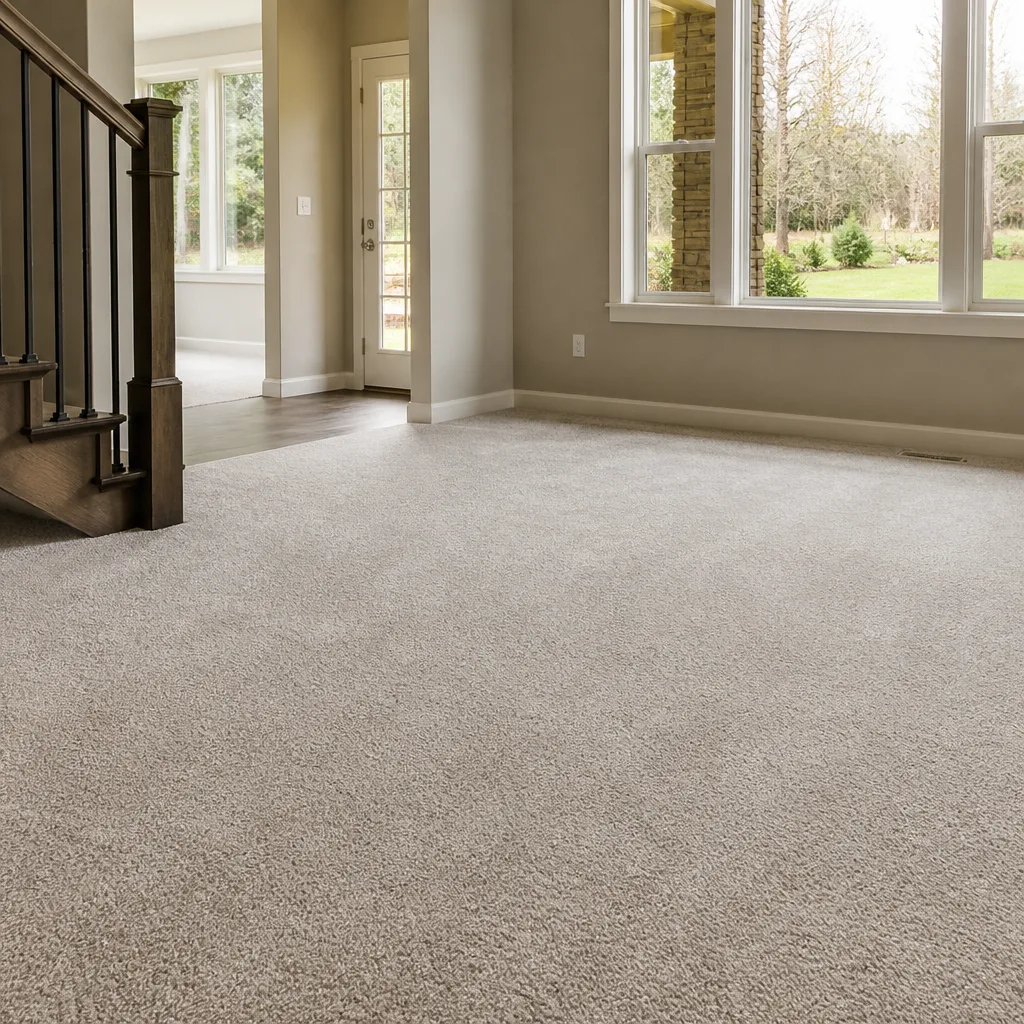 Carpet
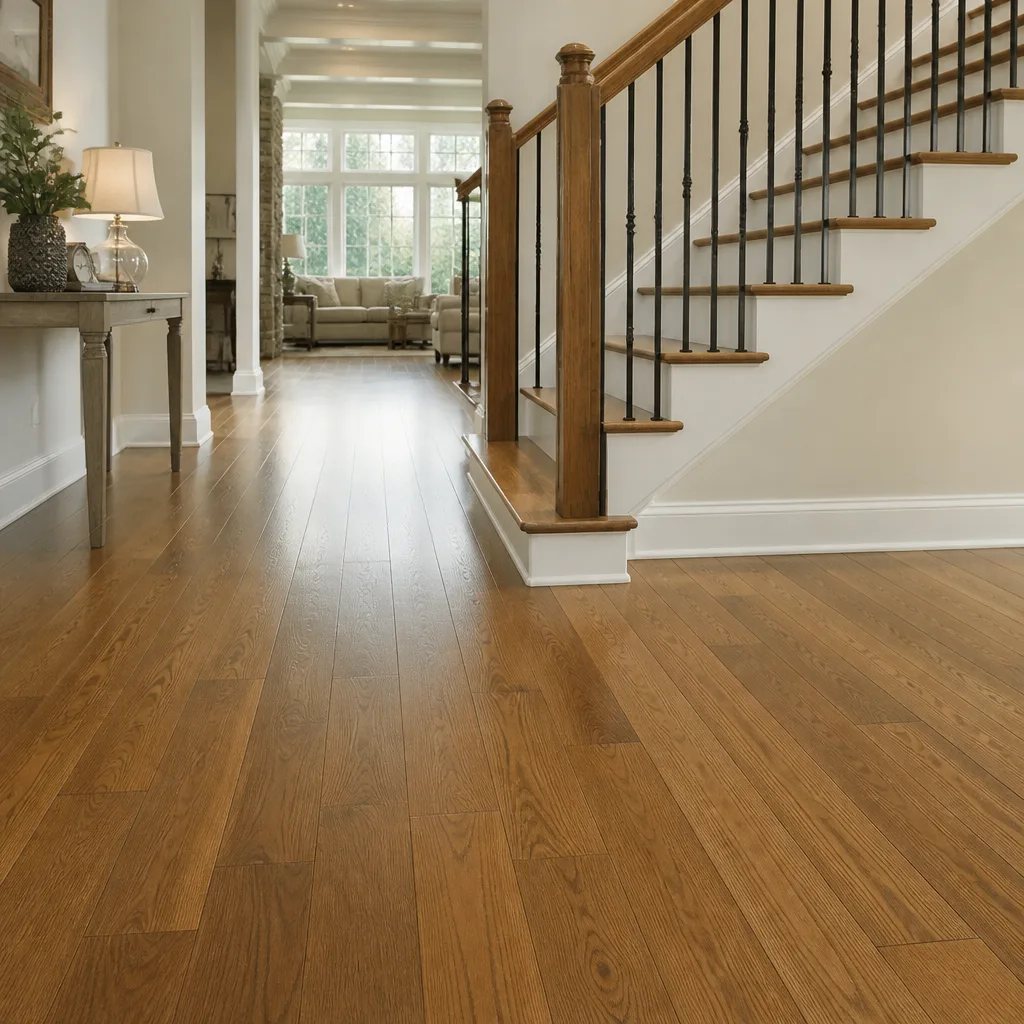 Shaw
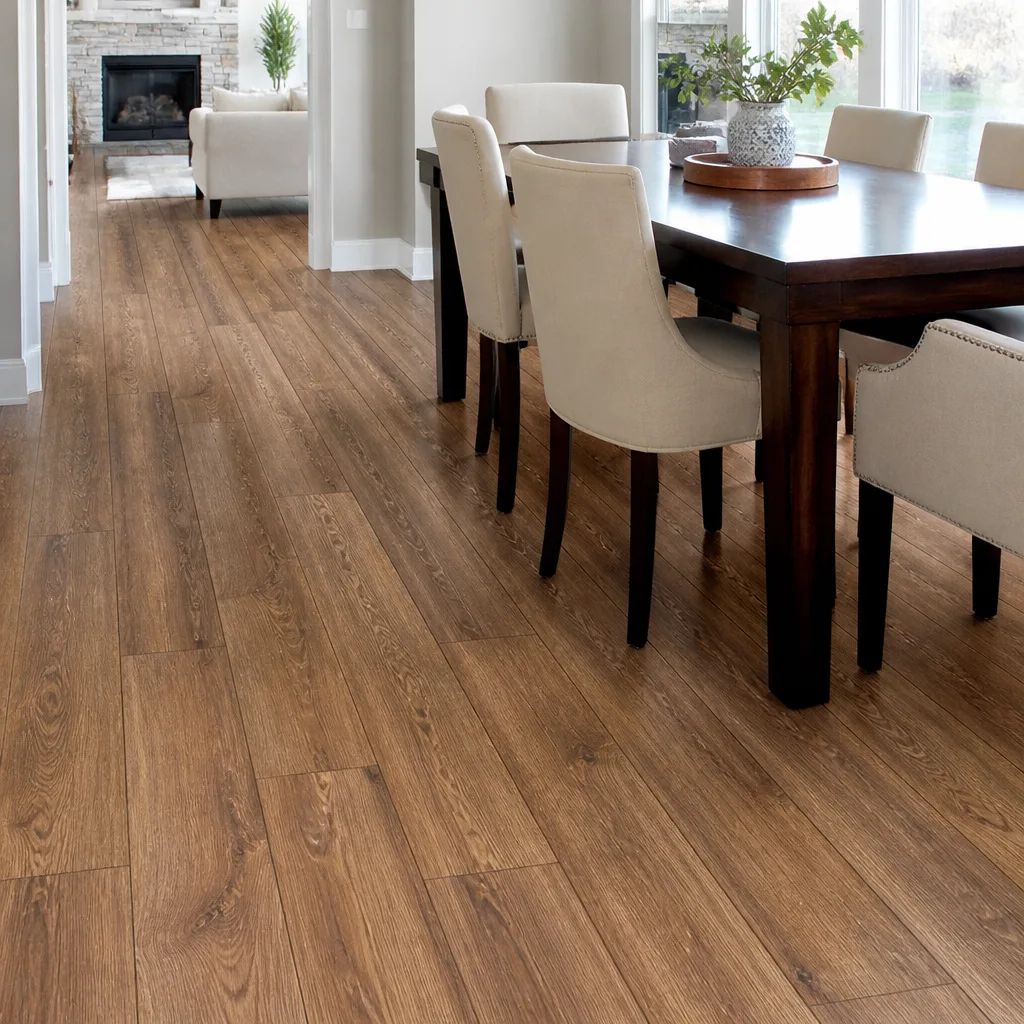 Mohawk
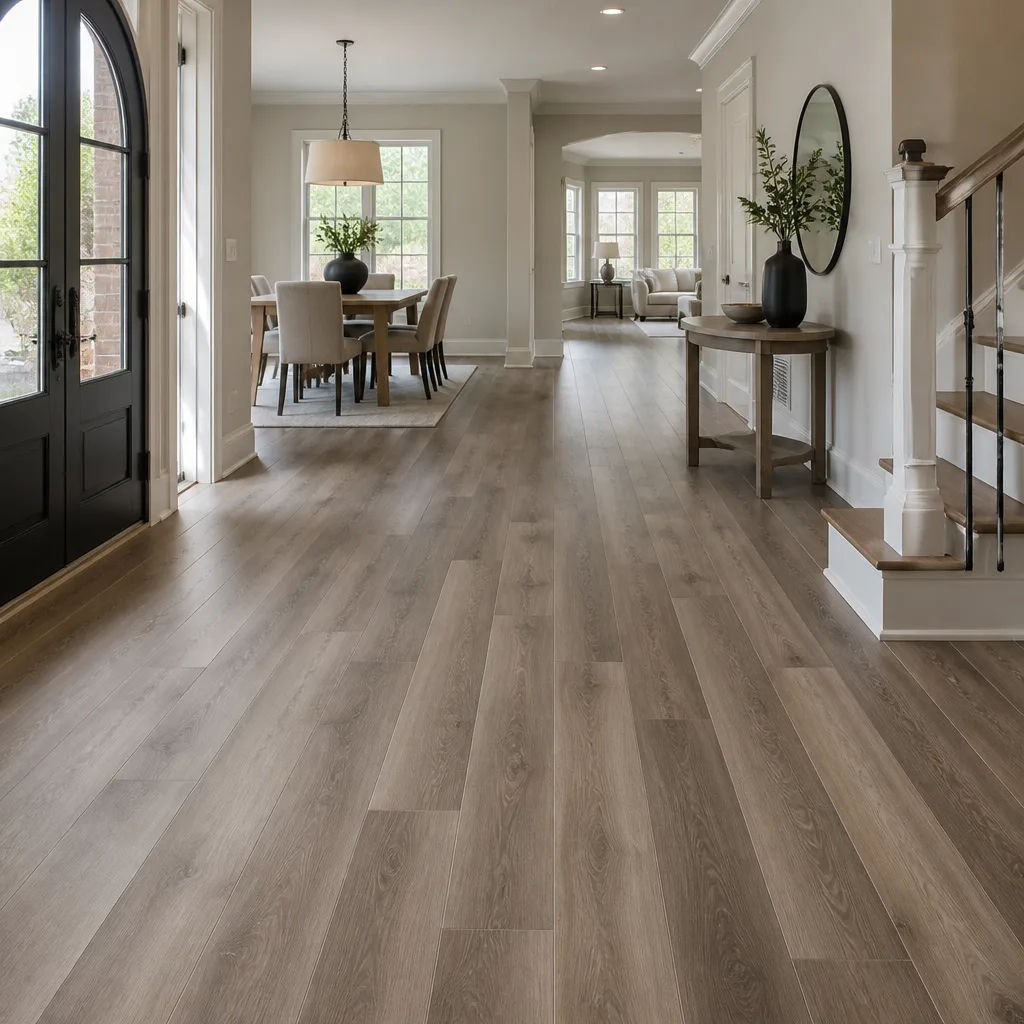 COREtec
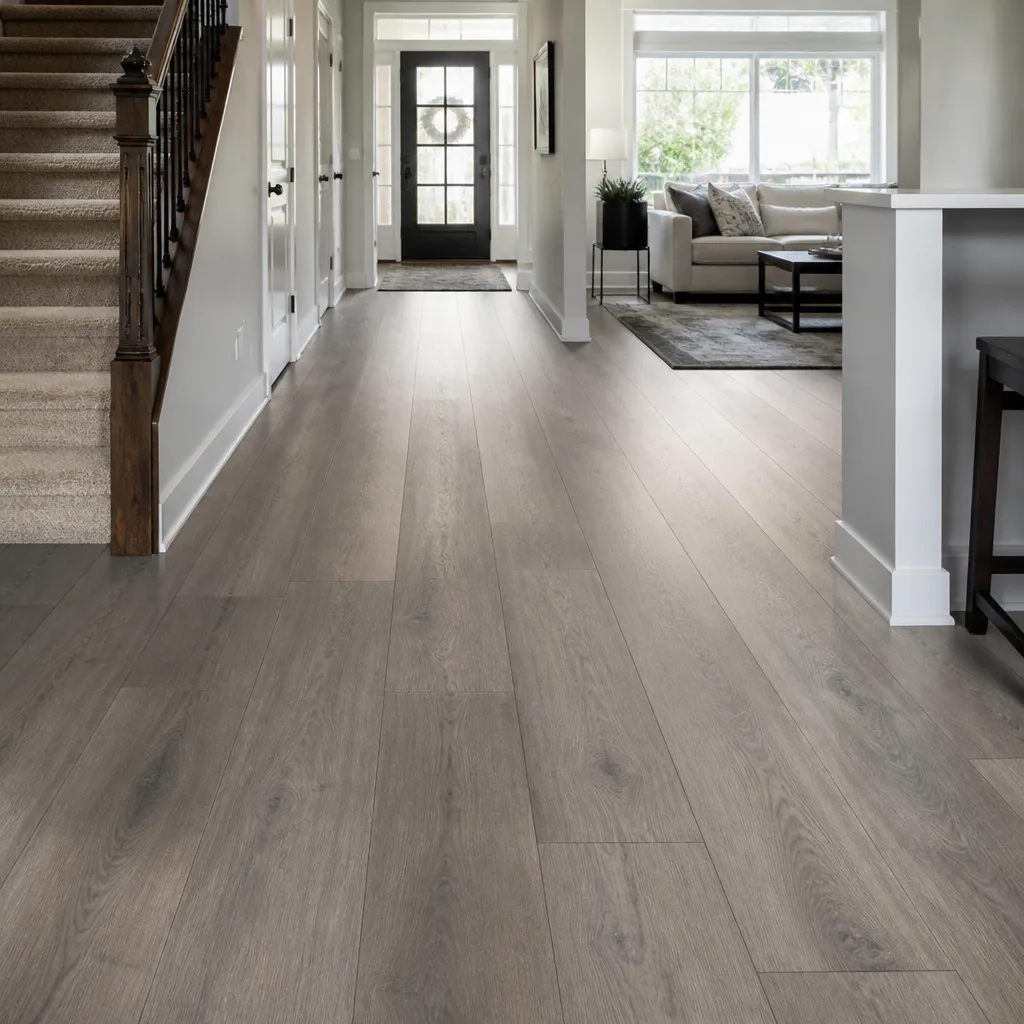 Pergo
Free in-home measure and written estimate: Shaw, Mohawk, COREtec and Pergo lines compared on your own rooms, with carpet, tile, vinyl plank, laminate and hardwood laid out side by side
Get your free estimateWhat Happens at a Free In-Home Flooring Estimate in Paradise
Most homeowners treat the free estimate like a sales pitch they have to sit through. They’re braced for pressure, for the upsell, for the price that creeps up once the paperwork comes out. That framing gets it backwards. The in-home estimate is the single most useful hour of your entire flooring project, because it’s the only point where nothing is on the line and everything is still adjustable. Here’s a test we’d offer anyone in Paradise: an estimator who never gets down to check your subfloor in at least two spots is handing you a guess dressed up as a number. In this guide, we’ll walk through exactly what a thorough estimate looks like, the measurements that matter beyond square footage, and the questions that separate a real installer from a generalist.
Quick Answer
A free in-home flooring estimate in Paradise is a diagnostic visit, not a sales call. A qualified estimator walks the rooms, measures square footage, tests the subfloor for flatness and moisture in more than one spot, checks doorway clearances and stair details, and asks about how you actually live on the floor. You leave with a written scope and price, an install schedule set at the visit, and no obligation to book. If the estimator skips the subfloor test, treat the price as a guess.
Styles & brands we work with
- Hardwood
- Engineered hardwood
- Luxury vinyl plank
- Laminate
- Porcelain tile
- Carpet
- Shaw
- Mohawk
- COREtec
- Pergo
Table of Contents
- What a Free In-Home Estimate Actually Is
- What a Thorough Estimator Physically Inspects
- The Measurements That Matter Beyond Square Footage
- How to Test Installer Knowledge During the Visit
- What Your Written Estimate Should Contain
- How to Compare Two Estimates Fairly
- Why a Paradise Estimate Is Different
- From Estimate to Install Day
What a Free In-Home Estimate Actually Is
A free in-home estimate is a scheduled visit where a flooring specialist measures your space, inspects the conditions under and around your existing floor, and gives you a written price for the work. It costs nothing. There’s no fee attached to it, no obligation to book, and no deposit required to get the number. In Paradise, that visit is also where your install day gets set, because the schedule is built from what the estimator finds rather than from a phone conversation.
The reason it has to happen in your home and not over the phone is simple: no two rooms are the same, and the parts that drive cost are mostly hidden. A phone quote can only price the square footage. It can’t price what’s under the old carpet, whether the slab has a high spot in the middle of the kitchen, or whether your 1970s doorway will clear a thicker floor. Those are the things that make a real estimate accurate.
Here’s how the visit usually runs:
- Walk-through. The estimator moves room by room with you, asking what you want to change and how the space gets used.
- Measurement. Square footage gets recorded room by room, with waste factored in based on the layout.
- Subfloor inspection. The existing floor and what’s underneath get checked in at least two locations, sometimes more.
- Transition and detail review. Doorways, toe kicks, stairs, and where the new floor meets adjacent rooms are documented.
- Product conversation. You discuss materials and brands, and the estimator explains what each one needs in terms of install.
- Written quote and schedule. You receive a written estimate and a proposed install day.
That’s the whole shape of it. No pressure, no timer. If you want to think about it for a week, that’s normal. Paradise Flooring Installation sends estimators out to do exactly this, and the visit ends with a document you can compare against anyone else’s.
What a Thorough Estimator Physically Inspects
This is where the visit earns its keep. A good estimator does four things physically, in front of you, and can tell you what each one means for your floor.
Subfloor flatness
They get down on their knees with a straightedge or a level and look for high and low spots. A floor installed over an uneven subfloor will telegraph those waves within a season, and in a climate as dry as Paradise’s, movement is exaggerated. If the subfloor needs flattening, that’s a real cost line, and it should be visible in the estimate rather than discovered mid-install.
Moisture readings
They take moisture readings from the slab or subfloor. This is not optional. In Paradise, homes sit on slab construction more often than not, and a slab can hold moisture that has nothing to do with how dry the air is. Wood and laminate floors respond to that moisture, and so do adhesives. Moisture readings should be taken in more than one spot, since a single reading tells you almost nothing.
Existing transition points
Where does the current floor meet the hallway, the bathroom, the front door? Those transition points have to be documented because the new floor will almost certainly be a different thickness. Materials from brands like Pergo and Mannington often sit at different heights than the carpet or old vinyl they’re replacing, and the transition strip has to accommodate that.
Traffic pattern wear
A good estimator looks at where the existing floor is worn most and asks whether the new floor needs to handle the same traffic. High-wear zones along a hallway or in front of a kitchen sink might justify a different product choice than the rest of the room. This is exactly the kind of detail that doesn’t come through in a phone quote.
If your estimator skips any of these four, ask them to do it. A real one will. Paradise Flooring Installation’s estimators are trained to check all four on every visit, because the visit is where the project gets its foundation.
The Measurements That Matter Beyond Square Footage
Square footage is the headline number. It’s also the one most estimates get right and the one that matters least for the final price. The details that drive cost sit in the spaces nobody measures unless they know to. Here are the ones a thorough estimator records.
- Doorway clearances. Every interior door needs to clear the new floor plus its underlayment. A thicker floor can mean the door has to be trimmed, and trimming a hollow-core door is a different job than trimming a solid one. If the new floor is going to lift the room by a noticeable amount, the estimator should be checking the door swing against the jamb.
- Toe kick gaps. Kitchen cabinets have a small gap at the bottom concealed by a trim piece. If you’re putting in a floor that is thicker than the old one, that gap may close, and the toe kick trim has to be adjusted or replaced.
- Stair nosing and treads. If your stairs are getting a new floor, nosing requirements are a real line item. The stair nosing has to project past the riser correctly and be flush with the new tread, and on stairs that’s a safety detail, not a finish detail.
- Room-to-room level changes. If the new floor is a different thickness than the floor in the next room, the transition strip and any threshold work has to be documented up front.
- Existing baseboard and trim. Does the baseboard come off and go back, or does it need replacement? That’s a labor line.
- Furniture and access. Whether the estimator needs to plan around furniture you’re moving yourself or plan to move it for you.
These are the measurements that separate a real estimate from a per-square-foot guess. When an estimate is written with only square footage and a per-foot number, the missing items haven’t disappeared. They just reappear later as a change order, and by then you’ve committed to the project and lost your leverage.
How to Test Installer Knowledge During the Visit
A homeowner doesn’t need to memorize install methods to spot an inexperienced estimator. A few targeted questions do the work. The point isn’t to quiz them for sport. It’s to see whether they answer in specifics about the material or just in general reassurance.
Ask what type of subfloor they expect under your existing floor
A capable estimator will tell you what they think it is and then go check. A weaker one will gloss over the question. This is the single best tell.
Ask what moisture reading they’d want to see before installing your chosen material
A real installer will tell you it depends on the product and the home and that the final numbers come from the product spec and the readings at the visit. That’s the right answer. Anyone who gives you a single number off the top of their head is guessing.
Ask how they’d handle a doorway with limited clearance
There are correct approaches and there are shortcuts. Listen for whether the answer includes checking the actual clearance first rather than trimming everything by default.
Ask about the specific material you’re considering
If you’re leaning toward LifeProof or Armstrong for a room, ask how the install of that brand differs from a lower-tier product. A specialist can tell you in plain language. A general contractor will move the conversation back to square footage.
Ask what their installers do when they find an unexpected condition on install day
The good answer is: they stop, document, and call you before they do anything. A single real question here tells you more than a page of credentials.
These questions aren’t traps. They’re the conversation a flooring specialist should be able to hold without breaking stride. In our experience at Paradise Flooring Installation, a good estimator enjoys these questions. It’s a sign you’re paying attention, and it often opens up the conversation into a much more useful product discussion.
What Your Written Estimate Should Contain
The written estimate is the artifact you keep. It’s what you compare, what you sign, and what defines the job. A complete one has a specific structure.
- Scope of work. Every room, every action: demo, prep, floor leveling, installation, trim. Each gets its own line.
- Materials listed by brand and product line. Not just “vinyl,” but the specific product. Brands like COREtec, LifeProof, and Mannington all carry multiple lines within them.
- Square footage per room and total square footage ordered. The number ordered is usually higher than the number installed because of waste.
- Underlayment and prep materials. These are the smaller line items that add up and get dropped from trimmed-down quotes.
- Labor, separated from materials. This lets you see where the cost actually sits.
- Transition strips, thresholds, stair nosing, and trim work. Each of these should be a visible line, not lumped into a catch-all.
- Furniture moving and disposal, if included.
- Any condition that would change the price. A good estimate tells you upfront what would trigger a change order.
Two line items to look for specifically. First, subfloor prep and leveling. A quote that has nothing in that category either inspected nothing or is planning to add it later. Second, materials and waste. A quote that lists only installed square footage with no waste allowance is either cutting corners or planning an increase once the layout is laid out. Neither is a low-ball in the purest sense, but both leave room to raise the price once you’ve said yes.
How to Compare Two Estimates Fairly
Two estimates for the same job can have very similar per-square-foot numbers and wildly different real costs. The per-square-foot math only prices one dimension of the job. To compare fairly, ignore that single number for a moment and look at what each quote actually covers.
Here’s the comparison method we suggest to anyone getting multiple quotes in Paradise.
- Set the two documents side by side and read every line, not just the total.
- Check the prep lines. Does either one include leveling, moisture mitigation, or floor patching? If only one does, the other’s price will climb on install day.
- Check the transition and trim lines. These run through almost every flooring job and should be visible in both.
- Check the material lines. If one quote says “vinyl” and the other says a specific brand and line, that’s a real difference in the product, not just in the wording.
- Check the waste allowance. A quote that orders the exact install square footage will run short.
- Check the disposal line. Old flooring has to go somewhere, and hauling it off is real labor.
- Check whether the schedule is defined. A quote that says “sometime in the next few weeks” is vague in a way that matters. Every estimate from Paradise Flooring Installation sets an install day at the visit.
Once you’ve read both, ask each estimator what’s not included. That single question exposes more gaps than any other. The honest answer is what you’re buying as much as the price is.
Why a Paradise Estimate Is Different
Paradise sits in a dry desert climate, and slab-on-grade construction is the norm through most of the neighborhoods here. That combination changes what the estimator pays attention to. In a home where the slab is the primary floor base, moisture movement is more about the slab than the air, and readings taken from the slab itself become critical. That’s why the moisture test in at least two spots isn’t negotiable in Paradise.
The second local factor is heat. Rooms that get direct desert sun through a window will drive floor movement in a way that inland temperate climates don’t experience as severely. Rigid products like tile handle that well. Softer floors and wood floors respond to the temperature swings, and the estimator’s product recommendation for a sun-exposed room in Paradise should account for it.
Third, the housing stock. Paradise has a wide mix of home ages, and older homes sometimes have subfloor and framing conditions that a modern build won’t. An estimator who works here regularly learns to spot the difference. That’s what Paradise Flooring Installation brings to the visit. We’re a full-spectrum flooring specialist working across carpet installation, tile flooring installation, and hardwood refinishing, and we install from a portfolio of nine brands: Shaw, Mohawk, COREtec, Pergo, LifeProof, Mannington, Armstrong, Daltile, and Karndean. Our technicians have up to 11 years of experience, and they’ve walked plenty of homes in Paradise.
What we can’t do is pretend a room is a standard room. Every Paradise estimate starts with the actual conditions in the actual home in front of us.
From Estimate to Install Day
The estimate visit doesn’t end with a handshake and a promise. It ends with a written price and a proposed install day. Here’s how the next steps run when you choose to move forward.
- Review the written estimate. Read it once at the visit, then again at home. It’s fine to call with questions.
- Confirm the product and the install day. Both are set from the estimate. The schedule is scheduled, not improvised.
- Pre-install preparation. Any furniture moving or clearing is planned based on what you discussed at the visit. You get a clear picture of what you need to do versus what we handle.
- Install day. The crew arrives with the product, the prep materials, and the transition pieces from the estimate. Conditions that come up get documented and communicated before anyone makes a decision that changes the price.
- Walk-through and sign-off. You walk the finished space with the crew. If something needs a fix, it gets scheduled then, not chased later.
Nothing about this is instant. Flooring is a scheduled job, and the schedule comes from the estimate. The reason we structure it that way is simple: an install that starts with a thorough visit ends with fewer surprises.
Common Mistakes to Avoid
- Booking an estimate without moving furniture. The estimator can’t measure the room properly if boxes and furniture block two-thirds of the floor. Clear what you can before the visit.
- Accepting a per-square-foot quote with no scope document. A per-foot number without a written scope is a sentence, not an estimate. There’s nothing to hold anyone to when the surprise costs come up.
- Skipping the moisture question. In Paradise’s slab-heavy housing stock, moisture is the issue most likely to cause a later problem. Ask directly what readings the estimator took and where.
- Not mentioning how you actually use the room. A room that gets direct afternoon sun or takes heavy foot traffic in one zone needs a different product than a guest room. Tell the estimator about real life and let the product choice follow.
- Assuming the cheapest per-foot quote is the same scope. It rarely is. Two similar-looking numbers can hide completely different amounts of prep and trim work.
- Measuring the room yourself first. Your measurement doesn’t help the estimator and can create confusion. Leave the tape measure alone.
- Forgetting to ask what’s not included. The invisible parts of a quote are usually the parts where the eventual cost grows. Ask the question directly at the visit.
See the difference
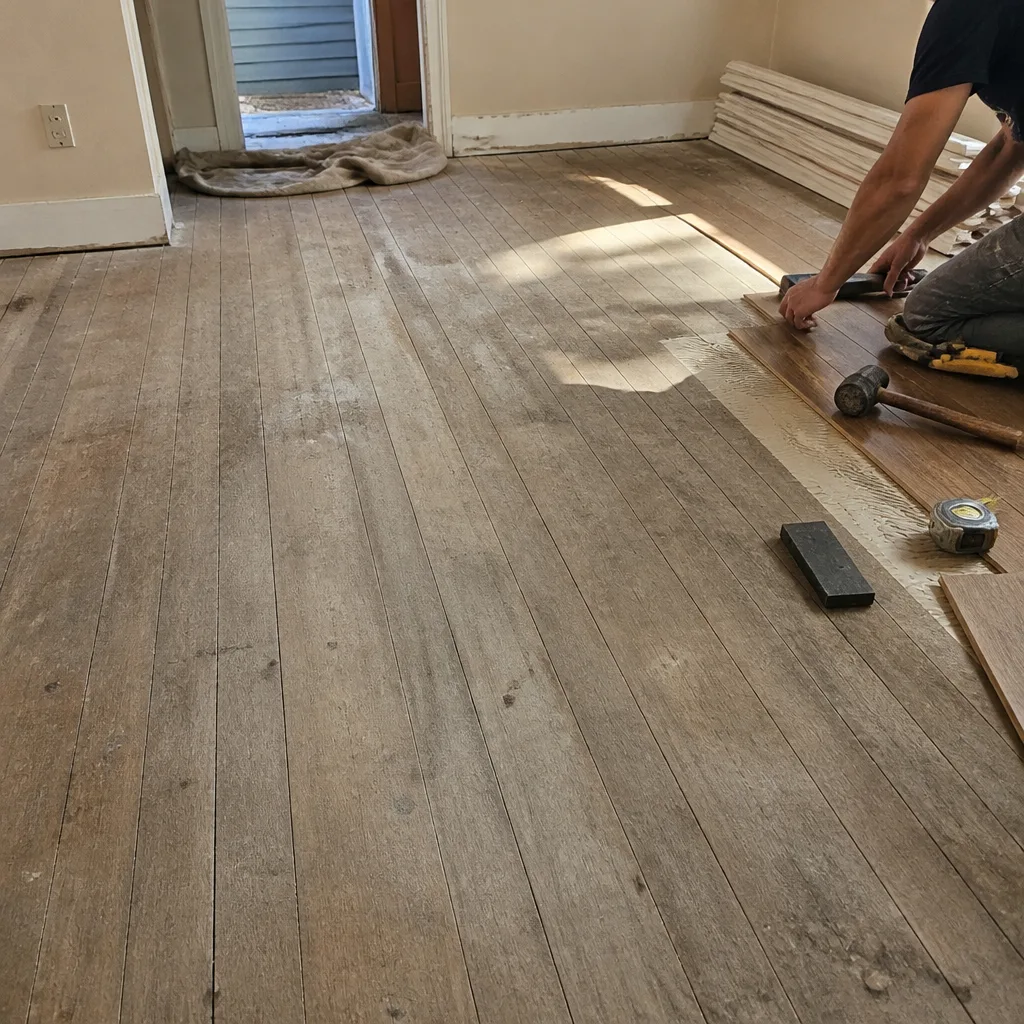 Before
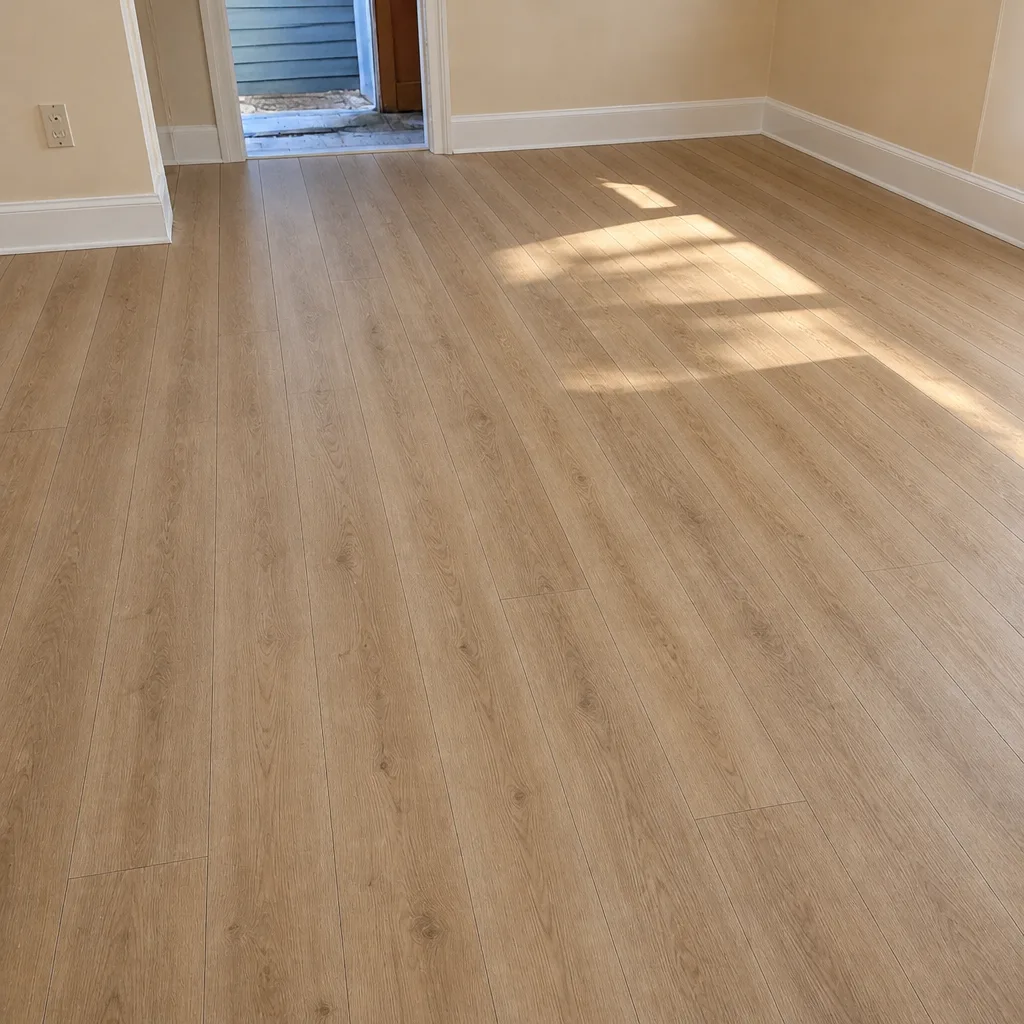 After
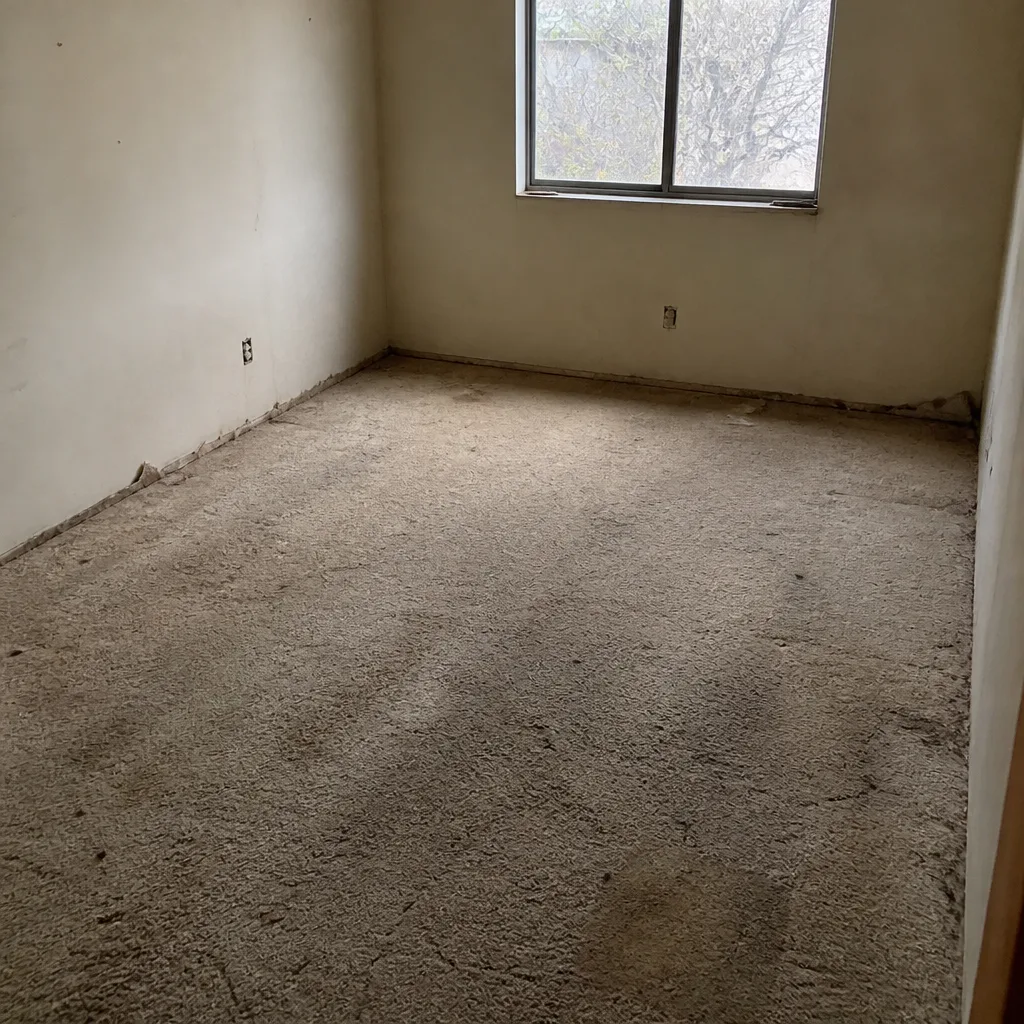 Before
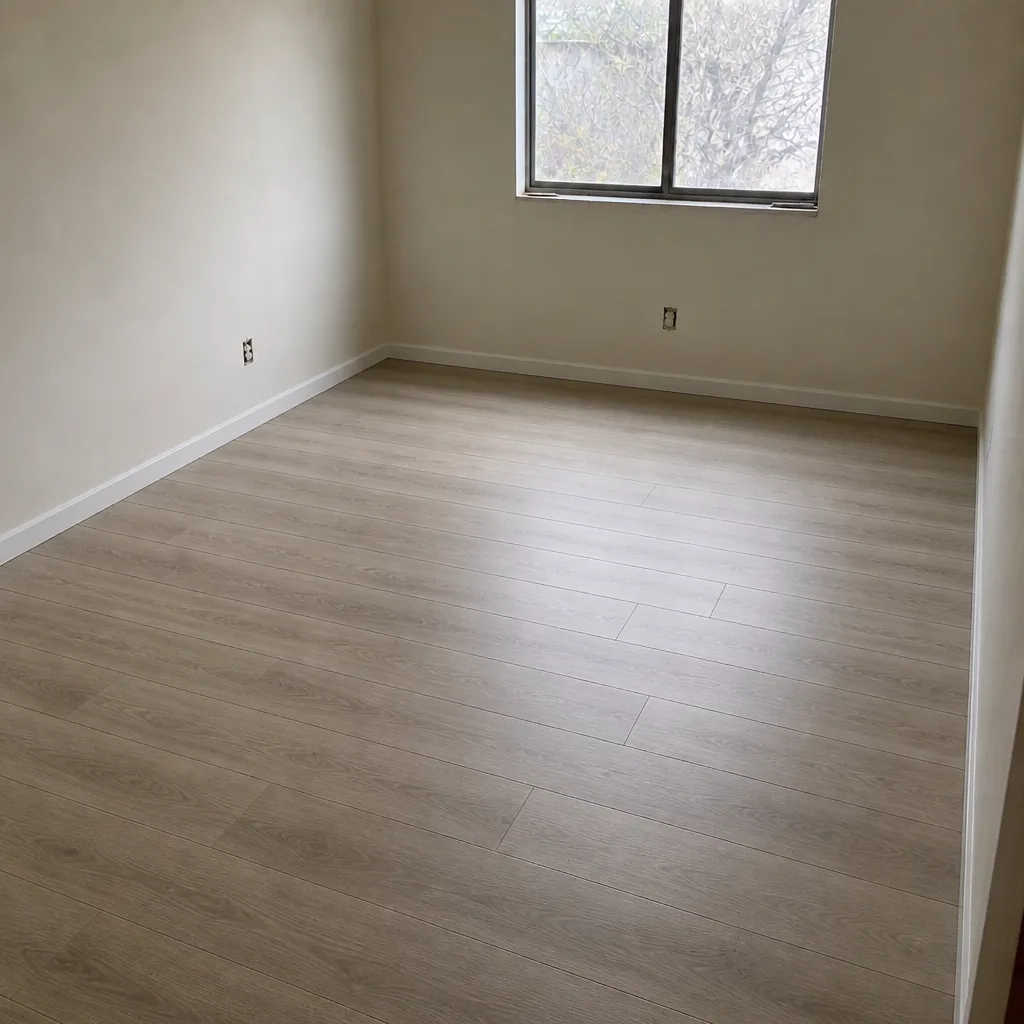 After
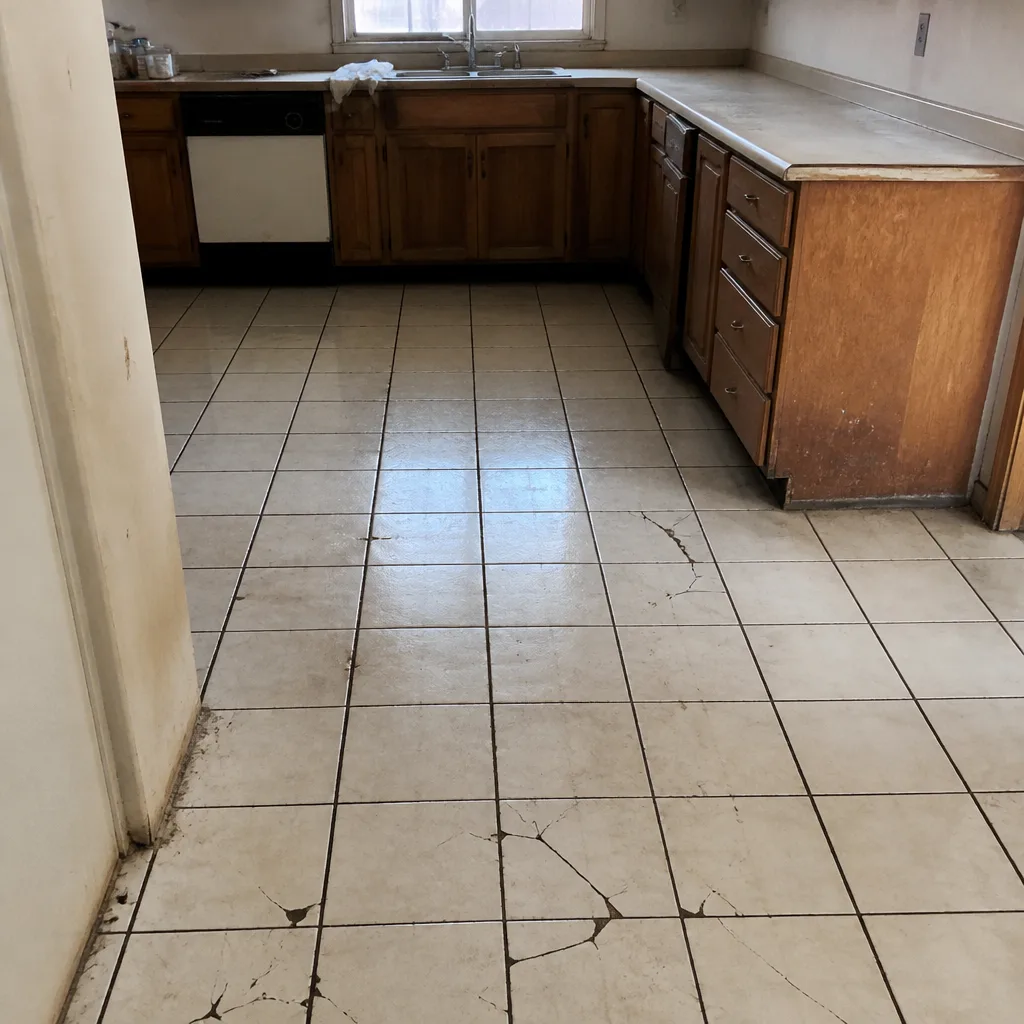 Before
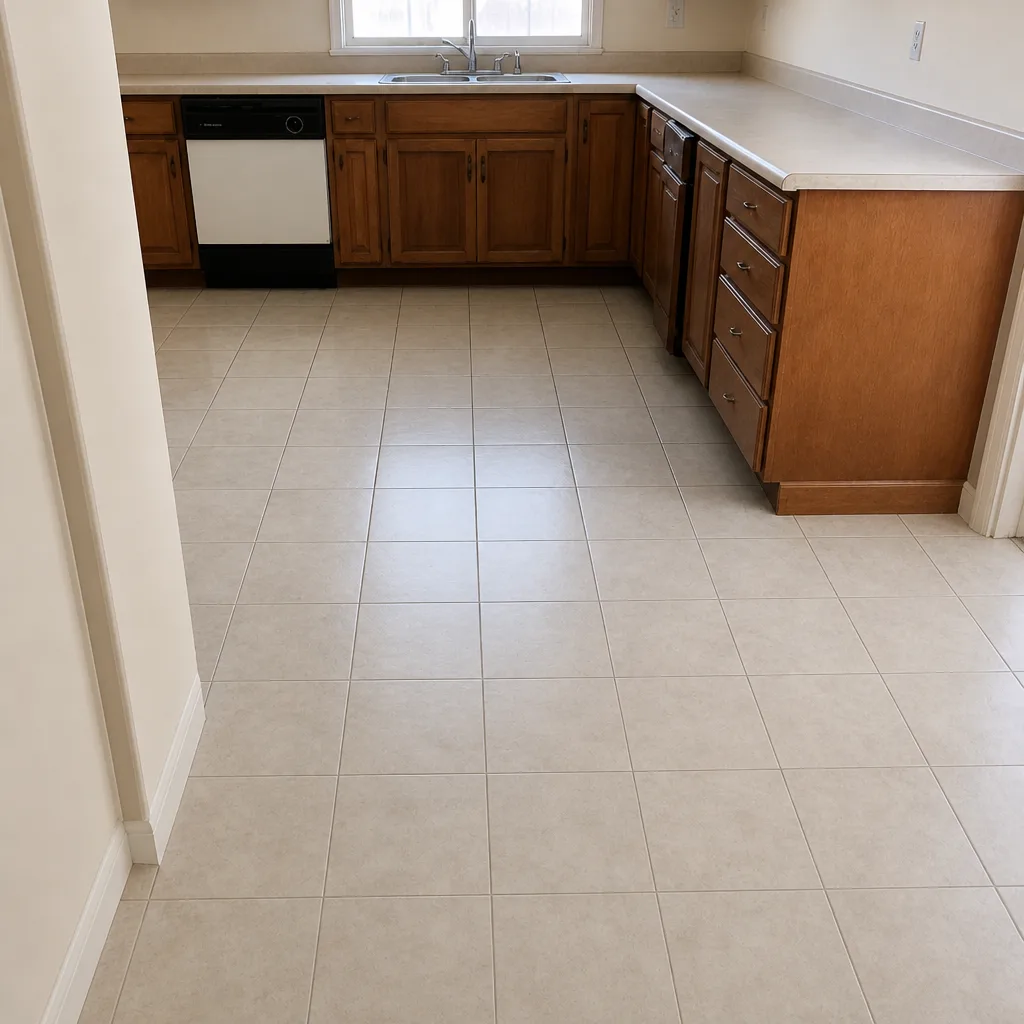 After
When to Call a Professional
A free estimate is worth booking whenever the floor affects how you use a room. If a carpet is worn through in the traffic path and you’ve started rearranging furniture to hide it, that’s the signal. If a tile is cracked and you’re worried about what’s underneath, that’s another. If a hardwood floor has lost its finish but the boards themselves are sound, refinishing is often the better path than replacing, and a professional can tell you which one is right based on the board thickness and condition. Those are the cases where a specialist beats a generalist. A single-room refresh, a whole-home renovation, or a floor that has never been properly leveled under the original install all belong with someone who does this work every day.
Paradise Flooring Installation offers free estimates in Paradise – call (844) 651-6528. We answer 24/7. Fast dispatch from 7am to 7pm, Sunday through Friday.
Frequently Asked Questions
A flooring estimate from Paradise Flooring Installation is free. There’s no fee for the visit, no charge for the measurements or the written quote, and no obligation to book the install. The written estimate sets the final price per job, so you’ll have a real number to compare before you decide. Call (844) 651-6528 to schedule yours.
Most visits take between 30 and 60 minutes, depending on how many rooms and how many questions you have. A larger home or a job with stairs and multiple rooms takes longer than a single-room refresh. The time is set by the visit itself, not rushed out the door. Call (844) 651-6528 if you want to talk through the scope before scheduling.
Clear the floor as much as you reasonably can, have a rough idea of which rooms you want to change, and note any rooms where you’ve noticed a soft spot, a crack, or a slope. Bring any samples or photos you’ve been comparing. You don’t need measurements; the estimator will take those. Call (844) 651-6528 for scheduling and any questions about preparing for the visit.
Yes, and we take readings in more than one spot. In Paradise, most homes are slab-on-grade, and slab moisture can matter even when the desert air is dry. The readings inform which product makes sense in which room and belong in the conversation before install day. Call (844) 651-6528 to set an estimate.
Yes. The estimate is written and given to you at the visit, and there’s no obligation to book. You’re free to take it home, compare it with other quotes, and decide on your own timeline. The written estimate does set the final price, so it’s the document to hold onto. Call (844) 651-6528 if you want a second visit or have questions after reading it.
Yes. We install carpet, tile, and refinish hardwood. Refinishing is a restore-don’t-replace option that preserves the original character of a wood floor, and whether a specific floor can be refinished depends on the board thickness and its condition. The estimate visit is where we check that and tell you honestly which path makes sense. Call (844) 651-6528 to book the visit.
The Bottom Line
The free in-home estimate is the single most useful step in your flooring project. It’s the one point where nobody has spent a dollar, every question is still on the table, and the price is still adjustable. A thorough estimate includes a physical subfloor check in more than one spot, moisture readings, doorway and trim measurements, and a written scope with the prep and transition lines visible. A thin one is just square footage and a per-foot number. Compare the scope, not the number. If you’re in Paradise and want the version of that visit that includes all of it, call Paradise Flooring Installation at (844) 651-6528. We answer 24/7. Fast dispatch from 7am to 7pm, Sunday through Friday. Estimates are free, and the written price is the price.
Written by the team at Paradise Flooring Installation.